The Future of Work: How the Digital Economy is Reshaping America's Economy
The digital economy is rapidly transforming the American workforce, creating new opportunities and challenges for workers, businesses, and policymakers. As technology continues to advance, industries are evolving at an unprecedented pace, reshaping traditional job roles and introducing entirely new sectors. This shift is not just about automation or artificial intelligence; it's a fundamental redefinition of how work is structured, performed, and valued in the 21st century. The future of work is no longer a distant concept—it's already here, and its impact is being felt across every corner of the United States.
The Rise of Remote Work and Flexible Employment
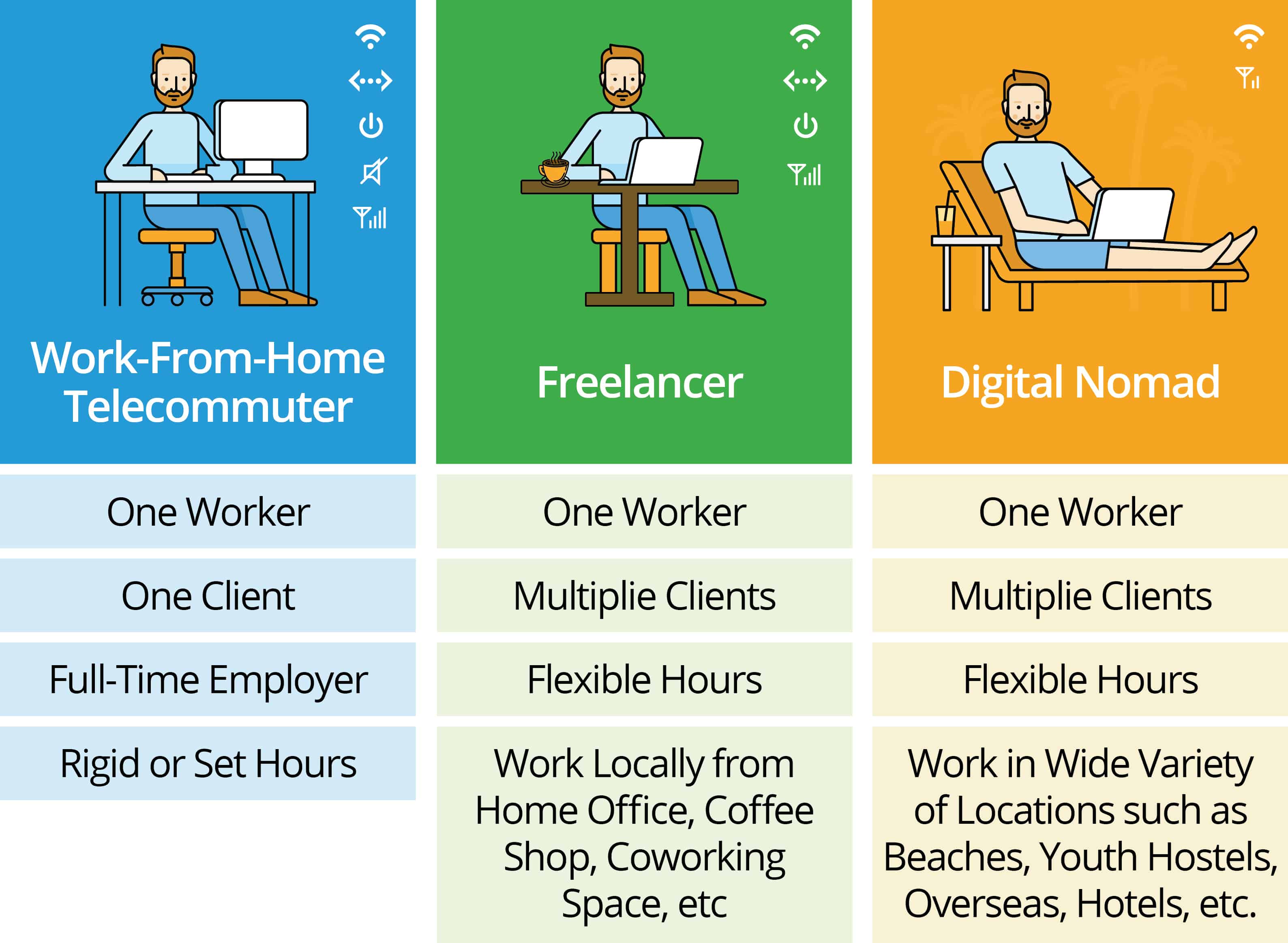
One of the most visible changes in the modern workplace is the widespread adoption of remote work. The global pandemic accelerated this trend, but its roots go back to the early days of the internet and the rise of digital communication tools. Today, companies across various industries are embracing hybrid and fully remote models, allowing employees to work from anywhere. This shift has led to a more flexible labor market, where location is no longer a barrier to employment. However, it also raises questions about job security, benefits, and the long-term sustainability of remote work for both employers and employees.
This transformation has had a significant impact on urban centers, where many office-based jobs have been replaced by remote positions. Cities like New York, San Francisco, and Chicago have seen a decline in demand for commercial real estate, while smaller towns and rural areas have experienced a surge in remote workers seeking lower living costs and better quality of life. This decentralization of the workforce is reshaping economic patterns and could lead to a more balanced distribution of jobs and resources across the country.
The Growth of Gig and Freelance Work
Another key development in the digital economy is the growth of gig and freelance work. Platforms such as Uber, Fiverr, and Upwork have made it easier for individuals to offer their skills and services on a project-by-project basis. This model provides greater autonomy for workers but also comes with challenges, including inconsistent income, lack of benefits, and limited legal protections. The gig economy has become a double-edged sword, offering flexibility but also raising concerns about worker exploitation and the erosion of traditional employment structures.
For many Americans, especially those in high-cost urban areas, gig work has become a viable alternative to traditional full-time jobs. However, the lack of stability and long-term career progression remains a major concern. Policymakers are now grappling with how to regulate this sector, ensuring that workers receive fair compensation and access to essential benefits such as healthcare and retirement plans.
The Role of Technology in Shaping New Industries
Technology is not only changing how people work but also creating entirely new industries. The rise of artificial intelligence, blockchain, and renewable energy technologies is driving innovation across multiple sectors. For example, the clean energy transition is generating thousands of jobs in solar and wind power, while the expansion of 5G networks is enabling new applications in healthcare, transportation, and entertainment. These emerging fields require a different set of skills, prompting a need for continuous learning and upskilling among the workforce.
Moreover, the increasing reliance on data and analytics is transforming traditional industries. Companies in manufacturing, agriculture, and even the arts are leveraging digital tools to improve efficiency, reduce costs, and enhance customer experiences. This shift underscores the importance of digital literacy and technical proficiency in today’s job market. Workers who can adapt to these changes will be better positioned to thrive in the evolving economy.
Challenges and Opportunities for Education and Training
As the digital economy continues to expand, the need for education and training programs that align with current and future job demands becomes more critical. Traditional four-year college degrees may no longer be the only path to success, as vocational training, online courses, and apprenticeships are gaining traction. Community colleges, coding bootcamps, and corporate-sponsored training programs are playing a vital role in equipping workers with the skills needed for the jobs of tomorrow.
However, access to these resources is not equal across all demographics. Low-income communities and rural areas often face barriers to education and training, exacerbating existing inequalities. Addressing these disparities requires coordinated efforts between government agencies, educational institutions, and private sector leaders to ensure that all Americans have the opportunity to participate in the digital economy.
The Impact on Small Businesses and Entrepreneurs
Small businesses and entrepreneurs are also feeling the effects of the digital economy. On one hand, digital tools and platforms have lowered the barriers to entry, making it easier for startups to reach customers and scale their operations. E-commerce, social media marketing, and cloud computing have empowered small businesses to compete with larger corporations on a more level playing field.
On the other hand, the rapid pace of technological change can be overwhelming for small business owners who may lack the resources to keep up. Cybersecurity threats, supply chain disruptions, and the need for constant innovation pose significant challenges. To remain competitive, small businesses must invest in digital infrastructure and adopt agile strategies that allow them to respond quickly to market changes.
Conclusion
The future of work in America is being shaped by the digital economy, which is redefining how people earn a living, what skills are valued, and how industries operate. While this transformation brings exciting opportunities, it also presents complex challenges that require thoughtful solutions. From remote work and gig economy trends to the rise of new industries and the need for education reform, the landscape of employment is constantly evolving. As the U.S. navigates this new era, the ability to adapt, learn, and innovate will be key to ensuring that all Americans can benefit from the opportunities of the digital age.


Comments
Post a Comment