Revolutionizing Industries: The Power of Blockchain Innovation in the United States
Revolutionizing industries across the United States, blockchain technology has emerged as a transformative force that is redefining traditional business models and operational frameworks. At its core, blockchain is a decentralized digital ledger that records transactions across a network of computers, ensuring transparency, security, and immutability. This innovation is not just a technological advancement but a paradigm shift that is empowering businesses, governments, and consumers alike. From finance to supply chain management, the applications of blockchain are vast and varied, offering solutions to long-standing challenges such as fraud, inefficiency, and lack of trust.
The Financial Sector: A New Era of Trust and Transparency
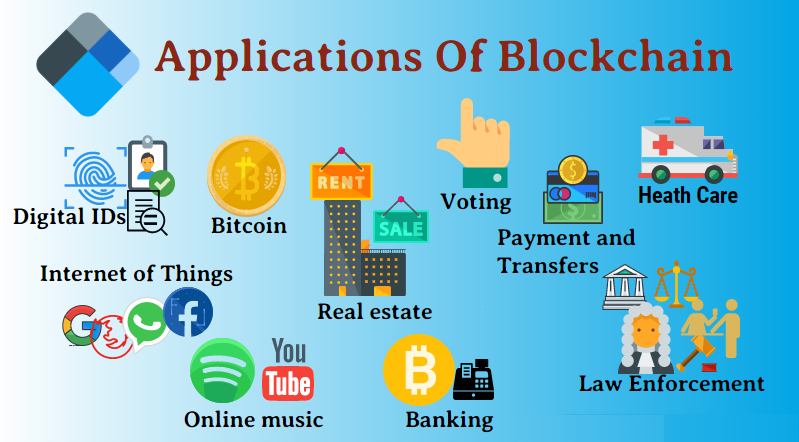
One of the most prominent areas where blockchain is making waves is in the financial sector. Traditional banking systems have long been criticized for their opacity and inefficiencies, particularly when it comes to cross-border transactions. Blockchain technology addresses these issues by enabling real-time, secure, and transparent transactions without the need for intermediaries. This has led to the rise of cryptocurrencies like Bitcoin and Ethereum, which operate on blockchain networks and offer an alternative to conventional fiat currencies. In the United States, financial institutions are increasingly exploring blockchain-based solutions to streamline operations, reduce costs, and enhance customer experiences. For example, JPMorgan Chase has developed its own blockchain platform, JPM Coin, to facilitate instant payments between institutional clients. Such innovations are paving the way for a more inclusive and efficient financial ecosystem.
Supply Chain Management: Enhancing Efficiency and Accountability
Another industry that stands to benefit significantly from blockchain innovation is supply chain management. The complexity and opacity of global supply chains have made it difficult for companies to track products from production to delivery. Blockchain provides a solution by creating a tamper-proof record of each transaction and movement within the supply chain. This level of transparency allows businesses to verify the authenticity of products, ensure ethical sourcing, and combat counterfeiting. In the United States, companies like IBM and Walmart have partnered to implement blockchain-based systems that monitor the journey of food products from farm to table. By leveraging blockchain, these companies can quickly trace the origin of contaminated products, reducing the risk of foodborne illnesses and improving consumer trust.
Healthcare: Securing Patient Data and Improving Care
The healthcare industry is also witnessing a transformation through blockchain technology. Electronic health records (EHRs) are often fragmented and siloed, leading to inefficiencies and potential errors in patient care. Blockchain offers a secure and interoperable solution by allowing patients to control their medical data while ensuring that authorized healthcare providers can access it when needed. This not only enhances data security but also improves the accuracy of diagnoses and treatment plans. In the United States, startups like Hashed Health are developing blockchain-based platforms that enable seamless data sharing among healthcare providers, ultimately leading to better patient outcomes.
Real Estate: Streamlining Transactions and Reducing Fraud
Real estate transactions are notoriously slow and complex, involving multiple parties and extensive paperwork. Blockchain technology has the potential to revolutionize this industry by providing a secure and transparent platform for property transactions. Smart contracts, which are self-executing agreements with the terms of the contract directly written into code, can automate various aspects of real estate deals, such as escrow services and title transfers. This reduces the need for intermediaries, lowers costs, and minimizes the risk of fraud. In the United States, states like Arizona and Nevada have already begun experimenting with blockchain-based land registries, demonstrating the potential of this technology to streamline real estate processes.
Challenges and Future Prospects
Despite its numerous benefits, the adoption of blockchain technology in the United States is not without challenges. Regulatory uncertainty, technical complexities, and resistance to change are some of the hurdles that businesses must navigate. However, as more organizations recognize the value of blockchain, the landscape is gradually evolving. Governments and industry leaders are working together to establish clear guidelines and standards that promote innovation while ensuring consumer protection. With continued investment and collaboration, blockchain has the potential to become a cornerstone of the U.S. economy, driving efficiency, transparency, and trust across various sectors.
Conclusion
Blockchain innovation is reshaping industries in the United States, offering solutions that address longstanding challenges and unlock new opportunities. From finance to healthcare, supply chain management to real estate, the impact of blockchain is far-reaching and profound. As the technology continues to mature, its role in driving economic growth and fostering trust will only become more significant. The future of blockchain in the United States looks promising, and its potential to revolutionize industries is just beginning to be realized.


Comments
Post a Comment