Real Life Examples of Artificial Intelligence Transforming Today's World
Real Life Examples of Artificial Intelligence Transforming Today's World are becoming increasingly evident as the technology continues to evolve and integrate into various aspects of daily life. From healthcare to transportation, AI is not just a futuristic concept but a present-day reality that is reshaping industries and improving efficiency. One of the most notable areas where AI has made a significant impact is in the medical field. Hospitals and clinics are using AI-powered tools to diagnose diseases more accurately and quickly than ever before. For instance, AI algorithms can analyze medical images such as X-rays and MRIs to detect abnormalities that might be missed by human eyes. This not only speeds up the diagnostic process but also reduces the risk of errors, leading to better patient outcomes. 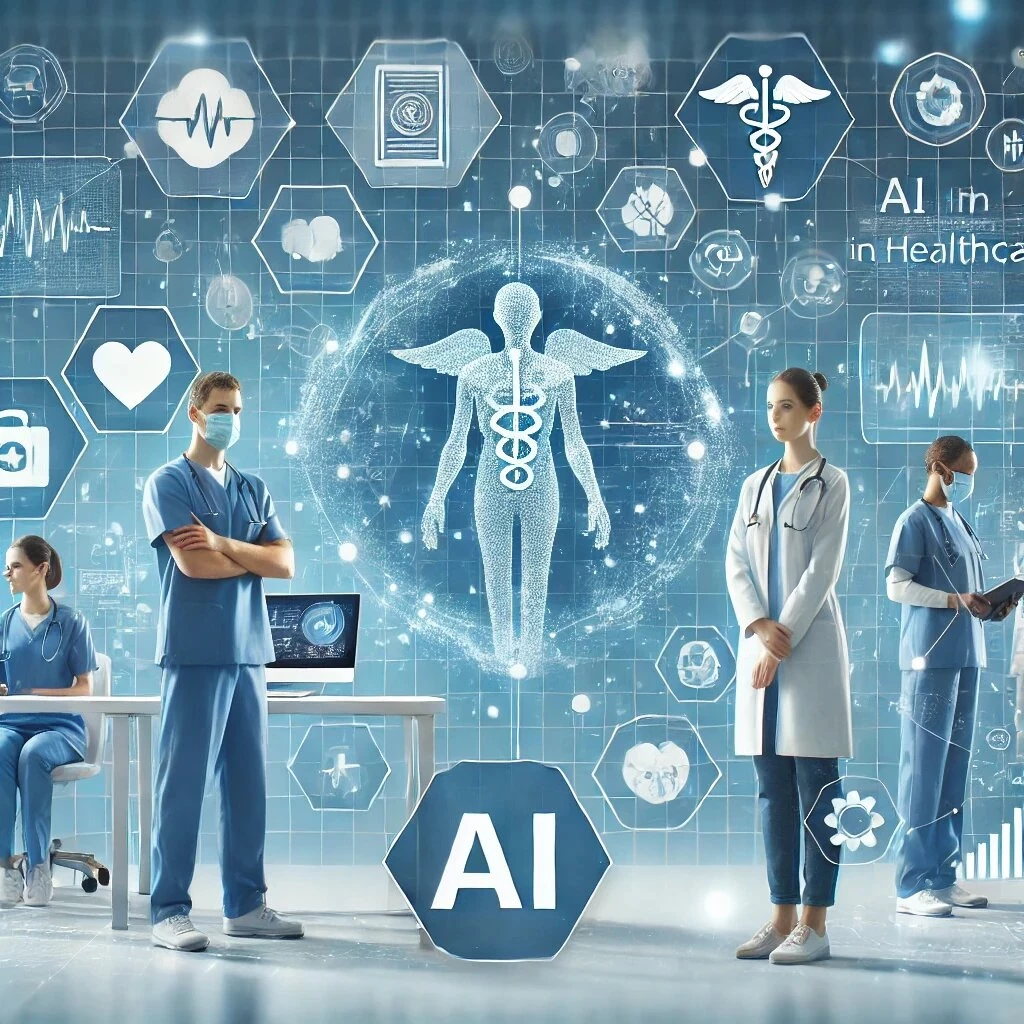
Another area where AI is making waves is in the realm of autonomous vehicles. Companies like Tesla, Waymo, and Uber are investing heavily in self-driving car technology, which relies on AI to navigate roads, avoid obstacles, and make real-time decisions. These vehicles use a combination of sensors, cameras, and machine learning algorithms to interpret their surroundings and respond accordingly. While fully autonomous cars are still in the testing phase, the progress made so far is impressive. The potential benefits include reduced traffic accidents caused by human error, increased mobility for people who cannot drive, and more efficient use of road infrastructure.
In the retail industry, AI is revolutionizing the way businesses interact with customers. Online retailers are using AI-driven recommendation systems to personalize shopping experiences. By analyzing customer data, these systems can suggest products that are likely to interest individual shoppers, thereby increasing sales and customer satisfaction. Additionally, AI-powered chatbots are being used to provide 24/7 customer support, answering queries and resolving issues without the need for human intervention. This not only improves customer service but also reduces operational costs for businesses.
The financial sector is another domain where AI is having a profound impact. Banks and financial institutions are leveraging AI to detect fraudulent transactions, assess credit risks, and automate customer service. Machine learning models can analyze vast amounts of transaction data to identify patterns that may indicate fraudulent activity. This helps in preventing losses and protecting customers' financial information. Moreover, AI is being used to create personalized financial advice for individuals, helping them make informed decisions about investments and savings.
In education, AI is transforming the way students learn and teachers teach. Adaptive learning platforms use AI to tailor educational content to the specific needs of each student. These platforms can identify areas where a student is struggling and provide additional resources or practice problems to help them improve. Additionally, AI is being used to grade assignments and provide instant feedback, allowing teachers to focus more on teaching and less on administrative tasks.
The agricultural sector is also benefiting from AI advancements. Farmers are using AI-powered tools to monitor crop health, predict weather patterns, and optimize irrigation systems. Drones equipped with AI can survey large fields and collect data on soil conditions and plant growth, enabling farmers to make data-driven decisions. This not only increases crop yields but also reduces the use of water and fertilizers, promoting sustainable farming practices.
In the entertainment industry, AI is enhancing the user experience. Streaming services like Netflix and Spotify use AI algorithms to recommend movies, TV shows, and music based on users' preferences. These recommendations are generated by analyzing viewing and listening habits, ensuring that users discover content that aligns with their interests. Furthermore, AI is being used to create virtual influencers and generate content, such as scripts and music, which can be tailored to specific audiences.
While the benefits of AI are numerous, there are also challenges and ethical considerations that need to be addressed. Issues such as job displacement, privacy concerns, and algorithmic bias must be carefully managed to ensure that AI is used responsibly. Governments and organizations are working to establish regulations and guidelines to govern the development and deployment of AI technologies.
As AI continues to advance, its applications will only become more widespread. The key to harnessing its full potential lies in collaboration between technologists, policymakers, and society at large. By addressing the challenges and embracing the opportunities, we can ensure that AI serves as a force for good, driving innovation and improving lives across the globe.


Comments
Post a Comment