Protect Your Business: Essential Cybersecurity Tips for 2025 in the United States
Protecting your business from cyber threats is more critical than ever, especially as technology continues to evolve and the digital landscape becomes increasingly complex. In 2025, businesses in the United States must be proactive in their approach to cybersecurity to safeguard sensitive data, maintain customer trust, and avoid costly breaches. With cyberattacks becoming more sophisticated, it's essential for business owners and IT professionals to implement robust security measures. This article outlines key strategies that can help protect your business in the coming year.
Implement Strong Password Policies
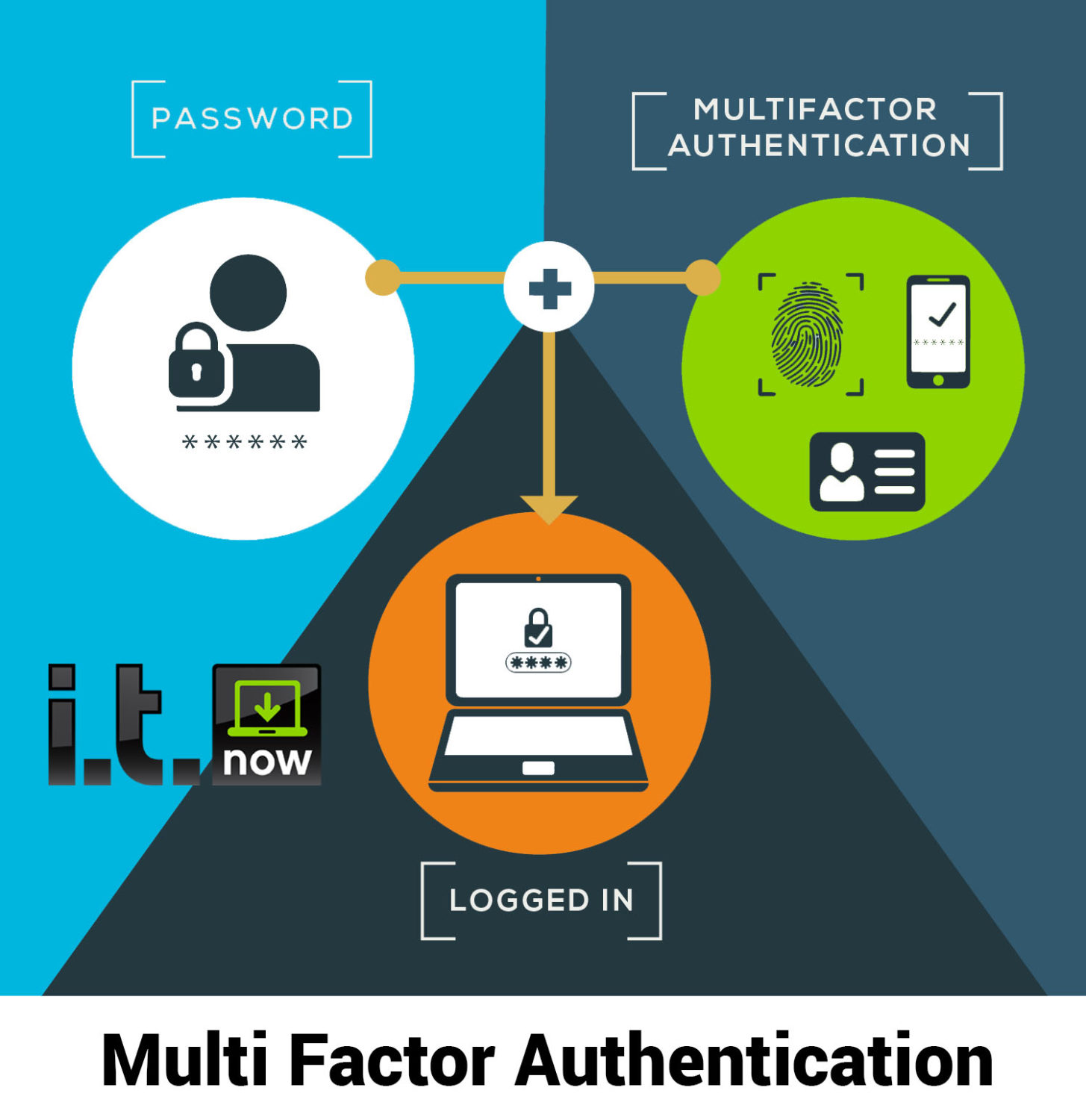
One of the simplest yet most effective ways to enhance cybersecurity is by enforcing strong password policies. Employees should be required to use complex passwords that include a mix of uppercase and lowercase letters, numbers, and special characters. Additionally, multi-factor authentication (MFA) should be mandatory for all accounts, particularly those with access to sensitive information. MFA adds an extra layer of security by requiring users to provide two or more verification factors before gaining access. This significantly reduces the risk of unauthorized access, even if a password is compromised.
Regularly Update Software and Systems
Keeping all software, operating systems, and applications up to date is crucial for maintaining a secure environment. Cybercriminals often exploit known vulnerabilities in outdated systems, making it easy for them to gain access. By regularly applying updates and patches, businesses can close these security gaps and reduce the risk of attacks. It's also important to ensure that all devices connected to the network, including smartphones and tablets, are updated with the latest security fixes. Automating updates can help streamline this process and ensure nothing is overlooked.
Educate Employees on Cybersecurity Best Practices
Human error remains one of the leading causes of data breaches. Employees may inadvertently click on phishing links, download malicious attachments, or fall victim to social engineering scams. To mitigate these risks, businesses should invest in regular cybersecurity training programs. These programs should cover topics such as identifying suspicious emails, recognizing phishing attempts, and understanding the importance of data protection. Creating a culture of awareness can go a long way in preventing cyber incidents.
Use Encryption for Sensitive Data
Encrypting sensitive data both at rest and in transit is another essential cybersecurity measure. Encryption converts data into a coded format that can only be accessed with a decryption key, making it useless to unauthorized individuals. Businesses should encrypt all confidential information, including customer data, financial records, and internal communications. This is particularly important when transmitting data over the internet or storing it in the cloud. Many encryption tools are available that are easy to implement and can provide strong protection without disrupting daily operations.
Back Up Critical Data Frequently
Data loss due to cyberattacks, hardware failures, or natural disasters can be devastating for a business. To minimize the impact of such events, it's crucial to back up critical data regularly. A comprehensive backup strategy should include both on-site and off-site backups, with data stored in secure locations. Cloud-based backups are an excellent option, as they offer scalability and accessibility. It's also important to test backups periodically to ensure they can be restored quickly in case of an emergency.
Monitor Network Activity for Suspicious Behavior
Continuous monitoring of network activity can help detect and respond to potential threats in real time. Businesses should implement intrusion detection systems (IDS) and security information and event management (SIEM) solutions to track unusual behavior. These tools can alert administrators to suspicious activity, such as unauthorized access attempts or large data transfers. By staying vigilant, businesses can identify and neutralize threats before they cause significant damage.
Partner with Trusted Cybersecurity Providers
For businesses that lack in-house expertise, partnering with trusted cybersecurity providers can offer valuable support. These companies can help assess vulnerabilities, implement security solutions, and provide ongoing monitoring and response services. When selecting a provider, it's important to choose one with a proven track record and experience in the industry. This ensures that your business receives reliable and effective protection against evolving cyber threats.
Develop a Comprehensive Incident Response Plan
Despite best efforts, no system is completely immune to cyberattacks. Having a well-defined incident response plan is essential for minimizing the impact of a breach. The plan should outline steps to take in the event of an attack, including isolating affected systems, notifying stakeholders, and working with law enforcement and cybersecurity experts. Regularly testing and updating the plan ensures that it remains effective and that all team members understand their roles during an incident.
By implementing these essential cybersecurity tips, businesses in the United States can better protect themselves against the growing threat of cybercrime. As we move into 2025, staying ahead of potential risks will be key to ensuring the continued success and security of any organization.


Comments
Post a Comment