How the Internet of Things is Transforming Everyday Life in the United States
The Internet of Things (IoT) has rapidly evolved from a futuristic concept into an integral part of daily life in the United States. By connecting everyday devices to the internet, IoT is reshaping how people interact with their environment, manage their homes, and even approach healthcare. This transformation is not just about convenience; it's about creating smarter, more efficient systems that enhance quality of life across various sectors. From smart thermostats that adjust temperature based on user behavior to wearable health monitors that track vital signs in real-time, the impact of IoT is both profound and far-reaching. 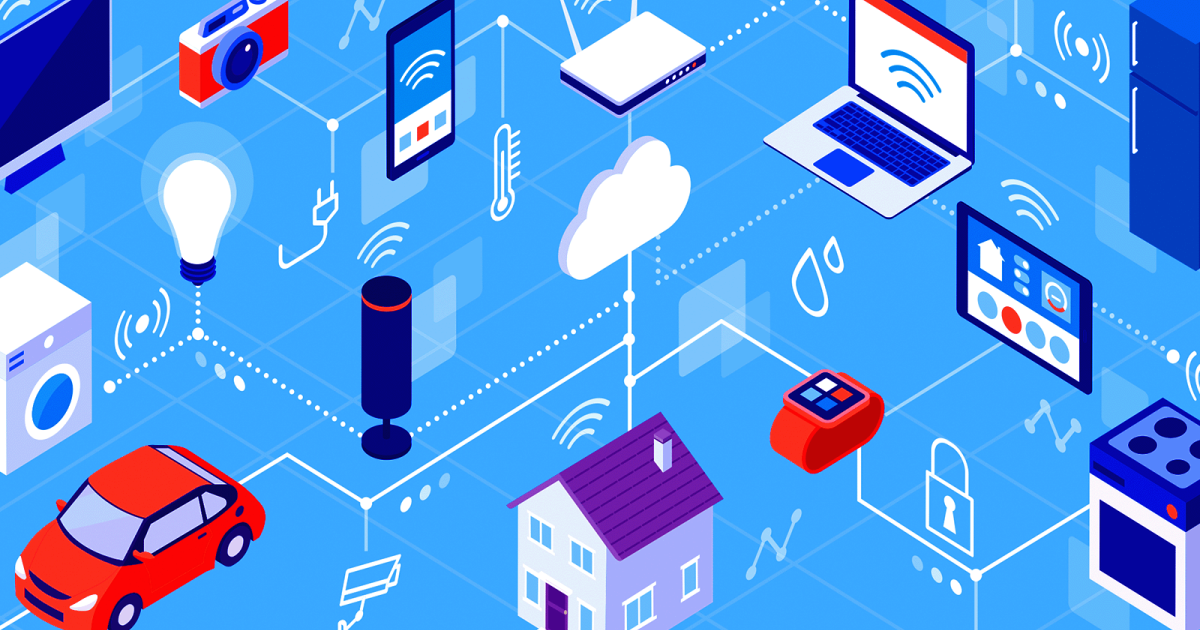
The Rise of Smart Homes
One of the most visible manifestations of IoT in the U.S. is the rise of smart homes. Devices such as smart locks, security cameras, and voice-activated assistants have become common in households, offering enhanced security, energy efficiency, and ease of use. For instance, homeowners can now monitor their property remotely through smartphone apps, receive alerts when unusual activity is detected, or even control lighting and climate settings from anywhere in the world. These innovations not only provide peace of mind but also contribute to significant energy savings by optimizing usage patterns.
Smart home technology is also driving new trends in home automation. Companies like Google, Amazon, and Apple have developed ecosystems that allow seamless integration between different devices, making it easier for users to manage their digital lives. This interconnectedness extends beyond individual homes, influencing broader urban planning and infrastructure development. Cities are beginning to implement IoT-based solutions for traffic management, waste disposal, and public safety, creating more sustainable and livable environments.
Enhancing Healthcare Through Connected Devices
The healthcare sector has also experienced a major shift due to IoT. Wearable devices such as fitness trackers and smartwatches are now widely used to monitor physical activity, heart rate, and sleep patterns. These tools empower individuals to take a proactive role in their health by providing real-time data and personalized insights. Additionally, IoT-enabled medical devices, such as glucose monitors and pacemakers, are revolutionizing patient care by allowing doctors to remotely track and adjust treatments based on continuous data streams.
Telemedicine is another area where IoT is making a significant impact. With the help of connected devices, patients can consult with healthcare professionals from the comfort of their homes, reducing the need for in-person visits and improving access to care, especially in rural areas. This shift is particularly important in the context of the ongoing global health challenges, as it enables faster and more efficient delivery of medical services.
Improving Transportation and Mobility
Transportation is another domain where IoT is transforming the way Americans move. Connected vehicles equipped with sensors and communication systems are becoming increasingly common, offering features such as real-time traffic updates, automatic emergency braking, and adaptive cruise control. These technologies not only enhance driver safety but also contribute to smoother traffic flow and reduced congestion.
Moreover, IoT is playing a crucial role in the development of autonomous vehicles. Companies like Tesla, Waymo, and traditional automakers are investing heavily in self-driving technology, which relies on a network of sensors, cameras, and machine learning algorithms to navigate roads safely. As this technology matures, it has the potential to significantly reduce accidents caused by human error and make transportation more accessible for people with disabilities or limited mobility.
Challenges and Considerations
While the benefits of IoT are undeniable, there are also challenges that must be addressed. Privacy and security concerns remain a top priority, as the vast amount of data collected by connected devices can be vulnerable to cyberattacks. Consumers must be educated on best practices for securing their devices and understanding the terms of service associated with IoT products.
Additionally, the rapid adoption of IoT raises questions about digital equity. Not all communities have equal access to high-speed internet or the latest technology, which could exacerbate existing disparities. Policymakers and industry leaders must work together to ensure that the benefits of IoT are distributed fairly across different socioeconomic groups.
The Future of IoT in the United States
Looking ahead, the future of IoT in the U.S. appears promising. As technology continues to advance, we can expect even more innovative applications that will further integrate IoT into daily life. From smart cities that optimize resource use to agricultural systems that improve food production, the possibilities are endless. However, achieving these goals will require collaboration between governments, businesses, and consumers to address the challenges and maximize the potential of IoT.
In conclusion, the Internet of Things is undeniably transforming everyday life in the United States. Whether through smart homes, healthcare advancements, or improved transportation, IoT is making the world more connected, efficient, and responsive. As this technology continues to evolve, its impact will only grow, shaping the way Americans live, work, and interact with their surroundings.


Comments
Post a Comment