How Blockchain Technology is Revolutionizing Industries in the United States
Blockchain technology is rapidly transforming various industries across the United States, offering unprecedented levels of security, transparency, and efficiency. Originally developed as the underlying technology for Bitcoin, blockchain has since evolved into a versatile tool that is being adopted by businesses, governments, and financial institutions to streamline operations and reduce fraud. Its decentralized nature allows for secure data sharing without the need for intermediaries, making it an attractive solution for sectors such as finance, healthcare, supply chain management, and more. As this technology continues to mature, its impact on the U.S. economy is becoming increasingly evident, with new applications emerging every day.
The Financial Sector: A New Era of Trust and Transparency
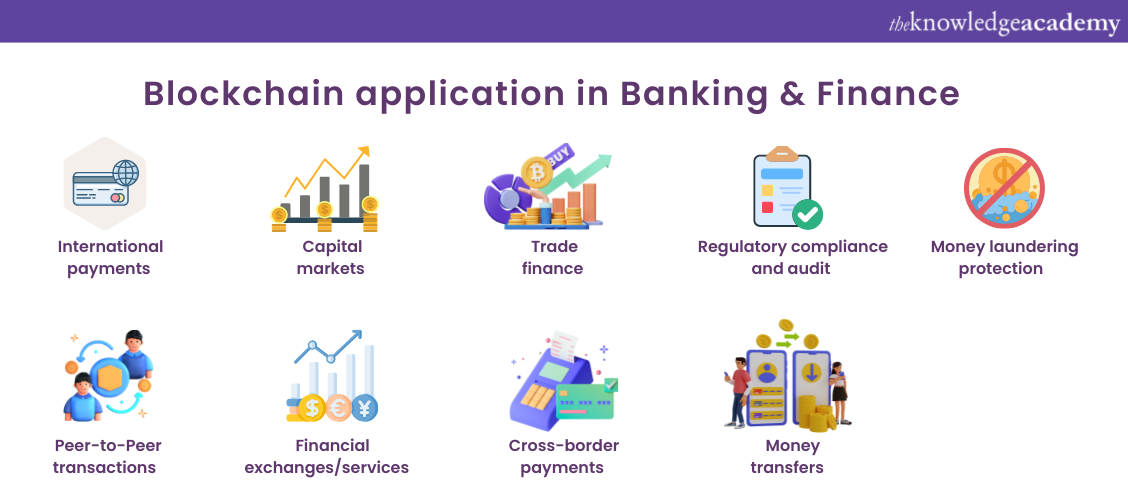
The financial industry has been one of the most significant adopters of blockchain technology, particularly in the realm of digital currencies and smart contracts. Cryptocurrencies like Bitcoin and Ethereum have disrupted traditional banking systems by enabling peer-to-peer transactions without the need for a central authority. This has not only reduced transaction costs but also increased the speed at which money can be transferred across borders. Additionally, blockchain's immutable ledger system ensures that all transactions are recorded securely and cannot be altered, reducing the risk of fraud and enhancing trust among users. Banks and financial institutions are now exploring blockchain-based solutions for everything from cross-border payments to asset tokenization, signaling a shift toward more efficient and transparent financial systems.
Supply Chain Management: Enhancing Traceability and Efficiency
Another area where blockchain is making a significant impact is supply chain management. In the United States, companies are leveraging blockchain to track the movement of goods from production to delivery, ensuring greater transparency and accountability. By creating a tamper-proof record of each step in the supply chain, businesses can quickly identify and resolve issues such as delays, counterfeit products, or quality control problems. For example, Walmart has implemented a blockchain-based system to track the origin of food products, allowing them to trace the source of contaminated items within seconds instead of days. This level of visibility not only improves operational efficiency but also enhances consumer confidence in the products they purchase.
Healthcare: Secure Data Sharing and Patient Privacy
In the healthcare sector, blockchain technology is being used to address long-standing challenges related to data security and interoperability. Electronic health records (EHRs) are often fragmented across different providers, making it difficult for patients to access their complete medical history. Blockchain offers a solution by creating a decentralized and secure platform for storing and sharing patient data. Patients can control who has access to their information, ensuring privacy while still allowing authorized healthcare professionals to retrieve critical details when needed. This approach not only streamlines care coordination but also reduces the risk of data breaches, which have become a growing concern in the healthcare industry.
Real Estate: Streamlining Transactions and Reducing Fraud
The real estate market in the United States is another sector benefiting from blockchain technology. Traditional property transactions involve multiple intermediaries, including brokers, lawyers, and title companies, which can lead to delays and increased costs. Blockchain-based platforms are now enabling faster and more secure property transfers by automating processes such as title verification and escrow services. Smart contracts, which are self-executing agreements with the terms of the contract directly written into code, can automatically facilitate transactions once certain conditions are met. This not only reduces the need for manual intervention but also minimizes the risk of fraud, making real estate transactions more efficient and trustworthy.
Challenges and Future Outlook
Despite its many benefits, the widespread adoption of blockchain technology in the United States is not without challenges. One of the primary concerns is regulatory uncertainty, as lawmakers struggle to keep pace with the rapid evolution of this technology. Additionally, the energy consumption associated with some blockchain networks, particularly those using proof-of-work consensus mechanisms, has raised environmental concerns. However, ongoing innovations such as the transition to proof-of-stake models and the development of more energy-efficient blockchains are addressing these issues. As the technology matures and becomes more scalable, its potential to revolutionize industries will only continue to grow.
Conclusion: A Transformative Force for the Future
Blockchain technology is undeniably reshaping industries across the United States, offering innovative solutions to long-standing problems. From finance and supply chain management to healthcare and real estate, its impact is being felt in both established and emerging sectors. While challenges remain, the continued development and adoption of blockchain are paving the way for a more secure, transparent, and efficient future. As businesses and governments embrace this technology, the U.S. is well-positioned to lead the global transformation driven by blockchain innovation.


Comments
Post a Comment