Cloud Storage vs Local Storage Comparison: Which is Right for Your Business?
Cloud storage and local storage are two fundamental approaches to managing data in modern businesses. As technology continues to evolve, the decision between these options becomes increasingly critical for organizations seeking efficiency, security, and scalability. While cloud storage offers remote access and flexibility, local storage provides control and potentially faster performance. Understanding the differences between these two methods can help businesses make informed choices that align with their specific needs.
The Basics of Cloud Storage
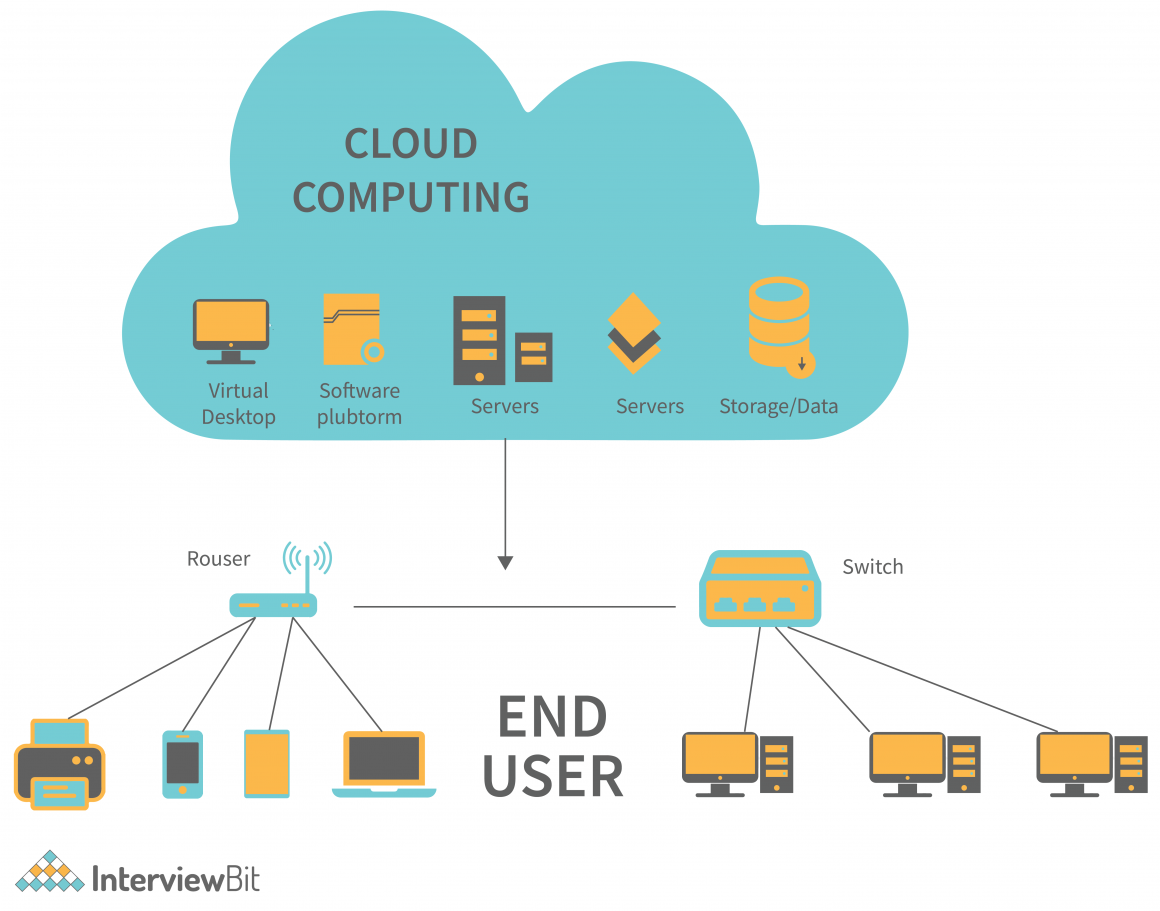
Cloud storage refers to the practice of storing digital data on remote servers managed by third-party providers. These servers are accessible via the internet, allowing users to upload, retrieve, and manage files from any location with an internet connection. Major cloud storage providers include services like Google Drive, Dropbox, and Microsoft OneDrive, which offer varying levels of storage capacity, security features, and integration with other tools. One of the primary advantages of cloud storage is its ability to support collaboration across teams, as multiple users can access and edit files simultaneously. This makes it particularly appealing for businesses that operate in a distributed or remote environment.
The Advantages of Cloud Storage
The benefits of cloud storage extend beyond mere accessibility. For instance, businesses can scale their storage needs dynamically without the need for physical infrastructure upgrades. This pay-as-you-go model reduces upfront costs and allows companies to allocate resources more efficiently. Additionally, cloud storage often includes automated backup and disaster recovery solutions, which can safeguard data against loss due to hardware failure, cyberattacks, or natural disasters. Another significant advantage is the ability to access files from multiple devices, ensuring that employees can work seamlessly regardless of their location.
The Basics of Local Storage
Local storage, in contrast, involves keeping data on physical servers or devices within a business’s own premises. This approach typically requires investing in hardware such as servers, hard drives, or external storage units. Local storage is often preferred by organizations that prioritize data control and compliance, especially those operating in industries with strict regulatory requirements, such as healthcare or finance. By maintaining data locally, businesses can implement custom security measures and avoid potential vulnerabilities associated with third-party cloud providers.
The Advantages of Local Storage
One of the key benefits of local storage is the level of control it provides over data management. Businesses can configure security protocols, monitor access, and ensure that sensitive information remains within their internal networks. This is particularly important for companies that handle confidential customer data or proprietary intellectual property. Local storage also tends to offer faster data transfer speeds, as files do not need to travel over the internet. This can be advantageous for tasks that require high-performance computing, such as video editing or large-scale data processing. Furthermore, businesses that have existing IT infrastructure may find that leveraging local storage is more cost-effective in the long run, especially if they have the expertise to maintain and manage the systems internally.
Key Considerations for Businesses
When deciding between cloud storage and local storage, businesses must evaluate several factors. First, the volume and type of data being stored play a crucial role. For example, companies dealing with massive datasets may benefit from the scalability of cloud storage, while those with smaller, highly sensitive files might prefer the security of local storage. Second, the importance of data accessibility should be considered. If employees frequently work remotely or collaborate across different locations, cloud storage is likely the better choice. However, if most operations occur within a single office or facility, local storage could suffice. Third, budget and resource allocation are essential considerations. While cloud storage eliminates the need for physical infrastructure, it may involve recurring subscription fees, whereas local storage requires an initial investment but can offer long-term cost savings.
Hybrid Solutions: A Middle Ground
Many businesses are opting for hybrid storage solutions that combine the strengths of both cloud and local storage. This approach allows companies to store critical or sensitive data locally while using the cloud for less sensitive information or for offsite backups. Hybrid models provide flexibility, enabling businesses to balance security, performance, and cost-effectiveness. For instance, a company might keep its financial records on a secure local server while using the cloud for document sharing and project collaboration. This strategy ensures that data is protected without sacrificing the convenience and scalability of cloud-based solutions.
Making the Right Choice
Ultimately, the decision between cloud storage and local storage depends on a business’s unique requirements, priorities, and operational structure. Companies that value flexibility, scalability, and remote access will likely find cloud storage to be the optimal solution. On the other hand, organizations that prioritize data control, compliance, and performance may lean toward local storage. In many cases, a hybrid approach offers the best of both worlds, allowing businesses to tailor their storage strategy to their specific needs. By carefully evaluating their options and considering long-term goals, businesses can choose the storage method that best supports their growth and success.


Comments
Post a Comment