Blockchain Revolution: How This Technology Is Changing the Future of Business and Finance in the U.S.
Blockchain technology is reshaping the landscape of business and finance in the United States, offering unprecedented levels of security, transparency, and efficiency. As a decentralized digital ledger system, blockchain has the potential to disrupt traditional financial institutions and redefine how transactions are conducted across industries. From banking and real estate to supply chain management and healthcare, the applications of blockchain are vast and growing. This transformative technology is not just a passing trend but a fundamental shift in how data and value are exchanged in the modern economy. 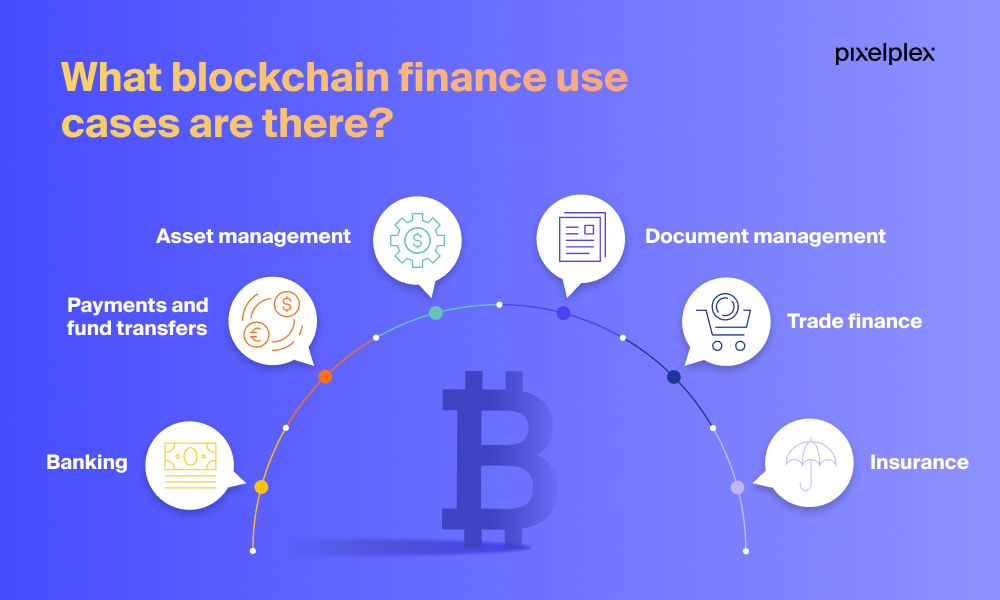
The Rise of Decentralized Finance (DeFi)
One of the most significant impacts of blockchain on the U.S. financial sector is the emergence of Decentralized Finance (DeFi). Unlike traditional banking systems that rely on centralized authorities, DeFi platforms leverage blockchain to create open, transparent, and accessible financial services. These platforms enable users to lend, borrow, and trade assets without intermediaries, reducing costs and increasing accessibility. For instance, Ethereum-based DeFi protocols have gained traction by allowing individuals to earn interest on their cryptocurrency holdings or access loans through smart contracts. This shift is challenging the dominance of traditional banks and empowering consumers with greater control over their financial assets.
Enhancing Security and Transparency
Blockchain’s core feature—its immutable and tamper-proof nature—has made it a game-changer for security in business and finance. Every transaction recorded on a blockchain is encrypted and linked to the previous one, making it nearly impossible to alter without detection. This level of security is particularly valuable in sectors where data integrity is critical, such as healthcare, where patient records can be stored securely and shared only with authorized parties. In finance, blockchain reduces the risk of fraud and errors, ensuring that transactions are verified and authenticated in real-time. As more businesses adopt blockchain solutions, the overall trust in digital transactions is expected to increase significantly.
Streamlining Supply Chain Management
Beyond finance, blockchain is revolutionizing supply chain operations in the U.S. By providing a transparent and traceable record of every step in the production and distribution process, blockchain helps companies monitor the movement of goods from source to consumer. This is especially beneficial in industries like agriculture, where tracking the origin of products can enhance food safety and reduce waste. For example, Walmart has implemented blockchain to track the journey of produce from farms to stores, enabling quicker recalls and improving customer confidence. Similarly, pharmaceutical companies are using blockchain to combat counterfeit drugs by ensuring the authenticity of medications throughout the supply chain.
Impact on Real Estate Transactions
The real estate industry in the U.S. is also experiencing a transformation thanks to blockchain. Traditional property transactions involve lengthy processes, multiple intermediaries, and high costs. Blockchain streamlines these processes by enabling secure, transparent, and efficient property transfers. Smart contracts—self-executing agreements with the terms directly written into code—can automate tasks such as verifying ownership, processing payments, and recording deeds. This not only speeds up transactions but also reduces the potential for disputes and fraud. Several states are exploring the use of blockchain for land registries, signaling a shift toward more digitized and secure real estate markets.
Challenges and Considerations
Despite its promise, the widespread adoption of blockchain technology in the U.S. comes with challenges. Regulatory uncertainty remains a major hurdle, as policymakers struggle to balance innovation with consumer protection. Additionally, scalability issues and high energy consumption associated with some blockchain networks, such as Bitcoin, raise concerns about their long-term viability. However, ongoing advancements in blockchain technology, including the development of more energy-efficient consensus mechanisms and layer-2 solutions, are addressing these challenges. As the technology matures, its integration into mainstream business and finance is likely to accelerate.
The Future of Blockchain in the U.S.
Looking ahead, the future of blockchain in the U.S. appears promising. As more businesses and government agencies recognize its potential, investment in blockchain infrastructure is expected to grow. The rise of central bank digital currencies (CBDCs), such as the proposed digital dollar, could further integrate blockchain into the national financial system. Moreover, the increasing collaboration between private and public sectors is fostering an environment conducive to innovation. With continued research, development, and regulatory support, blockchain is poised to become a cornerstone of the U.S. economy, driving efficiency, security, and inclusivity across various industries.


Comments
Post a Comment