5G and Beyond: The Future of Connectivity and Innovation in the United States
5G technology has rapidly transformed the landscape of connectivity in the United States, ushering in a new era of innovation and efficiency. As the fifth generation of wireless technology, 5G offers significantly faster data speeds, lower latency, and the ability to connect more devices simultaneously compared to its predecessors. This advancement is not just about faster internet; it's about enabling a wide array of applications that can revolutionize industries ranging from healthcare to transportation. The rollout of 5G networks across the country is a critical step towards achieving the goals of smart cities, autonomous vehicles, and the Internet of Things (IoT). 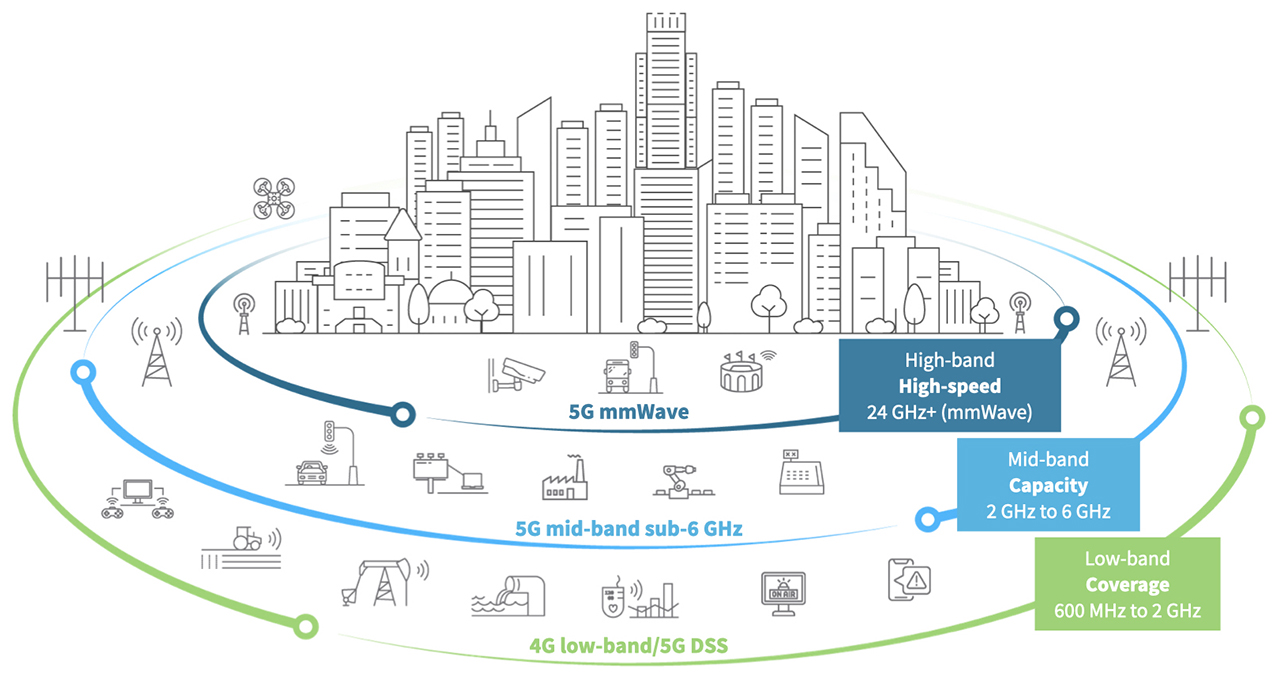
One of the most notable impacts of 5G is its potential to enhance the capabilities of IoT devices. With 5G, millions of devices can communicate seamlessly, creating a more interconnected environment. This is particularly beneficial for smart homes, where appliances can be controlled remotely and efficiently. In agriculture, sensors can monitor soil conditions and weather patterns in real-time, allowing farmers to optimize crop yields. Additionally, in manufacturing, 5G enables real-time monitoring and predictive maintenance, reducing downtime and increasing productivity. These applications highlight how 5G is not just a technological upgrade but a catalyst for operational excellence.
The healthcare sector is also experiencing a significant transformation with the advent of 5G. Telemedicine, which allows patients to consult with doctors remotely, has become increasingly vital, especially during the pandemic. With 5G, high-definition video calls and real-time data sharing are possible, making remote consultations more effective. Moreover, 5G supports the use of wearable health devices that can monitor vital signs and send data to healthcare providers instantly. This capability is crucial for managing chronic conditions and providing timely interventions. Furthermore, 5G facilitates the development of advanced medical technologies such as robotic surgery, where surgeons can perform procedures from distant locations with precision and speed.
In the realm of transportation, 5G is paving the way for autonomous vehicles and smart traffic management systems. Autonomous vehicles rely on real-time data processing and communication to navigate safely. 5G provides the necessary bandwidth and low latency to ensure that these vehicles can respond quickly to their surroundings. Additionally, smart traffic lights and road sensors can communicate with each other and with vehicles, optimizing traffic flow and reducing congestion. This integration of 5G technology can lead to safer and more efficient transportation networks, ultimately improving the quality of life for commuters.
The economic implications of 5G are profound. According to a study by the GSMA, the 5G ecosystem could generate over $2.5 trillion in global economic value by 2035. In the United States, this translates to job creation, increased business efficiency, and enhanced consumer experiences. Sectors such as entertainment, education, and retail are leveraging 5G to offer immersive experiences through augmented reality (AR) and virtual reality (VR). For instance, AR can be used in retail to allow customers to visualize products in their homes before purchasing, while VR can provide interactive learning environments for students. These innovations not only enhance user engagement but also open up new revenue streams for businesses.
However, the deployment of 5G is not without challenges. One of the primary concerns is the need for extensive infrastructure upgrades. Unlike previous generations of wireless technology, 5G requires a denser network of small cells to ensure optimal coverage. This necessitates collaboration between telecommunications companies, local governments, and communities to address issues related to zoning, aesthetics, and environmental impact. Additionally, there are ongoing debates about the health effects of 5G radiation, although scientific studies have consistently shown that the levels of exposure are within safe limits.
Looking ahead, the future of connectivity in the United States will likely involve the continued evolution of 5G and the emergence of even more advanced technologies. The concept of "Beyond 5G" or 6G is already being explored, with researchers aiming to develop networks that offer even higher speeds, greater capacity, and more reliable connections. These next-generation technologies will further enable innovations such as holographic communications, ultra-low-latency control of remote machinery, and highly immersive digital experiences. As the United States continues to invest in these advancements, it is essential to ensure that the benefits of 5G and beyond are accessible to all citizens, regardless of geographic location or socioeconomic status.
In conclusion, 5G technology is reshaping the American landscape by driving innovation across various sectors. From enhancing healthcare and transportation to boosting economic growth, the impact of 5G is far-reaching. While challenges remain, the potential for 5G to transform everyday life and create a more connected society is undeniable. As the United States moves forward, it is crucial to embrace these technological advancements while addressing the associated challenges to ensure a sustainable and inclusive future.


Comments
Post a Comment