Top 10 Emerging Technologies of 2025: Pioneering the Future of Innovation
In a world driven by rapid technological advancement, the United States continues to be at the forefront of groundbreaking research and development. Each year, new innovations emerge from laboratories across the country, offering solutions to some of the most pressing challenges facing humanity. The Top 10 Emerging Technologies of 2025, developed in collaboration with Frontiers, presents a comprehensive overview of ten transformative innovations that have the potential to reshape industries and societies.
This report, based on expert nominations and rigorous foresight evaluation, explores the scientific progress, strategic impact, and ecosystem readiness of each technology across five dimensions. These technologies are not just theoretical concepts; they are real-world solutions with the power to drive sustainable growth, enhance resilience, and promote inclusive innovation.
Structural Battery Composites
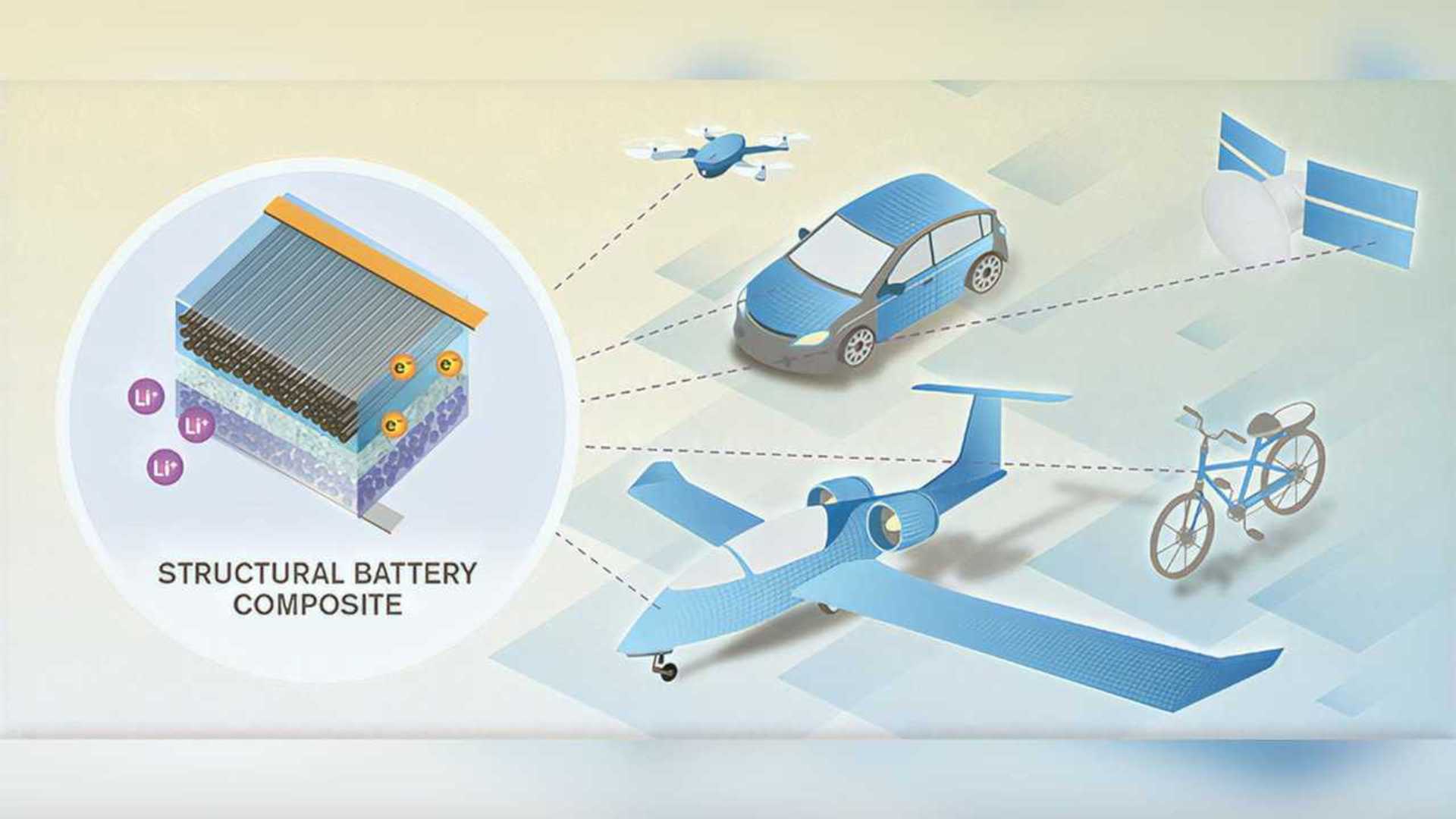
One of the most promising technologies highlighted in the report is structural battery composites. This innovation integrates energy storage directly into the structural materials of vehicles and devices, reducing weight and increasing efficiency. Unlike traditional batteries, which are separate components, structural battery composites function as both a load-bearing material and an energy source.
This breakthrough could revolutionize the automotive and aerospace industries, enabling lighter, more efficient vehicles. For example, electric cars equipped with these composites could travel farther on a single charge while maintaining the same level of safety and durability.
Engineered Living Therapeutics
Another significant advancement is engineered living therapeutics, which involves the use of genetically modified cells to treat diseases. These therapies leverage the body’s own biological systems to target and eliminate harmful pathogens or malfunctioning cells. This approach has shown promise in treating conditions such as cancer, autoimmune disorders, and genetic diseases.
Unlike conventional drugs, engineered living therapeutics can adapt and respond to changes in the body, making them more effective and personalized. As this field continues to evolve, it may lead to cures for previously untreatable conditions, transforming healthcare in the United States and beyond.
Osmotic Power
Osmotic power, also known as blue energy, is another emerging technology that harnesses the natural process of osmosis to generate electricity. This technology uses the difference in salt concentration between fresh water and seawater to produce energy, offering a renewable and sustainable power source.
With the growing demand for clean energy, osmotic power could play a crucial role in reducing reliance on fossil fuels. Researchers in the U.S. are exploring ways to scale this technology, making it viable for large-scale energy production. If successful, osmotic power could provide a reliable and environmentally friendly alternative to traditional energy sources.
AI-Generated Content Watermarking
As artificial intelligence continues to advance, so do concerns about the authenticity and ownership of digital content. To address this, AI-generated content watermarking has emerged as a critical tool for verifying the origin of digital media. This technology embeds invisible markers into AI-generated text, images, and videos, allowing users to identify whether the content was created by humans or machines.
This innovation is particularly important in the context of misinformation and intellectual property rights. By ensuring transparency, AI-generated content watermarking helps maintain trust in digital platforms and protects creators from unauthorized use of their work.
Other Notable Innovations
In addition to the four technologies mentioned above, the Top 10 list includes several other innovations that are poised to make a significant impact:
- Quantum Computing: Advances in quantum computing could revolutionize fields such as cryptography, drug discovery, and optimization problems.
- Carbon Capture and Storage (CCS): This technology aims to reduce greenhouse gas emissions by capturing carbon dioxide from industrial processes and storing it underground.
- Advanced Materials: New materials with enhanced properties, such as self-healing polymers and ultra-strong alloys, are opening up new possibilities in engineering and manufacturing.
- Neural Interfaces: These interfaces enable direct communication between the brain and external devices, with applications in medicine, gaming, and assistive technologies.
- Synthetic Biology: This field combines biology and engineering to design and construct new biological parts, devices, and systems, with potential applications in agriculture, medicine, and environmental remediation.
- Autonomous Systems: From self-driving cars to drones, autonomous systems are becoming increasingly sophisticated, with implications for transportation, logistics, and public safety.
Strategic Impact and Ecosystem Readiness
The report emphasizes the importance of understanding the strategic impact of these technologies and their readiness for widespread adoption. While many of these innovations show great promise, they also face challenges related to scalability, regulatory frameworks, and public acceptance.
For leaders in government, industry, and academia, the findings of this report serve as a forward-looking lens to guide investment, policy, and collaboration. By prioritizing technologies with high potential and strong ecosystem support, stakeholders can ensure that these innovations contribute to sustainable growth and long-term resilience.
Conclusion
The Top 10 Emerging Technologies of 2025 represent a glimpse into the future of innovation in the United States. From structural battery composites to AI-generated content watermarking, these technologies are not only reshaping industries but also addressing some of the most critical challenges facing society today. As research and development continue to advance, the potential for these innovations to transform our world is immense. By embracing and supporting these technologies, the U.S. can remain a global leader in science, technology, and sustainable development.


Comments
Post a Comment