Top 10 Benefits of Cloud Computing You Need to Know in 2025
Cloud computing has become an integral part of modern business operations, offering a wide range of benefits that continue to evolve as technology advances. As we approach 2025, the importance of cloud computing is more evident than ever, with organizations leveraging its capabilities to streamline processes, reduce costs, and enhance scalability. Whether you're a small startup or a large enterprise, understanding the top 10 benefits of cloud computing can help you make informed decisions about your digital infrastructure.
Cost Efficiency and Scalability
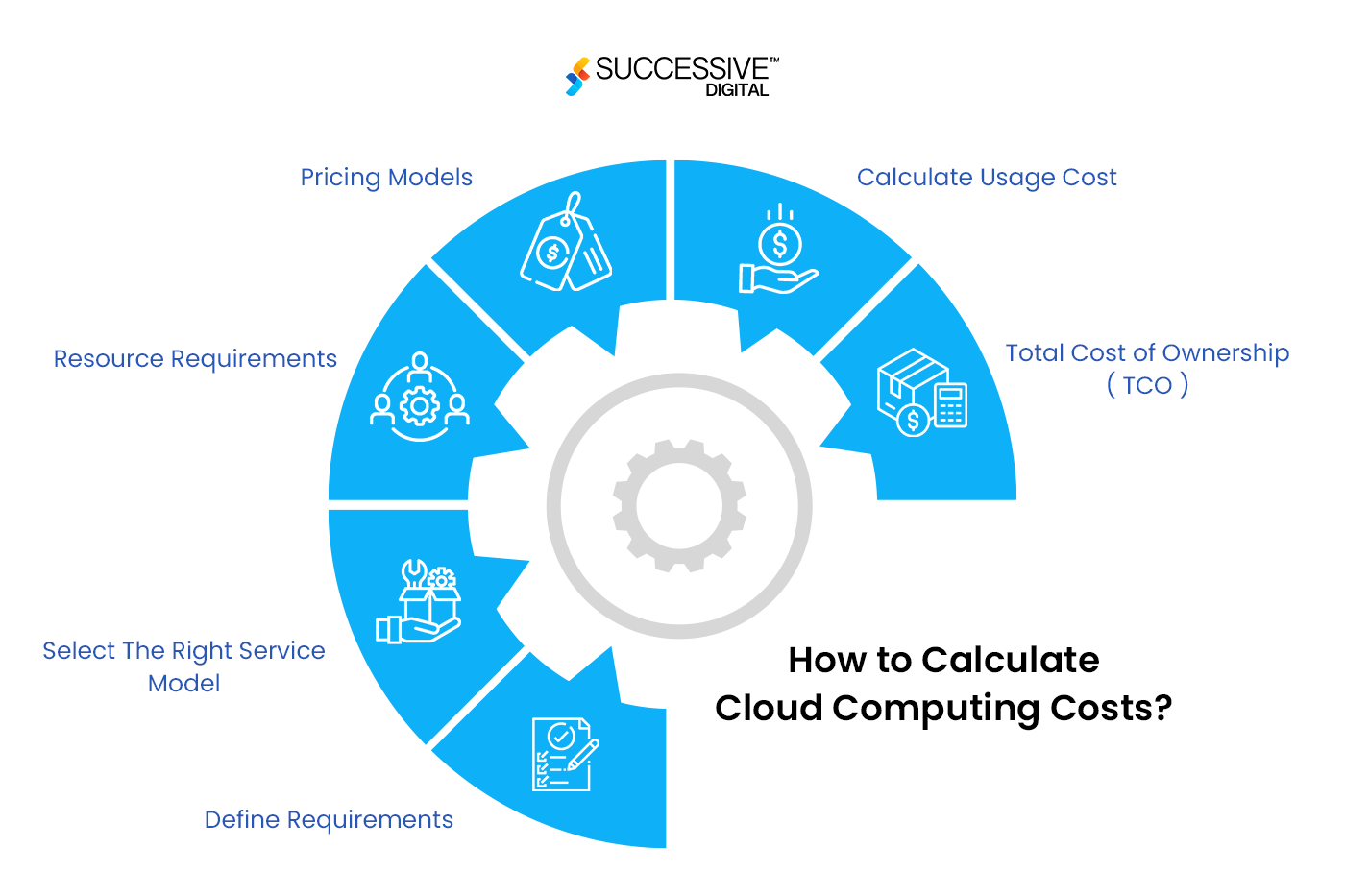
One of the most significant advantages of cloud computing is its cost efficiency. Traditional IT infrastructure requires substantial upfront investments in hardware, software, and maintenance. In contrast, cloud services operate on a pay-as-you-go model, allowing businesses to only pay for the resources they use. This flexibility not only reduces capital expenditures but also enables companies to scale their operations up or down based on demand. For instance, during peak seasons, businesses can easily expand their cloud capacity without the need for physical servers.
Enhanced Collaboration and Accessibility
Cloud computing facilitates seamless collaboration among team members, regardless of their location. With cloud-based tools and platforms, employees can access files, applications, and data from anywhere with an internet connection. This level of accessibility promotes productivity and ensures that teams can work together in real-time. Additionally, cloud services often include features such as version control, shared workspaces, and communication tools, which further enhance teamwork and project management.
Improved Data Security and Compliance
Contrary to common misconceptions, cloud computing can actually improve data security when implemented correctly. Leading cloud service providers invest heavily in robust security measures, including encryption, multi-factor authentication, and regular security audits. These measures help protect sensitive information from cyber threats and ensure compliance with industry regulations. Businesses can also benefit from automated backups and disaster recovery solutions, which minimize the risk of data loss and downtime.
Disaster Recovery and Business Continuity
Disaster recovery is a critical aspect of any business strategy, and cloud computing offers reliable solutions to ensure business continuity. Cloud providers typically have redundant systems and multiple data centers, which means that even if one server fails, data remains accessible. This redundancy helps organizations maintain operations during unexpected events such as natural disasters, cyberattacks, or system failures. By leveraging cloud-based disaster recovery plans, businesses can quickly restore their operations and minimize financial losses.
Environmental Sustainability
As environmental concerns become increasingly important, cloud computing offers a sustainable alternative to traditional IT infrastructures. Cloud providers optimize resource usage through virtualization and energy-efficient data centers, reducing the overall carbon footprint. By consolidating resources and minimizing the need for physical hardware, businesses can contribute to a greener future while also benefiting from lower operational costs.
Innovation and Agility
Cloud computing empowers businesses to innovate and stay agile in a rapidly changing market. With access to cutting-edge technologies such as artificial intelligence, machine learning, and big data analytics, organizations can gain valuable insights and make data-driven decisions. The cloud also allows for rapid deployment of new applications and services, enabling businesses to respond quickly to customer needs and market trends.
Integration with Emerging Technologies
The integration of cloud computing with emerging technologies such as the Internet of Things (IoT), blockchain, and edge computing is opening up new possibilities for businesses. IoT devices can collect and transmit data to the cloud, where it can be analyzed and used to improve decision-making. Blockchain technology can enhance security and transparency in cloud environments, while edge computing enables faster data processing by bringing computation closer to the data source. These integrations are driving innovation and creating new opportunities for growth.
Support for Remote Work
The shift towards remote work has accelerated due to the global pandemic, and cloud computing has played a crucial role in enabling this transition. Cloud-based tools and platforms allow employees to work from home, collaborate with colleagues, and access company resources securely. This flexibility not only improves employee satisfaction but also helps businesses attract and retain talent in a competitive job market.
Competitive Advantage
In today's fast-paced business environment, staying ahead of the competition is essential. Cloud computing provides businesses with the tools and resources needed to innovate, scale, and deliver exceptional customer experiences. By leveraging cloud services, organizations can reduce time-to-market for new products and services, improve operational efficiency, and enhance customer engagement. This competitive edge can be the difference between success and failure in the digital age.
Future-Proofing Your Business
As technology continues to evolve, cloud computing will remain a vital component of any business strategy. By adopting cloud solutions, organizations can future-proof their operations and adapt to emerging trends and challenges. The cloud offers the flexibility, scalability, and security needed to support long-term growth and sustainability. As we look ahead to 2025, investing in cloud computing is not just a smart choice—it's a necessity for businesses that want to thrive in an increasingly digital world.


Comments
Post a Comment