Top 10 Benefits of Cloud Computing for Small Businesses You Can't Ignore in 2025
Cloud computing has become an essential tool for small businesses looking to streamline operations, reduce costs, and stay competitive in a rapidly evolving market. As we approach 2025, the advantages of cloud computing continue to grow, making it a critical investment for any small business owner. From enhanced scalability to improved collaboration, the benefits of cloud computing are numerous and impactful. Here are the top 10 benefits that small businesses can't ignore in 2025.
Enhanced Scalability and Flexibility
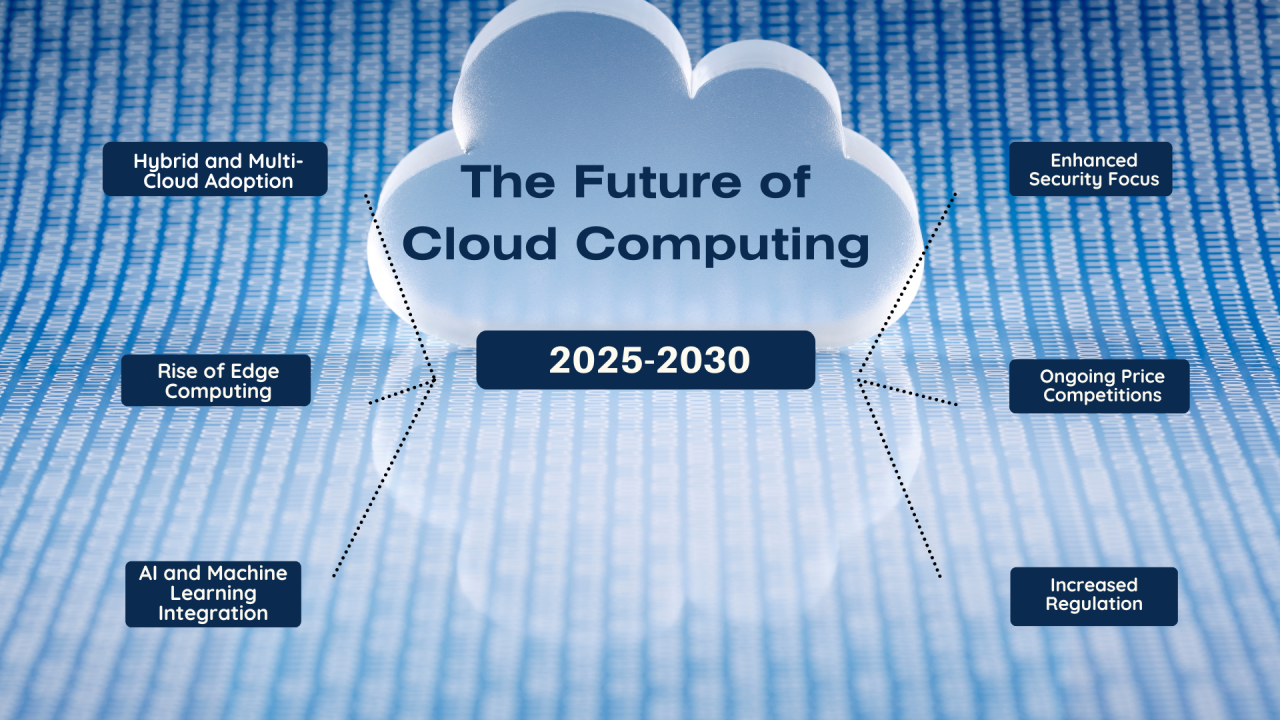
One of the most significant advantages of cloud computing is its ability to scale resources up or down based on demand. For small businesses, this means they can easily adjust their IT infrastructure without the need for expensive hardware upgrades. Whether a business is experiencing a surge in traffic or needs to reduce costs during slower periods, cloud solutions offer the flexibility to adapt quickly. This scalability ensures that small businesses can focus on growth without being constrained by outdated technology.
Cost Efficiency and Reduced Capital Expenditure
Traditional IT infrastructure requires substantial upfront investments in servers, software, and maintenance. Cloud computing eliminates these costs by offering a pay-as-you-go model. Small businesses can access powerful computing resources without the burden of purchasing and maintaining physical hardware. This cost efficiency allows business owners to allocate more funds toward innovation, marketing, and customer service, ultimately driving long-term success.
Improved Data Security and Compliance
Data security is a top concern for small businesses, especially with the increasing threat of cyberattacks. Cloud providers invest heavily in security measures such as encryption, multi-factor authentication, and regular updates to protect sensitive information. Additionally, many cloud services comply with industry-specific regulations, ensuring that businesses meet legal requirements without the need for extensive in-house expertise. This level of security helps build trust with customers and partners.
Remote Work and Collaboration Capabilities
The rise of remote work has transformed how businesses operate, and cloud computing plays a crucial role in enabling seamless collaboration. With cloud-based tools, employees can access files, communicate in real-time, and work on projects from anywhere with an internet connection. This flexibility not only supports a distributed workforce but also enhances productivity and reduces the need for physical office spaces. In 2025, the ability to support remote work will be a key differentiator for small businesses.
Disaster Recovery and Business Continuity
Natural disasters, system failures, and cyber threats can disrupt business operations and lead to significant losses. Cloud computing offers robust disaster recovery solutions that ensure data is backed up and accessible even in the event of a major outage. Small businesses can quickly restore operations and minimize downtime, which is essential for maintaining customer trust and operational continuity.
Access to Advanced Technologies
Cloud providers continuously update their platforms with the latest technologies, such as artificial intelligence, machine learning, and analytics tools. Small businesses can leverage these advancements without the need for extensive technical knowledge or infrastructure. By adopting cloud solutions, businesses can gain insights into customer behavior, optimize processes, and make data-driven decisions that drive growth.
Environmental Sustainability
Cloud computing contributes to environmental sustainability by reducing the carbon footprint associated with traditional IT infrastructure. Cloud data centers are designed to be energy-efficient and often use renewable energy sources. By migrating to the cloud, small businesses can demonstrate their commitment to sustainability while also benefiting from lower energy costs and reduced waste.
Streamlined IT Management
Managing IT infrastructure can be time-consuming and complex for small businesses with limited resources. Cloud computing simplifies IT management by offloading tasks such as server maintenance, software updates, and security monitoring to the cloud provider. This allows business owners to focus on core operations while ensuring that their IT systems remain secure and up-to-date.
Increased Agility and Innovation
In a fast-paced business environment, agility is key to staying ahead of the competition. Cloud computing enables small businesses to experiment with new ideas, test products, and launch services quickly. The ability to scale resources and access advanced tools fosters a culture of innovation, allowing businesses to respond to market changes and customer demands more effectively.
Better Customer Experience
Cloud computing enhances the customer experience by enabling businesses to deliver services more efficiently and reliably. With cloud-based applications, businesses can provide faster response times, personalized interactions, and seamless online experiences. This improved customer engagement can lead to higher satisfaction, loyalty, and retention, which are vital for long-term success.


Comments
Post a Comment