Top 10 Automation Tools That Are Revolutionizing Business in 2025
Automation tools are transforming the business landscape in 2025, offering companies unprecedented efficiency, cost savings, and scalability. As technology continues to evolve, these tools are no longer just for large corporations; small and medium-sized enterprises (SMEs) are also leveraging automation to stay competitive. From customer relationship management (CRM) systems to artificial intelligence (AI)-driven analytics, the top automation tools of 2025 are reshaping how businesses operate. This article explores the ten most impactful automation tools that are revolutionizing the way companies function today.
Streamlining Operations with AI-Powered Solutions
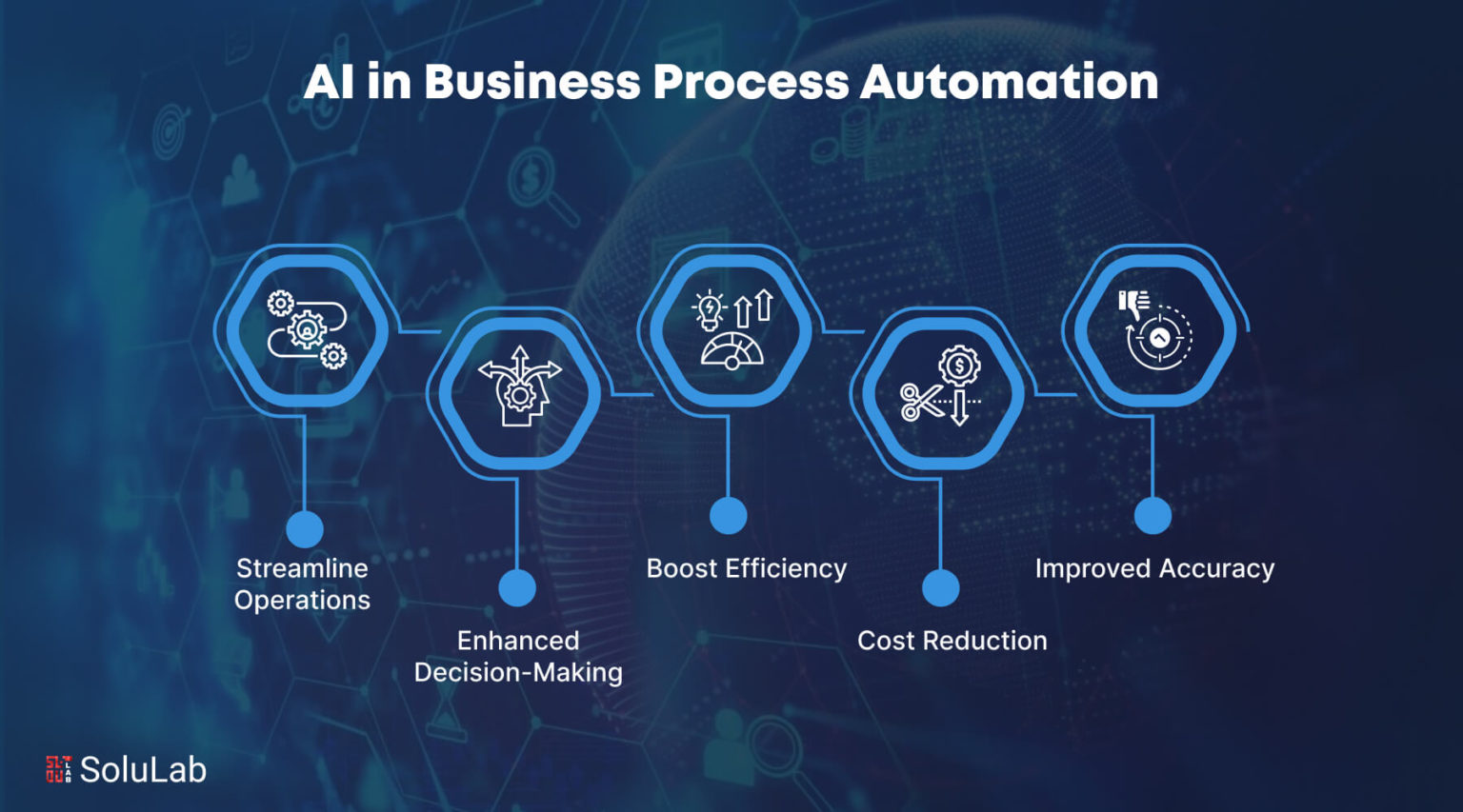
Artificial intelligence is at the forefront of automation, enabling businesses to automate repetitive tasks and make data-driven decisions. Tools like Zapier and Make (formerly Integromat) allow users to connect different apps and services, automating workflows across platforms. These tools use AI to predict user behavior and optimize task execution, reducing the need for manual intervention. For instance, a marketing team can automate email campaigns based on customer interactions, ensuring timely and personalized communication.
Enhancing Customer Engagement Through Automation
Customer engagement is a critical aspect of any business, and automation tools are making it easier to maintain consistent and meaningful interactions. Platforms like HubSpot and Salesforce offer advanced CRM capabilities that automate lead scoring, follow-ups, and sales pipelines. These tools not only track customer interactions but also provide insights into customer behavior, allowing businesses to tailor their strategies effectively. By automating customer service responses through chatbots and virtual assistants, companies can ensure 24/7 support without increasing operational costs.
Automating Data Analysis for Informed Decisions
Data is the backbone of modern business, and automation tools are simplifying the process of analyzing this data. Tableau and Power BI are leading visualization tools that enable businesses to transform raw data into actionable insights. These platforms automatically generate reports and dashboards, allowing managers to monitor key performance indicators (KPIs) in real-time. Additionally, Google Analytics offers automated tracking and reporting features that help businesses understand website traffic and user behavior. With these tools, companies can make informed decisions faster than ever before.
Optimizing Marketing Strategies with Automation
Marketing has become more efficient with the help of automation tools that streamline campaign management and audience targeting. Mailchimp and Constant Contact are popular email marketing platforms that automate sending personalized emails, tracking open rates, and analyzing campaign performance. These tools also integrate with social media platforms, allowing businesses to schedule posts and monitor engagement. By automating content creation and distribution, companies can maintain a consistent brand presence across multiple channels.
Improving Productivity with Task Automation
Task automation tools are helping employees focus on high-value work by eliminating time-consuming, repetitive tasks. Trello and Asana are project management tools that automate task assignments, deadlines, and progress tracking. These platforms allow teams to collaborate seamlessly, ensuring that projects are completed on time and within budget. Additionally, Monday.com offers customizable workflows that automate various aspects of project management, from resource allocation to performance metrics.
Revolutionizing Accounting and Financial Management
Financial management is another area where automation is making a significant impact. QuickBooks and Xero are accounting software solutions that automate invoicing, expense tracking, and financial reporting. These tools eliminate the need for manual data entry, reducing errors and saving time. Moreover, FreshBooks offers automated time tracking and billing features, making it easier for freelancers and small businesses to manage their finances efficiently.
Enhancing Security with Automated Protocols
Cybersecurity threats are a growing concern for businesses, and automation tools are playing a crucial role in safeguarding sensitive data. CrowdStrike and Darktrace use AI to detect and respond to security threats in real-time. These tools monitor network activity, identify anomalies, and automatically take corrective actions to prevent breaches. By implementing automated security protocols, businesses can protect their data without relying solely on human oversight.
Facilitating Remote Work with Collaboration Tools
The rise of remote work has led to an increased demand for collaboration tools that automate communication and project management. Microsoft Teams and Slack offer integrated messaging, video conferencing, and file sharing capabilities that streamline team interactions. These platforms also support automation through integrations with other tools, such as Zoom and Google Workspace, ensuring seamless collaboration regardless of location. By automating internal communications, businesses can improve productivity and reduce the risk of miscommunication.
Transforming Human Resources with Automated Processes
Human resources (HR) departments are also benefiting from automation tools that simplify employee onboarding, payroll, and performance management. BambooHR and Workday offer automated HR solutions that streamline recruitment, training, and compliance processes. These tools reduce administrative burdens, allowing HR professionals to focus on strategic initiatives. Additionally, Paychex provides automated payroll and benefits administration, ensuring accurate and timely payments for employees.
Future Trends in Business Automation
As we look ahead, the future of business automation holds even more promise. Emerging technologies such as blockchain and Internet of Things (IoT) are expected to further enhance automation capabilities. Blockchain can automate contract execution and secure data transactions, while IoT devices can collect and analyze real-time data to optimize operations. Businesses that embrace these innovations will be better positioned to adapt to changing market conditions and stay ahead of the competition. By investing in the right automation tools, companies can unlock new levels of efficiency, innovation, and growth in 2025 and beyond.


Comments
Post a Comment