The Ultimate Guide to the Best Smart Home Hubs for 2024
In today’s rapidly evolving tech landscape, building a smart home has never been more accessible or affordable. With a wide array of smart devices and hubs available, homeowners can now enjoy enhanced convenience, security, and automation without breaking the bank. However, choosing the right smart home hub is crucial, as it acts as the central controller that connects and manages all your smart devices.
Smart home systems typically fall into two categories: those focused on convenience and those centered around security. Understanding your primary goal—whether it's seamless control of smart devices or robust home protection—will help you make an informed decision when selecting a hub. Below, we explore some of the top smart home hubs currently available, each tailored to different needs and preferences.
Samsung SmartThings Station – Best DIY Smart Home Hub for Most People
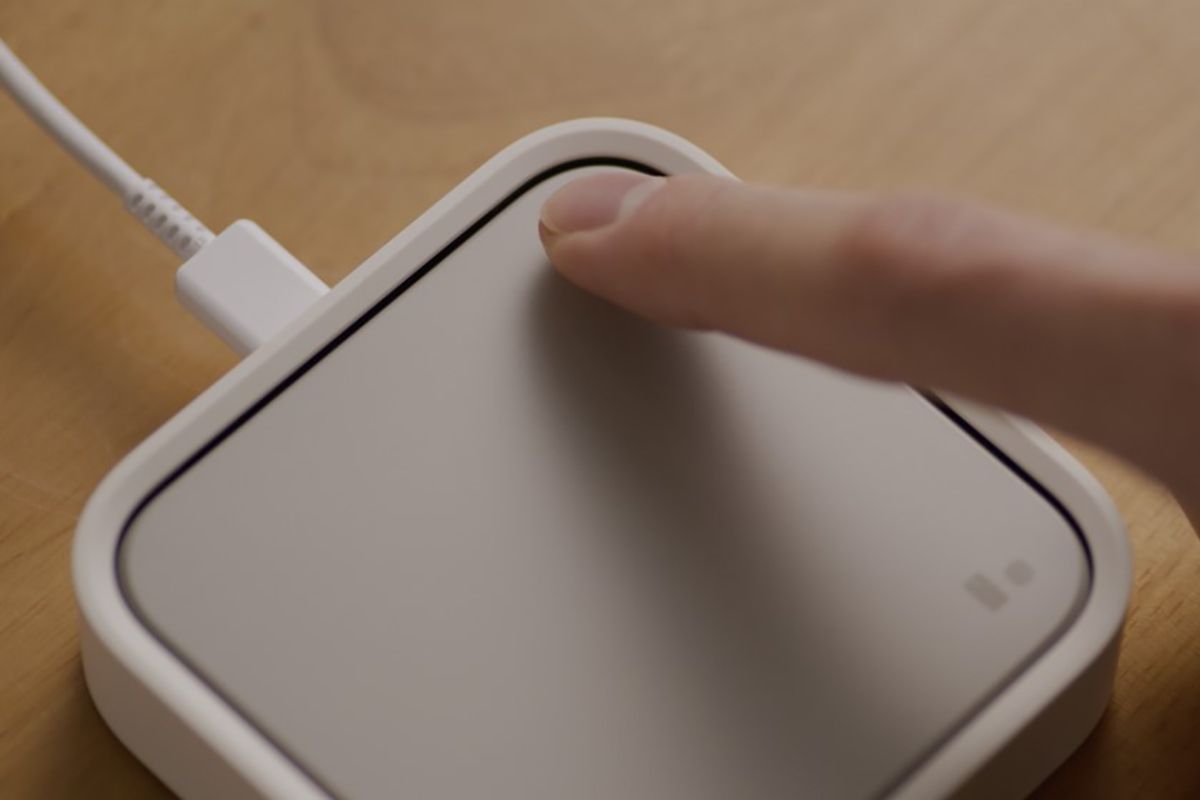
The Samsung SmartThings Station stands out as a versatile and powerful hub that supports Wi-Fi, Zigbee, Thread, and Matter protocols. This makes it an excellent choice for users looking to integrate a wide range of smart devices into their home ecosystem. One of its standout features is the built-in wireless phone charger, which adds a convenient touch for daily use.
However, it’s important to note that the SmartThings Station does not support Z-Wave devices, and it lacks battery or cellular backup. Additionally, it requires a stable broadband connection to function effectively. If you’re already using a non-Matter SmartThings hub, transitioning to this model will allow you to control most Matter-certified products, though Z-Wave devices will need to be managed separately.
For those who value ease of use and compatibility with third-party devices, the Samsung SmartThings Station is a strong contender. It’s particularly well-suited for users who want a reliable and future-proof hub that can grow with their smart home needs.
Amazon Echo Hub – Best Smart Home Hub with a Display
If you're an Alexa enthusiast, the Amazon Echo Hub is a compelling option. This wall-mounted hub offers a touchscreen display and supports advanced connectivity options such as Wi-Fi, Matter, Zigbee, Thread, Bluetooth LE Mesh, and Sidewalk. Its user-friendly interface and integration with Alexa-compatible devices make it ideal for users who rely heavily on voice commands.
One downside is that it doesn’t support Z-Wave devices and lacks battery or cellular backup. Additionally, it may be overkill for those with only a few smart home devices. However, if you're looking for a high-end smart home experience with a sleek design, the Echo Hub is worth considering.
Ikea Dirigera – Best DIY Smart Home Hub for Newbies
For newcomers to the smart home world, the Ikea Dirigera is an excellent starting point. It’s inexpensive, easy to use, and compatible with Amazon Alexa, Apple Home, and Google Home. A recent firmware update has also enabled it to act as a Matter bridge and Thread border router, expanding its capabilities.
While it must be hardwired to your router and lacks Z-Wave support, the simplicity of the Ikea Home app makes it a great choice for users who want a hassle-free setup. It’s perfect for those who prefer a straightforward approach without the complexity of advanced configurations.
Other Notable Smart Home Hubs
Several other hubs are worth considering depending on your specific needs:
- Aqara Hub E1: A budget-friendly option that supports Aqara Zigbee devices but lacks an infrared blaster.
- Aqara Hub M3: Offers Wi-Fi, Thread, and Zigbee radios and is Matter-compatible, though it only controls Aqara products.
- Homey Bridge: Similar to SmartThings, it supports multiple protocols but limits users to five devices without a subscription.
- Hubitat Elevation (C7): A powerful hub favored by enthusiasts, supporting Matter and offering local control without internet dependency.
- SwitchBot Hub 2: Primarily a gateway for SwitchBot products, though it can serve as a Matter bridge for third-party devices.
How to Choose the Best DIY Smart Home System
When selecting a smart home hub, consider the following factors:
- Smart Home Standards: Ensure the hub supports the necessary protocols (e.g., Matter, Zigbee, Z-Wave) to connect your existing or planned devices.
- Wired vs. Wireless Connection: Some hubs require an Ethernet cable, while others offer wireless flexibility.
- Local Control vs. Cloud Dependency: Opt for a hub that processes commands locally to avoid delays during internet outages.
- Backup Options: For security-focused systems, look for hubs with battery or cellular backup.
- Sensor Range: Consider the coverage area of your hub, especially if you have a large home.
- Mobile App Usability: A user-friendly app is essential for managing your smart home efficiently.
- Overall Complexity: Choose a hub that matches your technical expertise and customization needs.
- Subscription Plans: Some hubs require ongoing subscriptions for full functionality.
Cost Considerations
Setting up a smart home involves both startup and ongoing costs. The initial investment includes the hub, basic smart devices like lights, locks, and cameras, and possibly a security system. For example, a starter setup might cost around $900, including a HomePod Mini, video doorbell, smart lock, and several cameras.
When planning for future additions, consider the flexibility of your chosen system. Platforms like Home Assistant and Matter allow for greater device compatibility, reducing long-term costs. As the smart home market continues to evolve, investing in a hub that supports emerging standards ensures your system remains relevant and adaptable.
Whether you're upgrading an existing smart home or starting from scratch, choosing the right hub is the first step toward a more connected and convenient living space. With the right tools and knowledge, you can create a smart home that meets your unique needs and enhances your daily life.


Comments
Post a Comment