The Transformative Power of IoT: How Industries Are Leveraging Smart Technology
The Internet of Things (IoT) is revolutionizing the way industries operate, offering a new level of efficiency, safety, and connectivity. By integrating sensor devices into business processes, organizations can gather real-time data, automate tasks, and make informed decisions that drive growth and innovation. From manufacturing to healthcare, transportation to retail, IoT is reshaping entire sectors by enabling smarter, more responsive systems.
Manufacturing: Enhancing Efficiency with Proactive Maintenance
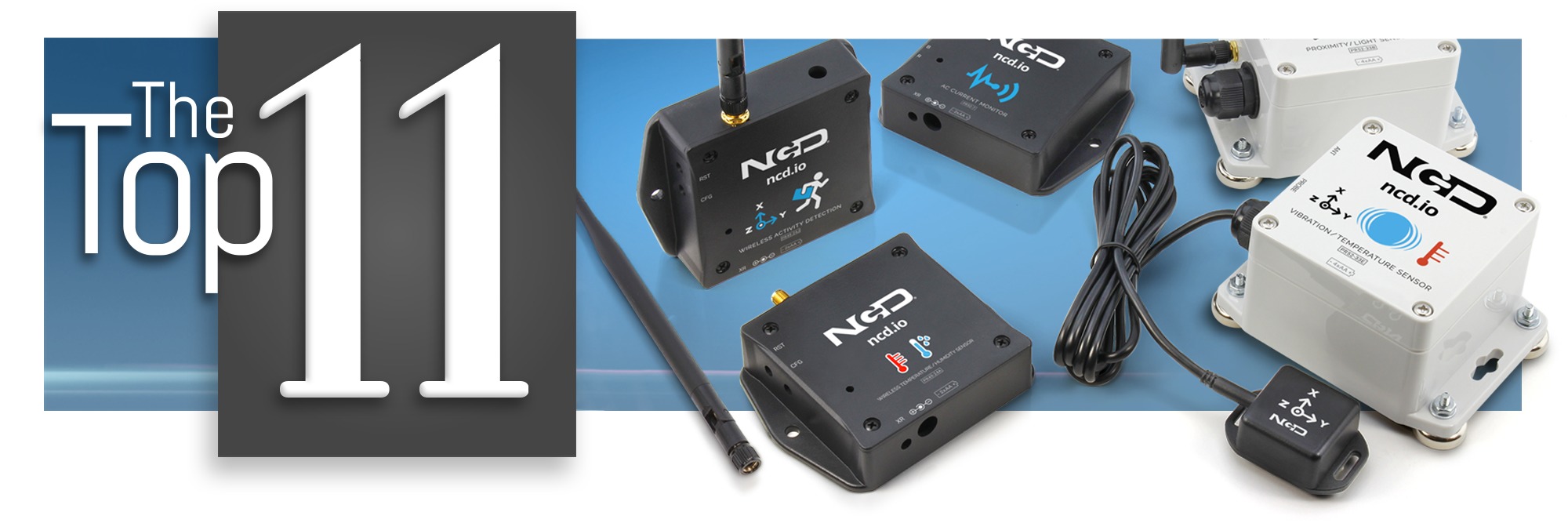
Manufacturing is one of the most significant beneficiaries of IoT technology. With the use of sensors on production lines, manufacturers can monitor equipment performance in real time. These sensors detect early signs of wear or failure, allowing for proactive maintenance that minimizes downtime and reduces costs. For example, if a machine begins to show signs of overheating, an alert can be sent to maintenance teams before a breakdown occurs. This not only improves operational efficiency but also enhances asset performance management, ensuring that machinery remains in optimal condition.
Additionally, IoT-enabled monitoring systems can track production output and identify any deviations from standard performance metrics. If a product line starts producing subpar goods, the system can flag the issue immediately, allowing for quick adjustments. This level of precision helps companies maintain quality control and reduce waste, ultimately leading to higher profitability.
Automotive Industry: Smarter Vehicles and Safer Roads
The automotive industry is another sector that has embraced IoT to enhance vehicle performance and driver safety. Modern vehicles are equipped with a range of sensors that monitor everything from tire pressure to engine health. These sensors can detect potential issues and send alerts to drivers, helping them avoid breakdowns and ensure safer travel. For instance, if a vehicle’s braking system shows signs of wear, the driver can be notified to schedule a service before a critical failure occurs.
Moreover, IoT applications enable real-time communication between vehicles and infrastructure. Connected cars can share information about traffic conditions, road hazards, and weather patterns, allowing for smoother navigation and reduced congestion. This interconnected network not only improves the driving experience but also contributes to overall road safety.
Transportation and Logistics: Optimizing Supply Chains
Transportation and logistics have also seen significant improvements through IoT integration. Fleet management systems use GPS and sensor data to track vehicle locations, optimize routes, and improve fuel efficiency. By analyzing real-time data, companies can reroute vehicles based on weather conditions, traffic, or driver availability, ensuring timely deliveries and reducing operational costs.
In addition, IoT-enabled tracking systems allow for better inventory management. Sensors attached to cargo containers can monitor temperature, humidity, and location, providing valuable insights into the condition of goods during transit. This is particularly important for industries like food and pharmaceuticals, where maintaining specific environmental conditions is crucial for product integrity.
Retail: Enhancing Customer Experience and Inventory Management
Retailers are leveraging IoT to create more engaging customer experiences and streamline operations. Smart shelves equipped with weight sensors and RFID technology can automatically track inventory levels and trigger restocking alerts when items are running low. This ensures that products are always available for customers, reducing the likelihood of lost sales due to out-of-stock items.
Furthermore, IoT-powered beacons can send personalized promotions and offers to shoppers’ smartphones, enhancing the in-store experience. By using data collected from these interactions, retailers can gain insights into consumer behavior and tailor their marketing strategies accordingly. This level of personalization not only improves customer satisfaction but also drives loyalty and repeat business.
Public Sector and Healthcare: Improving Services and Patient Care
In the public sector, IoT is being used to enhance utility services and emergency response systems. Utility providers can monitor water, power, and sewer networks in real time, quickly identifying and addressing outages. This not only improves service reliability but also allows for faster recovery during disruptions.
In healthcare, IoT is transforming patient care through asset tracking and remote monitoring. Hospitals can use IoT-enabled tags to locate medical equipment such as wheelchairs, IV stands, and defibrillators, ensuring that these resources are readily available when needed. Additionally, wearable devices can monitor patients’ vital signs and transmit data to healthcare professionals, enabling early intervention and more effective treatment plans.
Safety and Security: Protecting Workers and Assets
IoT also plays a critical role in enhancing worker safety, particularly in hazardous environments such as mines, oil rigs, and chemical plants. Wearable devices equipped with sensors can monitor environmental conditions and alert workers to potential dangers, such as gas leaks or extreme temperatures. In the event of an accident, these devices can quickly notify emergency responders, improving the chances of successful rescue operations.
Moreover, IoT-based security systems provide real-time monitoring of facilities, detecting intrusions and unauthorized access. This level of surveillance helps prevent theft, vandalism, and other security threats, ensuring the safety of both employees and assets.
Conclusion: Embracing the Future of IoT
As IoT continues to evolve, its impact on industries will only grow. From improving operational efficiency to enhancing safety and customer experiences, the benefits of IoT are vast and far-reaching. However, it is essential for organizations to address security and privacy concerns to fully realize the potential of this transformative technology. By investing in robust cybersecurity measures and ethical data practices, businesses can harness the power of IoT while protecting their stakeholders and maintaining trust in an increasingly connected world.


Comments
Post a Comment