The Transformative Power of 5G: Shaping the Future of Connectivity and Innovation
In recent years, 5G technology has emerged as a pivotal force in the evolution of digital connectivity. As the fifth generation of wireless communication, it promises to revolutionize not only how we interact with technology but also how industries operate. With its lightning-fast speeds, enhanced reliability, and support for emerging technologies, 5G is set to redefine the landscape of communication and beyond. This article explores the key advantages of 5G and how it is poised to shape the future of various sectors.
Blazing-Fast Speeds
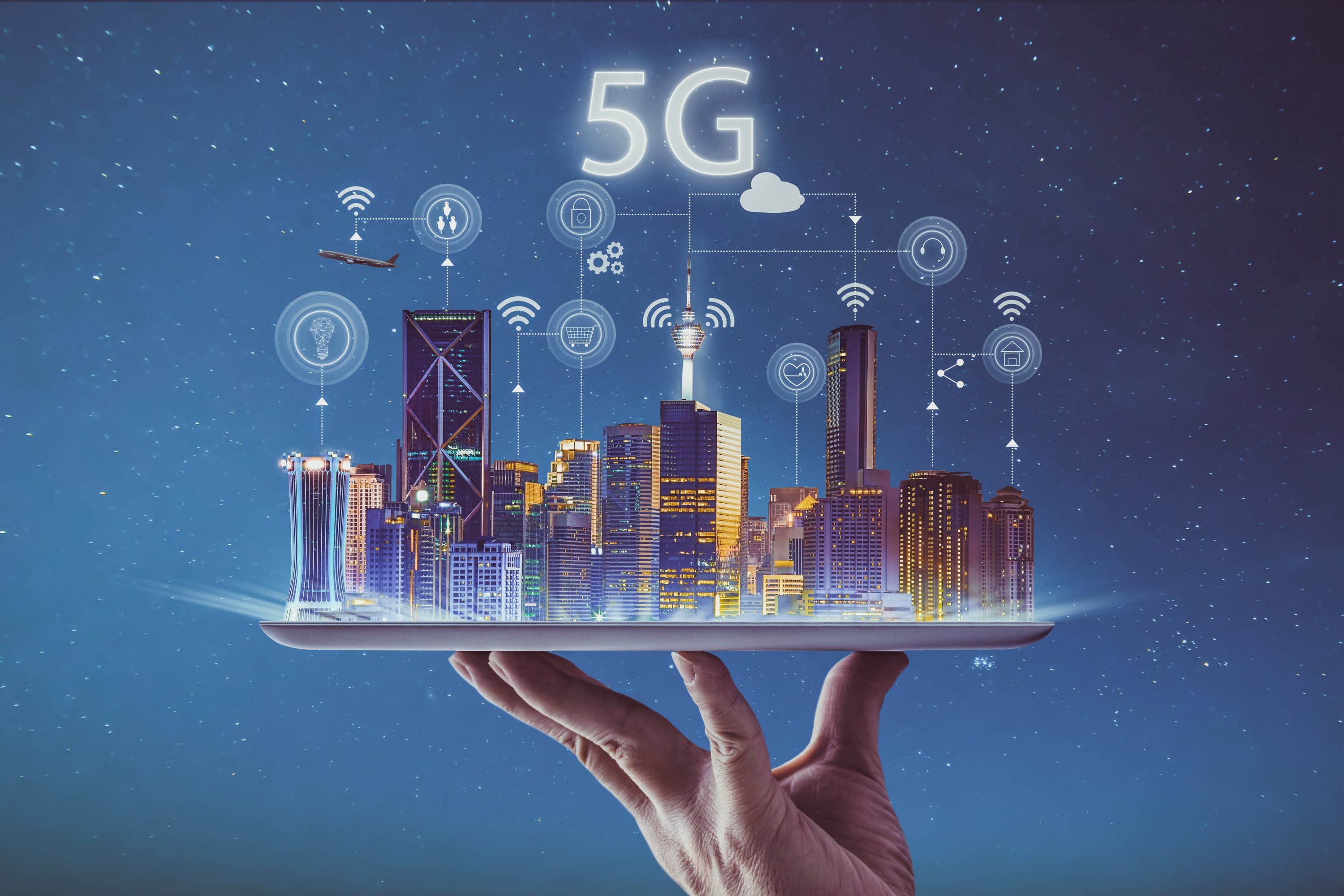
One of the most groundbreaking aspects of 5G is its incredible speed, which far surpasses that of its predecessor, 4G LTE. Capable of delivering data at up to 100 times faster speeds, 5G enables users to experience seamless downloads, high-quality video streaming, and real-time gaming. For instance, downloading large files or streaming 4K content becomes almost instantaneous, eliminating the frustration of buffering and long wait times. This speed is not just beneficial for consumers; it also transforms industries such as healthcare, where rapid data exchange can lead to quicker diagnoses and more efficient telemedicine services. In education, students can access high-definition resources and interactive content without interruption, enhancing the remote learning experience. Furthermore, businesses benefit from improved productivity through more efficient video conferencing and collaboration tools, fostering innovation and efficiency across the board.
Enhanced Connectivity
The rise of 5G also marks a significant advancement in connectivity, particularly within the Internet of Things (IoT) ecosystem. With the ability to handle a massive number of simultaneous connections, 5G supports the growing network of smart devices, enabling seamless communication between them. This enhanced connectivity is crucial for the development of smart homes and cities, where devices like thermostats, security cameras, and lighting systems can communicate effortlessly over 5G networks. Homeowners can manage their homes remotely, improving energy efficiency and security. In smart cities, 5G facilitates real-time data exchange among IoT devices and sensors, allowing city planners to optimize traffic flow, reduce congestion, and enhance public safety. By embracing 5G, urban areas can become more sustainable and livable, addressing critical challenges while enriching the lives of residents.
Improved Reliability
Reliability is another key advantage of 5G, thanks to advanced signal processing techniques and multiple frequency bands that ensure a robust and consistent connection. This reliability is especially important in densely populated urban areas where network congestion and signal interference are common. For industries such as healthcare, where real-time data transmission is critical, 5G's reliability ensures that medical professionals can communicate effectively with patients and access vital information quickly. In the realm of autonomous vehicles, 5G's reliability is essential for vehicle-to-vehicle (V2V) and vehicle-to-infrastructure (V2I) communication, enabling safer navigation and decision-making on the road. Additionally, industrial automation benefits from 5G's dependable connectivity, allowing for precise control of robotic systems and machinery, thereby increasing efficiency and reducing downtime.
Lower Latency
Latency, or the time it takes for data to travel from one point to another, is significantly reduced with 5G, reaching as low as one millisecond. This ultra-low latency is crucial for applications that require instant responses, such as virtual reality (VR) and augmented reality (AR). Gamers can enjoy cloud-based gaming platforms with minimal input lag, resulting in a more immersive experience. In the field of healthcare, 5G's low latency allows for real-time robotic surgeries, where surgeons can perform procedures with precision and immediacy. This capability extends to smart transportation systems, where autonomous vehicles can make split-second decisions based on real-time data, ensuring safety and efficiency on the roads. As 5G networks continue to expand, the impact of this reduced latency will be felt across a wide range of innovative applications, redefining how we interact with technology.
Empowering Technological Advancements
Beyond its immediate benefits, 5G serves as a foundation for the development of transformative technologies such as artificial intelligence (AI) and edge computing. The combination of 5G's high-speed and low-latency capabilities enables AI algorithms to process vast amounts of data in real-time, leading to more accurate and timely decision-making. Edge computing, which brings data processing closer to the source, further enhances this by minimizing latency and improving response times. This synergy between 5G, AI, and edge computing opens up new possibilities for industries ranging from healthcare to manufacturing. In healthcare, AI-driven diagnostics can provide more accurate and timely care, while in manufacturing, predictive maintenance powered by 5G can optimize production processes and reduce downtime. As these technologies continue to evolve, they will play a crucial role in shaping the future of various sectors, driving innovation and efficiency.
Conclusion
In conclusion, 5G technology is more than just a faster internet connection; it is a catalyst for transformation across multiple industries. From blazing-fast speeds and enhanced connectivity to improved reliability and lower latency, 5G is setting the stage for a more connected, intelligent, and efficient future. As 5G networks continue to expand and evolve, we can expect to witness a new era of technological advancements that will reshape the way we live, work, and interact with technology. The potential of 5G is vast, and its impact is just beginning to unfold. As we embrace this new era, the possibilities for innovation and growth are limitless.


Comments
Post a Comment