The Top Challenges of Artificial Intelligence in Society Today
The rapid advancement of artificial intelligence (AI) has brought about transformative changes across various sectors, from healthcare and education to finance and transportation. However, as AI becomes more integrated into daily life, it also presents a range of challenges that society must address. These challenges span ethical, economic, legal, and social dimensions, making the discussion around AI's role in society increasingly complex. Understanding these challenges is crucial for ensuring that AI develops in a way that benefits everyone while minimizing harm.
Ethical Dilemmas in AI Development
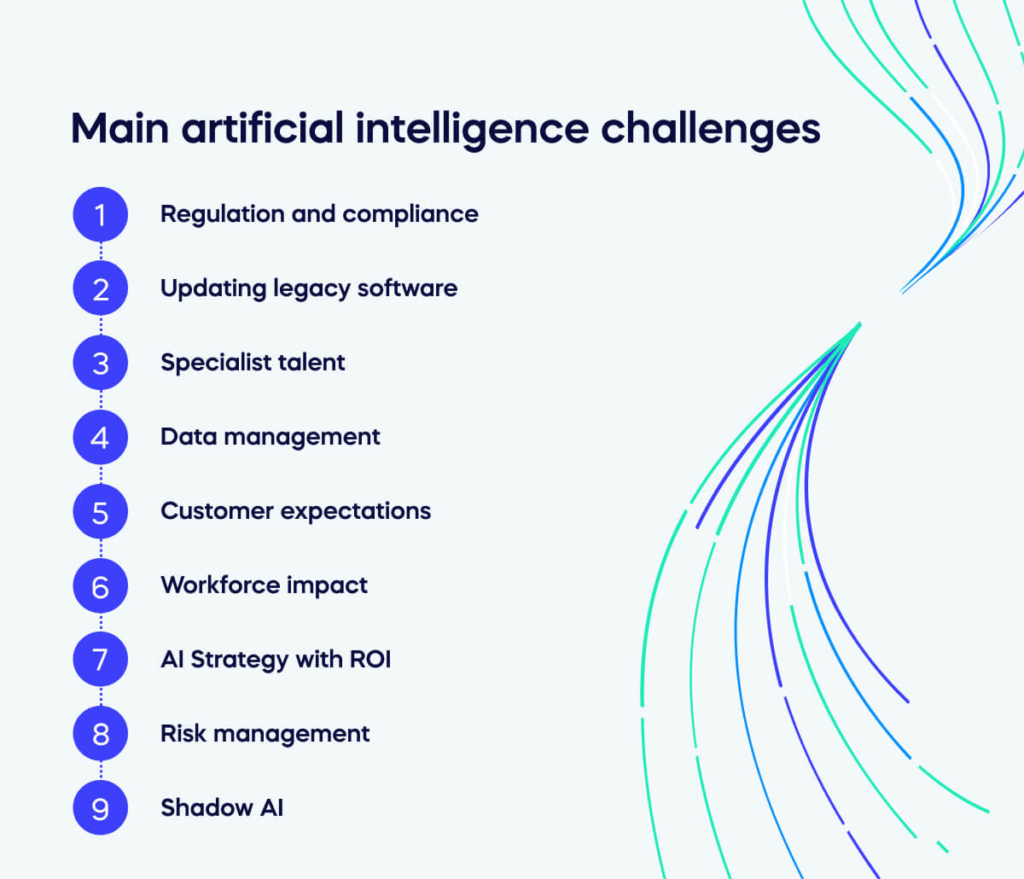
One of the most pressing challenges of AI is the ethical dilemmas it raises. As AI systems become more autonomous, questions about accountability and decision-making arise. For instance, if an AI-powered vehicle causes an accident, who is responsible—the developer, the user, or the algorithm itself? This issue highlights the need for clear ethical guidelines and frameworks that govern AI behavior. Additionally, biases embedded in AI algorithms can lead to unfair outcomes, particularly in areas like hiring, law enforcement, and lending. These biases often stem from the data used to train AI models, which may reflect historical prejudices. Addressing these ethical concerns requires ongoing efforts to ensure transparency, fairness, and inclusivity in AI development.
Job Displacement and Economic Impact
Another significant challenge is the potential for AI to displace jobs and disrupt traditional employment structures. While AI can increase efficiency and reduce costs, it also threatens to render certain jobs obsolete, particularly those involving repetitive tasks. This shift could exacerbate income inequality and create economic instability for workers in affected industries. To mitigate this, societies must invest in retraining programs and education initiatives that equip individuals with skills relevant to the evolving job market. Furthermore, policies such as universal basic income (UBI) have been proposed as potential solutions to support those displaced by automation. Balancing the benefits of AI-driven productivity with the need for economic stability remains a critical challenge for policymakers and businesses alike.
Privacy and Data Security Concerns
As AI systems rely heavily on data, privacy and data security have become major concerns. The collection and analysis of vast amounts of personal information raise questions about how this data is stored, used, and protected. Breaches of sensitive data can lead to identity theft, financial fraud, and other serious consequences. Moreover, the use of AI in surveillance technologies has sparked debates about government and corporate overreach. Ensuring robust data protection measures and implementing strict regulations on data usage are essential steps in safeguarding individual privacy. Public awareness and informed consent also play a vital role in empowering individuals to make decisions about their data.
Legal and Regulatory Frameworks
The legal landscape surrounding AI is still in its infancy, creating uncertainty about how to regulate its use effectively. Existing laws were not designed with AI in mind, leading to gaps in oversight and enforcement. For example, intellectual property rights for AI-generated content remain unclear, and there are no universally accepted standards for AI safety and reliability. Developing comprehensive legal frameworks that address these issues is essential to ensure that AI is used responsibly and ethically. International cooperation will also be necessary to harmonize regulations and prevent the misuse of AI across borders.
Social and Cultural Implications
Beyond technical and legal challenges, AI also has profound social and cultural implications. The increasing reliance on AI in decision-making processes can erode human judgment and autonomy, particularly in areas like criminal justice and healthcare. There is also the risk of AI deepening societal divides, as access to advanced technologies may be unevenly distributed. Addressing these issues requires fostering public dialogue and ensuring that diverse perspectives are included in AI governance. Promoting digital literacy and encouraging critical thinking about AI's role in society can help individuals navigate the complexities of this rapidly evolving technology.
The Path Forward
Despite these challenges, the potential benefits of AI are undeniable. From improving medical diagnoses to enhancing environmental sustainability, AI offers opportunities to solve some of the world's most pressing problems. However, realizing these benefits requires a proactive approach to addressing the challenges outlined above. Collaboration among governments, businesses, and civil society is essential to create a future where AI serves the common good. By prioritizing ethics, equity, and transparency, society can harness the power of AI while mitigating its risks.


Comments
Post a Comment