The Smart Home Revolution: A Comprehensive Guide to Choosing the Right Ecosystem and Devices
The smart home has become a buzzword in modern living, promising convenience, security, and efficiency. But what exactly does it mean to have a smart home? At its core, a smart home is a place that anticipates your needs and empowers you to fine-tune your environment. However, navigating the complex landscape of smart-home devices and ecosystems can be overwhelming. With numerous options available, it's essential to understand the key players and how they fit into your lifestyle.
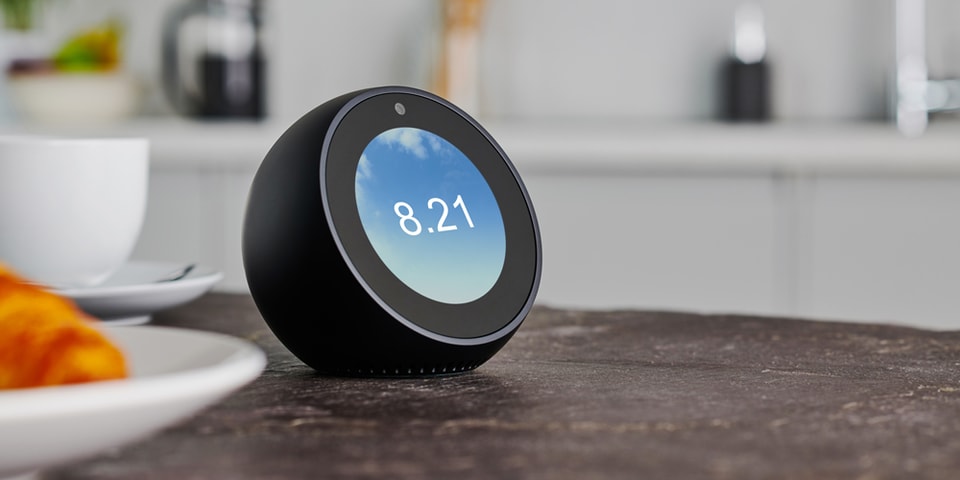
First, Pick Your Ecosystem
Before diving into the world of smart home devices, it's crucial to choose an ecosystem that aligns with your existing technology and preferences. There are three main ecosystems to consider: Google Home, Amazon Alexa, and Apple HomeKit.
-
Google Home: Known for its robust voice assistant, Google Assistant, which excels in understanding complex commands and conversational interactions. If you're an Android user, Google Home is a natural choice. The Google Home app provides quick access to smart-home shortcuts and integrates seamlessly with other Google services.
-
Amazon Alexa: With a wide range of compatible products, Alexa is a versatile option. Its Skills feature allows for extensive customization, and its affordable speakers and smart displays make it accessible for many users. However, its accuracy in answering questions may not match Google's.
-
Apple HomeKit: Ideal for iPhone owners, HomeKit offers a secure and user-friendly experience. While it has fewer compatible devices compared to Alexa or Google Assistant, major brands support it, and its focus on privacy is a significant advantage. However, it requires a HomeKit hub for remote control.
Choosing the right ecosystem sets the foundation for a seamless smart home experience.
Our Top Picks For Smart Home Devices
Once you've selected your ecosystem, the next step is to choose the right devices. Here are some top picks that offer exceptional value and functionality:
- Amazon Smart Plug – Best Smart Plug
- Features: Turns non-Internet-connected devices into smart devices, compact design, easy setup, integrates with Alexa.
-
Drawbacks: Doesn't work with Google Assistant or Apple HomeKit, only works with mechanical switches.
-
Nest Wi-Fi Router and Point – Best Wi-Fi Router
- Features: Simple installation, doubles as a smart speaker, strong router performance, user-friendly app.
-
Drawbacks: Expensive, lacks advanced customization features, no Ethernet ports.
-
Vivint – Best Smart Home Security System
- Features: Integrates with Alexa and Google Assistant, wide range of high-end equipment, user-friendly app.
-
Drawbacks: Expensive, long-term contracts, professional installation required.
-
Amazon Echo Show 5 – Best Smart Home Device for Cooking
- Features: Affordable, digital cookbook, integrates with Alexa, entertainment features.
-
Drawbacks: Frequent advertising, no voice control for non-Apple music services.
-
Nest Protect – Best Smart Home Device for Monitoring Smoke and Carbon Monoxide
- Features: Remote monitoring, heat and humidity sensors, fast detection.
-
Drawbacks: Expensive, only integrates with Google Assistant.
-
Wyze Cam – Best Smart Home Device for Home Security
- Features: Affordable without lacking in features, high-quality video, integrates with Alexa, Google Assistant, and IFTTT.
-
Drawbacks: No artificial intelligence, sometimes loses Wi-Fi connection.
-
eufy Smart Scale – Best Smart Home Device for Health Tracking
- Features: User-friendly app, integrates with Apple Health app, tracks health of up to 20 users.
-
Drawbacks: Inconsistent app connection, collects personal data.
-
Philips Hue Lighting – Best Smart Home Device for Automated Lighting
- Features: White and color ambiance lighting, integrates with Alexa and Google Assistant.
-
Drawbacks: Expensive, must be plugged in.
-
Apple HomePod – Best Smart Home Device for Listening to Music
- Features: Siri-enabled, high-quality speakers, sleek design.
- Drawbacks: Expensive, only works with Apple devices.
Additional Smart Home Devices
Beyond the top picks, there are other devices worth considering:
-
Nest Hub (Second-Generation): A Google-powered smart display with a 7-inch screen, ideal for digital photo frames and streaming services. It also tracks sleep patterns if you opt in.
-
Nest Hub Max: Offers a camera for video calls and Face Match features, making it a great choice for families who want personalized experiences.
These devices enhance the smart home experience by providing additional functionalities like media playback, video calls, and personalized interactions.
Conclusion
Creating a smart home involves careful consideration of ecosystems and devices that align with your lifestyle and preferences. By choosing the right ecosystem and integrating complementary devices, you can enjoy a more convenient, secure, and efficient living space. Whether you're looking to automate your lighting, monitor your home security, or simply enjoy better music quality, there's a smart home solution for everyone. As technology continues to evolve, the possibilities for smart homes will only expand, making it an exciting time to explore this innovative space.


Comments
Post a Comment