The Rise of IoT: Transforming Industries and Everyday Life in the United States
The Internet of Things (IoT) is no longer a futuristic concept—it's a reality that's reshaping industries, cities, and daily life across the United States. With over 15 billion active IoT devices globally as of now, the technology is driving innovation at an unprecedented pace. From smart homes to industrial automation, IoT is creating a more connected, efficient, and data-driven world. This article explores the most significant applications of IoT in the U.S., highlighting how it's transforming sectors like healthcare, retail, agriculture, and urban infrastructure.
The Growing Impact of IoT in the U.S.
The IoT market in the United States is experiencing exponential growth, with global IoT spending projected to reach $1.1 trillion by 2023. This surge is driven by advancements in connectivity, cloud computing, and artificial intelligence. As more devices become internet-connected, the potential for IoT to improve efficiency, reduce costs, and enhance user experiences continues to expand.
In the U.S., IoT is being adopted across various sectors. According to market research, the number of IoT-connected devices is expected to surpass 16 billion by 2023. This growth underscores the importance of understanding the key applications of IoT and their impact on different industries.
Key IoT Applications Shaping the Future
1. Smart Cities
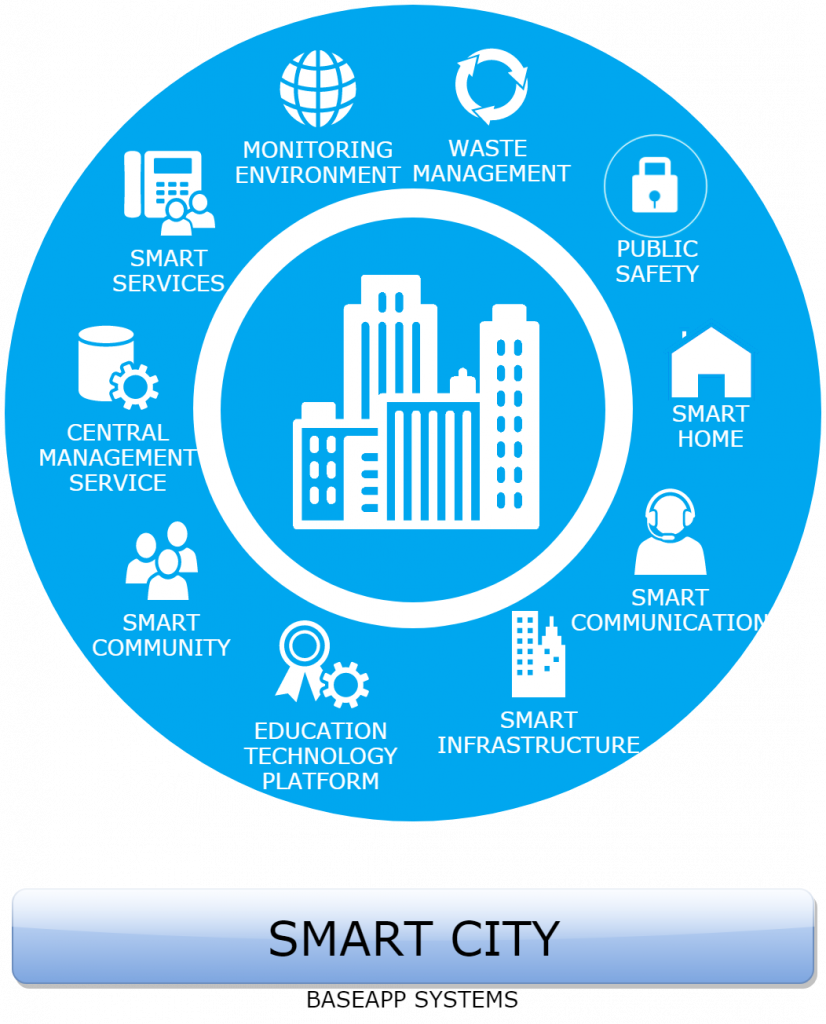
Smart cities are one of the most transformative applications of IoT in the U.S. By integrating sensors, cameras, and data analytics, cities can optimize resource use, improve public services, and enhance the quality of life for residents. For example, smart traffic systems use real-time data to manage congestion, while smart grids monitor energy consumption to reduce waste.
2. Smart Homes
The rise of smart home technologies has made everyday living more convenient and secure. Devices such as smart thermostats, security cameras, and voice-activated assistants allow homeowners to control their environment remotely. Companies like Samsung and LG have introduced smart appliances that connect to mobile devices, enabling users to monitor and manage their homes from anywhere.
3. Smart Autonomous Vehicles
Self-driving cars represent a major leap in IoT innovation. Companies like Tesla and Audi are leveraging IoT to develop vehicles that can navigate roads, avoid obstacles, and optimize fuel efficiency. These vehicles rely on a network of sensors and communication systems to ensure safety and reliability.
4. Fitness Wearables
Fitness trackers and smartwatches have revolutionized personal health monitoring. Devices like Fitbit and Apple Watch collect data on physical activity, heart rate, and sleep patterns, helping users achieve their fitness goals. These wearables also enable remote health monitoring, allowing doctors to track patient progress and provide timely interventions.
5. IoT in Healthcare
Remote patient monitoring (RPM) is a critical application of IoT in healthcare. Sensors and wearable devices collect vital signs and transmit data to healthcare providers, enabling early detection of health issues. This technology is especially valuable during public health crises, as it reduces the need for in-person visits and ensures continuous care.
6. Retail IoT Applications
Retailers are using IoT to enhance customer experiences and streamline operations. RFID tags and smart shelves help track inventory in real time, while AI-powered analytics provide insights into consumer behavior. Stores like Amazon Go utilize IoT to create checkout-free shopping experiences, where customers can simply walk out with their purchases.
7. Smart Manufacturing
Industrial IoT (IIoT) is transforming manufacturing processes by enabling predictive maintenance, optimizing supply chains, and improving energy efficiency. Companies like GE Appliances and John Deere use IoT sensors to monitor equipment performance and reduce downtime. This data-driven approach leads to cost savings and increased productivity.
8. IoT in Agriculture
Smart farming solutions are revolutionizing the agricultural sector. IoT sensors monitor soil moisture, weather conditions, and crop health, providing farmers with actionable insights. Companies like John Deere and SunCulture offer precision farming tools that help increase yields and reduce resource waste.
9. Smart Grids
Smart grids use IoT to improve energy distribution and management. By collecting data on energy consumption, utilities can predict demand, prevent outages, and optimize power generation. This technology supports the integration of renewable energy sources and promotes sustainability.
10. Connected Security Systems
IoT-enabled security systems are enhancing home and business safety. Devices like smart locks, surveillance cameras, and alarm systems provide real-time monitoring and alerts. Companies like Wyze and Verkada offer advanced security solutions that protect against intrusions and threats.
Real-World Examples of IoT in Action
Several U.S. companies are leading the way in IoT adoption. DHL uses IoT sensors to track shipments and monitor environmental conditions. Tesla’s vehicles leverage IoT for connectivity and autonomous features. In healthcare, Endotronix provides IoT-based heart monitors that improve patient care. These examples highlight the diverse applications of IoT and its potential to drive innovation across industries.
Conclusion
The Internet of Things is reshaping the United States in profound ways. From smart cities and autonomous vehicles to healthcare and agriculture, IoT is driving efficiency, sustainability, and convenience. As the number of connected devices continues to grow, the impact of IoT will only become more significant. Understanding these applications is essential for businesses, consumers, and policymakers alike, as they navigate the opportunities and challenges of this rapidly evolving technology.
For more information on IoT and its role in shaping the future, visit 101blockchains.com.


Comments
Post a Comment