The Rise of Industrial IoT: Transforming Industries and Driving Innovation
The Internet of Things (IoT) has evolved from a concept into a powerful tool that is reshaping industries across the globe. Among its many branches, Industrial IoT (IIoT) stands out as a critical driver of efficiency, productivity, and profitability in the manufacturing and industrial sectors. By connecting devices, machinery, and sensors to the internet, IIoT enables real-time data collection, analysis, and application, allowing businesses to make informed decisions and optimize operations. As this market continues to expand, companies are increasingly adopting IIoT to stay competitive in an ever-evolving landscape.
The Growing Importance of Industrial IoT
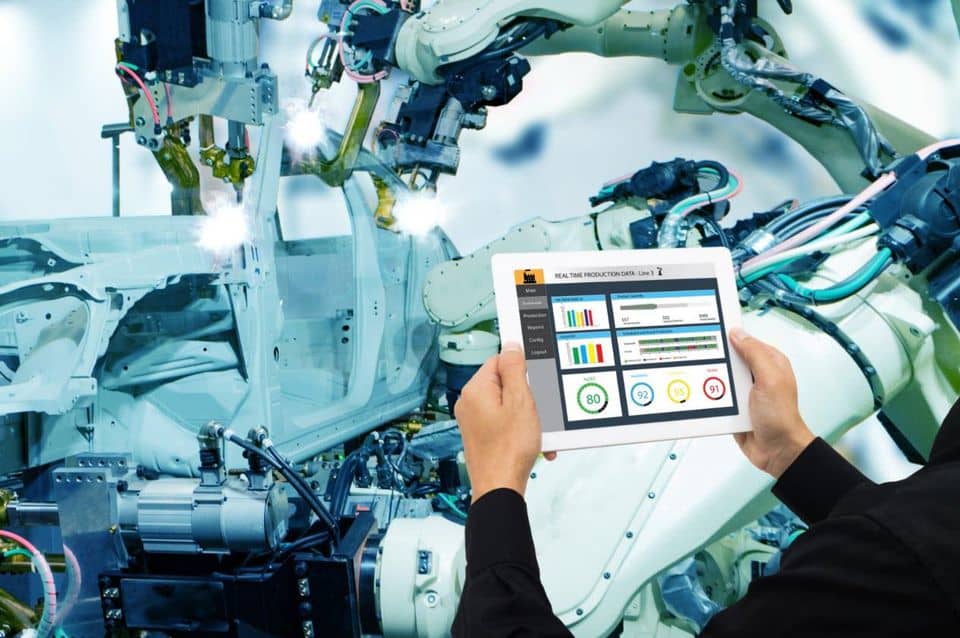
Industrial IoT is not just a trend—it’s a transformation. According to industry reports, the IIoT market is expected to grow significantly in the coming years, with investments tripling at a minimum. This growth is fueled by the need for greater operational efficiency, cost reduction, and improved decision-making through data-driven insights. Companies that embrace IIoT can gain a significant edge over their competitors by leveraging real-time monitoring, predictive maintenance, and automation.
One of the key factors driving this shift is the increasing availability of advanced analytics tools and cloud computing platforms. These technologies enable businesses to process vast amounts of data generated by connected devices, turning raw information into actionable intelligence. As more organizations recognize the value of IIoT, the adoption rate continues to rise, making it a cornerstone of modern industrial strategy.
Key Applications of Industrial IoT
There are numerous applications of IIoT that are revolutionizing how industries operate. From remote equipment management to supply chain optimization, these applications offer tangible benefits that enhance productivity and reduce downtime. Let's explore some of the most impactful IIoT applications:
1. Automated and Remote Equipment Management
IIoT allows for centralized control and monitoring of industrial equipment, enabling businesses to manage multiple facilities from a single location. This capability is particularly useful for companies with geographically dispersed operations, as it provides real-time visibility into production processes. By analyzing historical data, companies can identify trends and make adjustments to improve efficiency and reduce costs.
2. Predictive Maintenance
Predictive maintenance is one of the most effective IIoT applications. By using sensors to monitor machine performance, companies can detect potential issues before they lead to costly breakdowns. This proactive approach minimizes downtime and extends the lifespan of equipment. For example, sensors can track temperature, vibration, and other parameters to alert operators when a machine is at risk of failure.
3. Faster Implementation of Improvements
IIoT generates valuable data that can be used to identify areas for improvement. Engineers and managers can access this data in real time, allowing them to make rapid adjustments to processes and systems. This agility is crucial in today's fast-paced industrial environment, where delays can have significant financial implications.
4. Pinpoint Inventory Management
Automated inventory tracking is another key application of IIoT. By using sensors and RFID technology, companies can monitor stock levels in real time and receive alerts when inventory falls below a certain threshold. This ensures that production lines remain stocked and reduces the risk of supply chain disruptions.
5. Quality Control
Quality control is essential in industries such as pharmaceuticals and food manufacturing, where even minor deviations can have serious consequences. IIoT enables continuous monitoring of products throughout the production process, from raw materials to finished goods. This level of oversight helps identify defects early, ensuring that only high-quality products reach the market.
6. Supply Chain Optimization
IIoT enhances supply chain visibility by providing real-time data on the status of shipments, inventory levels, and production schedules. This information allows companies to respond quickly to changes in demand or unexpected disruptions, improving overall efficiency and customer satisfaction.
7. Plant Safety Improvement
Safety is a top priority in industrial environments, and IIoT plays a crucial role in enhancing workplace safety. By monitoring environmental conditions, equipment performance, and worker health, companies can identify and mitigate potential hazards. This not only protects employees but also reduces the risk of costly accidents and regulatory violations.
Choosing the Right IIoT Platform
With so many IIoT applications available, selecting the right platform is essential. Platforms like Nexus Integra offer comprehensive solutions that integrate data from various sources, providing businesses with a unified view of their operations. These platforms are designed to be user-friendly, allowing teams to implement IIoT without requiring extensive technical expertise.
The implementation process typically involves several stages, including initial consultations, system integration, and staff training. By following a structured approach, companies can ensure a smooth transition to IIoT and maximize the benefits of this transformative technology.
Conclusion
Industrial IoT is no longer a futuristic concept—it’s a reality that is reshaping industries worldwide. From predictive maintenance to supply chain optimization, IIoT offers a wide range of applications that drive efficiency, reduce costs, and enhance decision-making. As the market continues to grow, businesses that embrace IIoT will be well-positioned to thrive in an increasingly competitive landscape. With the right tools and strategies, the future of industrial operations is bright, connected, and smarter than ever before.


Comments
Post a Comment