The Rise of Edge Data Centres and Digital Infrastructure Providers in India
In the rapidly evolving digital landscape of India, the emergence of edge data centres is reshaping the way data is processed and delivered. As the country's digital ecosystem expands exponentially, these smaller, decentralised data centres are becoming a critical component of the infrastructure. Unlike traditional core data centres that rely on long-distance backhaul connections, edge data centres bring computing power closer to end-users, significantly reducing latency and improving efficiency.
This shift towards edge computing is not only driven by technological advancements but also by the increasing demand for real-time applications such as autonomous vehicles, the Internet of Things (IoT), and cloud services. These technologies require quick and uninterrupted data transfer, making proximity a key factor in data processing. As a result, the need for efficient, localised data processing has never been more pressing.
The Role of Tower Companies and Optical Fibre Cable Providers
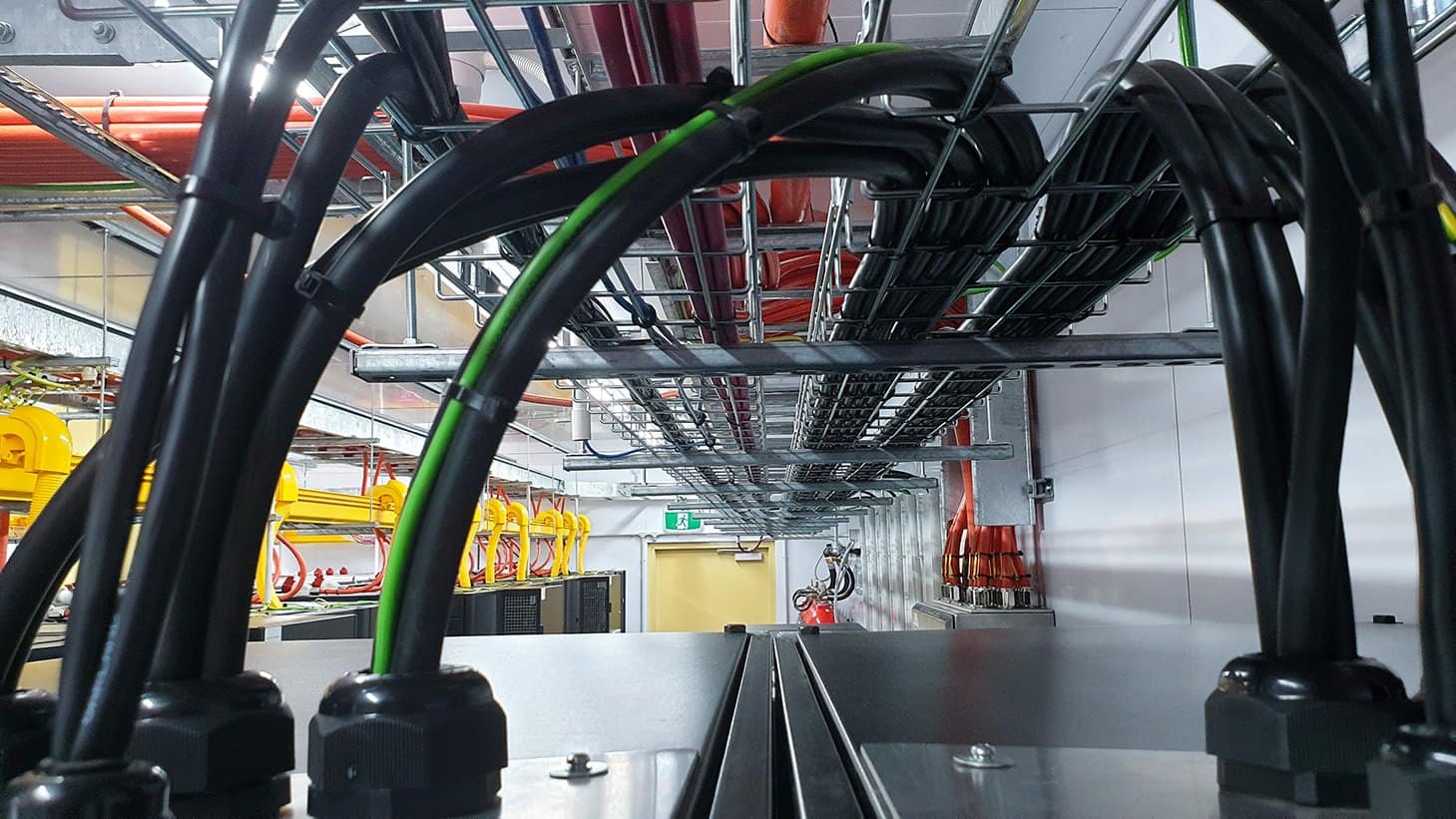
Tower companies, or towercos, are playing a pivotal role in this transformation. With their extensive pan-India presence, they are well-positioned to host edge data centres, repurposing their existing infrastructure to meet the growing demands of industries reliant on cutting-edge technologies. This strategic move not only optimises resource utilisation but also supports the development of a more distributed digital infrastructure.
Similarly, optical fibre cable (OFC) providers are expanding their services to cater to the specific requirements of data centre service providers. Traditionally focused on telecom infrastructure, these providers are now contributing to the broader digital infrastructure ecosystem by repurposing their existing deployments. This shift allows them to play a key role in enabling faster, more reliable data transmission, which is essential for supporting the next generation of digital services.
The Importance of Digital Infrastructure Providers
Digital infrastructure providers (DIPs) are at the forefront of this evolution, ensuring that data flows seamlessly from the point of generation to back-end servers. Their role is crucial in enabling the smooth operation of data centres, particularly in an environment where space constraints, electricity connections, and cooling systems pose significant challenges.
Both telecom service providers and data centre providers face similar hurdles, including finding adequate space, managing complex electricity connections, and maintaining efficient cooling systems. Protecting infrastructure from vandalism and theft remains a constant concern. However, telecom infrastructure providers, with their extensive experience in handling these operational complexities, are well-equipped to manage these challenges. Approximately one-third of their workforce is dedicated to securing locations, ensuring power supply, and overseeing the maintenance of critical infrastructure.
Embracing Sustainable Solutions
As India continues to expand its digital infrastructure, the need for sustainable, energy-efficient solutions is becoming increasingly urgent. Telecom infrastructure providers are playing a vital role in ensuring the provision of green, uninterrupted power. The Green Energy Open Access policy, which has reduced the open access transaction limit from 1 MW to 100 kW, marks a significant step towards sustainability. This policy is expected to encourage the proliferation of green energy sources, thereby reducing the environmental impact of data centres and telecom infrastructure.
Government's Role in Facilitating Growth
While the private sector is driving much of the innovation, the government also has a critical role to play in facilitating the growth of the data centre industry. For instance, allowing private sector players access to data on the Gati Shakti portal can provide valuable insights into data infrastructure, such as land availability, power grids, and fibre cables. This information can enable the timely and cost-effective establishment of plug-and-play data centres, accelerating the development of the sector.
The Future of Digital Transformation
Looking ahead, the integration of microfactories and digital transformation is set to revolutionise India’s Fast-Moving Consumer Goods (FMCG) sector. Microfactories, small-to-medium manufacturing facilities powered by advanced technologies like AI, offer new levels of flexibility and scalability. They can be deployed closer to the point of demand, reducing logistics costs and lead times while addressing the demand-supply gap in the FMCG market.
Digital transformation, driven by AI and automation, is also playing a crucial role in enhancing operational efficiency. By integrating smart technologies and data-driven processes, microfactories are redefining the manufacturing ecosystem, unlocking new possibilities for industries worldwide.
Conclusion
In summary, the role of digital infrastructure providers is essential in ensuring that India’s data centres can meet the rising demands of a 5G-powered world. From repurposing existing assets to supporting green energy initiatives and promoting the growth of edge data centres, DIPs are at the forefront of India’s digital transformation. Further cross-sectoral collaboration will be key to unlocking additional use cases and accelerating data centre development across the country.


Comments
Post a Comment