The Rise of Edge Computing: Transforming Data Processing in the Modern Era
In today's rapidly evolving technological landscape, the exponential growth of Internet of Things (IoT) devices and the expansion of 5G networks have led to an unprecedented surge in data generation. This data deluge poses significant challenges for traditional computing models, as centralized cloud infrastructures struggle to keep up with the sheer volume and complexity of information being produced. Enter edge computing—a revolutionary approach that is redefining how businesses process and analyze data.
What is Edge Computing?
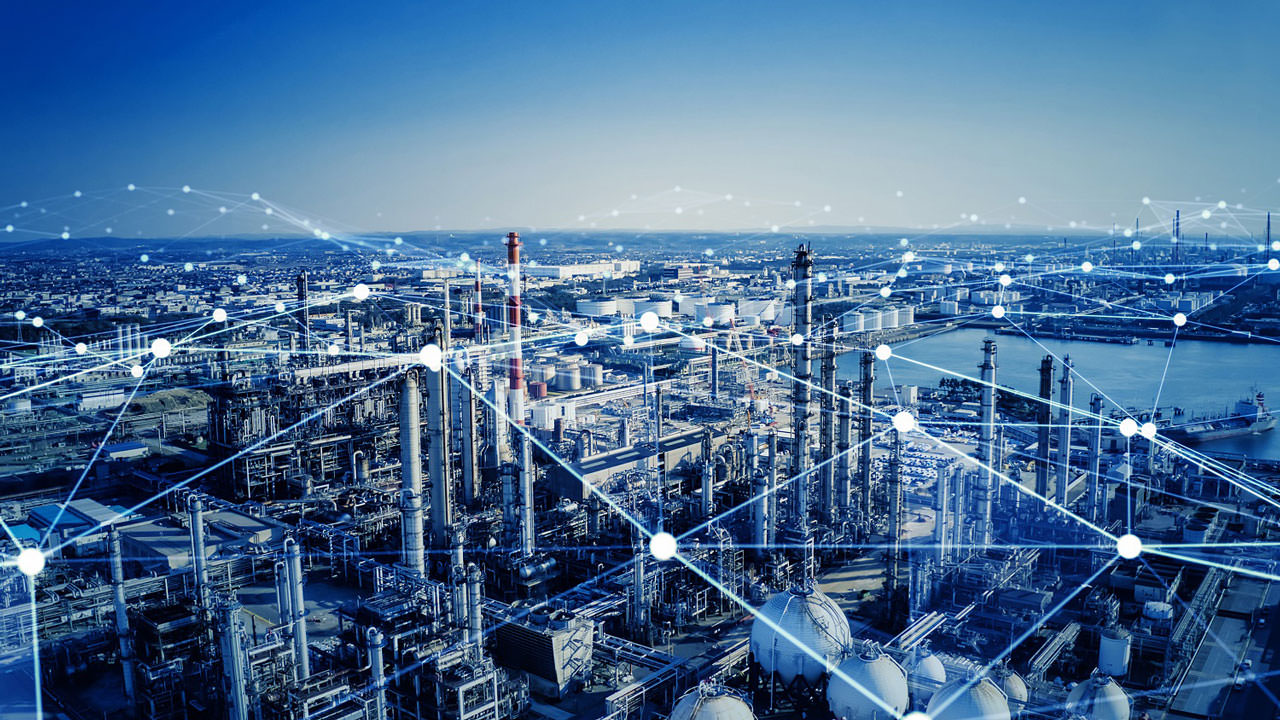
Edge computing is a distributed IT architecture that brings data processing closer to the source of data generation. Instead of transmitting all data to a centralized cloud or data center, edge computing processes and analyzes data at the "edge" of the network—where the data is actually created. This localized approach minimizes latency, reduces bandwidth usage, and enhances real-time decision-making capabilities.
Key Benefits of Edge Computing
-
Reduced Latency and Increased Speed
In industries where milliseconds can make a difference, such as manufacturing or autonomous vehicles, edge computing ensures that critical data is processed instantly. For example, a robotic machine on a factory floor can receive immediate instructions to shut down if it detects a safety hazard, preventing potential accidents. -
Improved Data Security
By processing data locally, edge computing reduces the risk of sensitive information being intercepted during transmission. Organizations can also comply with data sovereignty laws, such as the General Data Protection Regulation (GDPR), by keeping data within its geographical boundaries. -
Enhanced Productivity
With faster access to actionable insights, enterprises can optimize operations, automate tasks, and improve customer experiences. For instance, retail businesses can use edge computing to analyze real-time sales data and adjust inventory levels accordingly. -
Remote Data Collection
Edge computing enables efficient data collection from remote or hard-to-reach locations, such as offshore oil rigs or agricultural fields. This capability is crucial for industries that rely on real-time monitoring and analysis. -
Cost Savings
Transmitting large volumes of data over long distances is expensive. Edge computing reduces this burden by only sending critical data to the cloud, significantly lowering operational costs. -
Reliable Performance
Even in areas with unreliable internet connectivity, edge computing ensures that data is processed and stored locally, minimizing the risk of operational downtime.
Edge vs. Cloud vs. Fog Computing
While edge computing is often compared to cloud and fog computing, each has distinct characteristics:
- Cloud Computing: Centralized storage and processing resources located in distant data centers. While scalable, it may not be suitable for time-sensitive applications due to latency issues.
- Fog Computing: A hybrid model that extends cloud computing to the edge of the network, allowing for more localized data processing. It is ideal for large-scale deployments like smart cities.
- Edge Computing: Focuses on processing data at the point of origin, offering the lowest latency and highest responsiveness.
Real-World Applications of Edge Computing
Edge computing is already making waves across various industries:
- Manufacturing: Companies are using edge computing to monitor production lines in real time, detect anomalies, and improve product quality.
- Agriculture: Smart farms leverage edge computing to track environmental conditions and optimize crop yields.
- Healthcare: Medical devices generate vast amounts of patient data, which edge computing helps analyze to provide timely interventions.
- Transportation: Autonomous vehicles rely on edge computing to process sensor data and make split-second decisions.
- Retail: Retailers use edge computing to enhance customer experiences through personalized marketing and real-time inventory management.
Challenges of Edge Computing
Despite its advantages, edge computing presents several challenges:
- Limited Capability: Edge devices often have less computational power than cloud servers, requiring careful planning to ensure they meet performance requirements.
- Connectivity Issues: While edge computing reduces dependency on the cloud, some level of connectivity is still necessary for data transmission and updates.
- Security Concerns: With more devices at the edge, the attack surface increases, necessitating robust security measures.
- Data Management: Managing the lifecycle of data generated at the edge requires strategies to determine what data to retain and what to discard.
Implementing Edge Computing
Implementing edge computing involves several key steps:
- Define Business Objectives: Understand the specific problems you aim to solve, such as reducing latency or improving data security.
- Choose the Right Hardware and Software: Select reliable edge devices and software tools that support your business needs.
- Plan for Scalability: Ensure your edge infrastructure can grow and adapt as your data demands increase.
- Ensure Security and Compliance: Implement strong security protocols and adhere to data protection regulations.
- Monitor and Maintain: Regularly monitor edge deployments and perform maintenance to ensure optimal performance.
The Future of Edge Computing
As IoT devices continue to proliferate and 5G networks expand, edge computing is poised to become even more critical. Businesses that embrace this technology will gain a competitive edge by enabling faster decision-making, improved efficiency, and enhanced customer experiences.


Comments
Post a Comment