The Rise of Edge Computing: Transforming Data Processing in the Digital Age
In an era where data is the lifeblood of innovation, the exponential growth of connected devices has created a pressing need for more efficient computing solutions. The rise of the Internet of Things (IoT), 5G networks, and cloud computing has led to an unprecedented surge in data generation. This deluge of information poses significant challenges for traditional centralized systems, which struggle to keep up with the volume, speed, and complexity of modern data flows. Enter edge computing—a revolutionary approach that brings computation and data storage closer to the source, offering faster response times, reduced latency, and enhanced efficiency.
Understanding Edge Computing
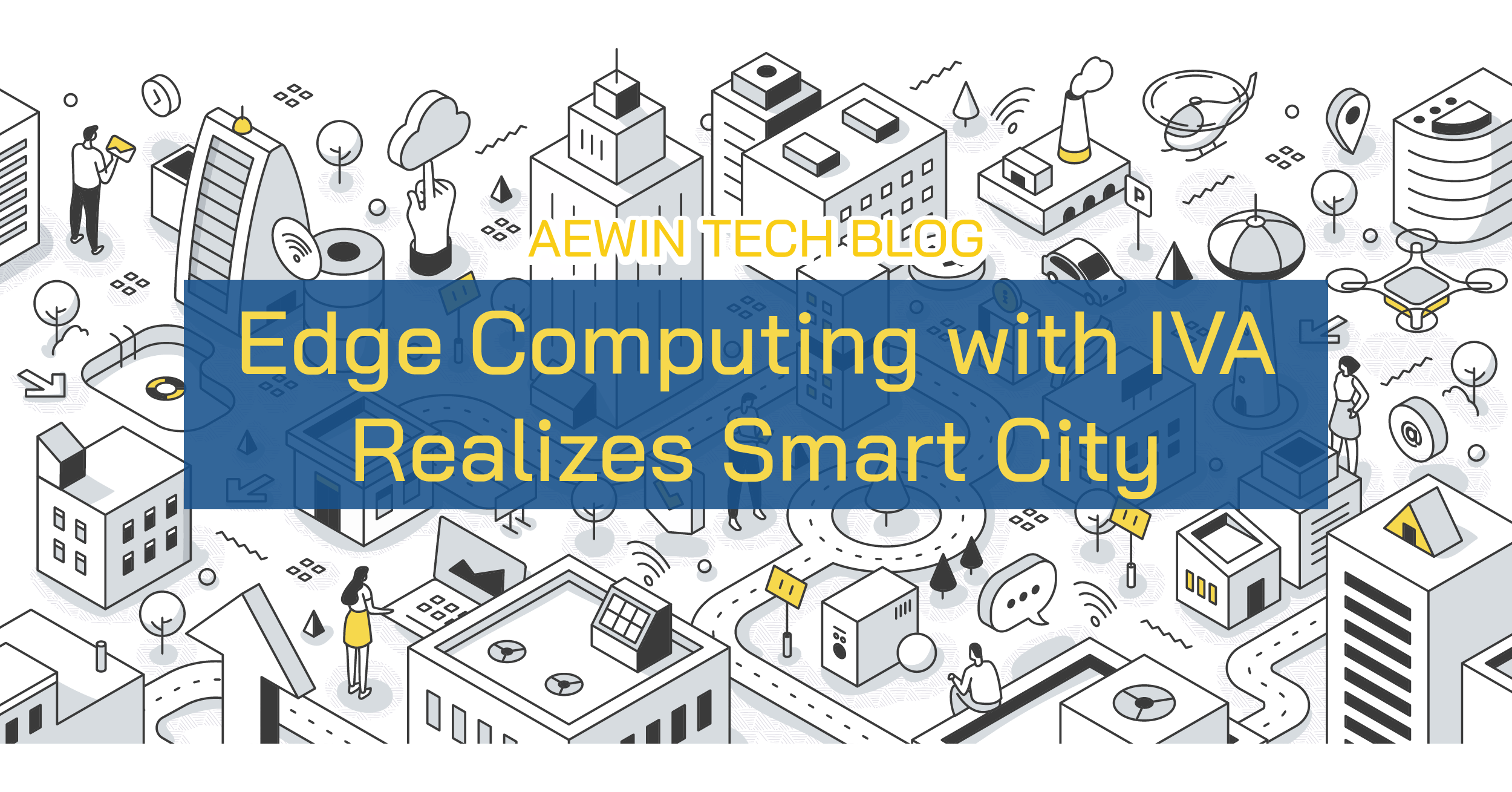
Edge computing is a distributed computing paradigm that shifts processing power from centralized data centers to the "edge" of the network, where data is generated. Instead of sending all raw data to a distant cloud or data center, edge computing processes it locally, often on the device itself or within a nearby node. This localized approach minimizes the need for long-distance data transmission, reducing bandwidth usage and improving real-time decision-making capabilities.
The concept of edge computing isn’t entirely new. It traces its roots back to the 1990s, when content delivery networks (CDNs) were used to deliver web content more efficiently by caching data closer to end-users. Over time, this idea evolved into a broader framework that includes IoT, mobile edge computing, and fog computing. Today, edge computing is at the forefront of technological advancements, enabling industries to harness the power of real-time analytics and automation.
Key Benefits of Edge Computing
-
Reduced Latency: By processing data locally, edge computing significantly cuts down the time it takes for data to travel between devices and servers. This is critical for applications like autonomous vehicles, where split-second decisions can mean the difference between safety and danger.
-
Bandwidth Optimization: Sending massive volumes of data over long distances consumes valuable bandwidth. Edge computing filters and processes data at the source, transmitting only essential insights to the cloud, thereby conserving network resources.
-
Enhanced Privacy and Security: With data processed closer to its origin, sensitive information is less exposed to potential breaches during transit. This makes edge computing a preferred choice for industries dealing with confidential data, such as healthcare and finance.
-
Improved Reliability: In environments with unreliable connectivity, edge computing ensures that critical operations continue without interruption. For example, a voice assistant in a remote location can still function even if the internet connection is lost.
-
Scalability: Edge computing allows organizations to scale their operations efficiently by distributing workloads across multiple nodes. This flexibility is particularly beneficial for large-scale deployments like smart cities and industrial automation.
Applications of Edge Computing
The versatility of edge computing has made it a game-changer across various sectors:
-
Manufacturing: Smart factories use edge computing to monitor production lines in real time, detect anomalies, and optimize efficiency. Sensors embedded in machinery provide continuous feedback, enabling predictive maintenance and reducing downtime.
-
Healthcare: Medical devices equipped with edge computing capabilities can analyze patient data on-site, allowing for immediate interventions. This is especially crucial in emergency situations where every second counts.
-
Transportation: Autonomous vehicles rely heavily on edge computing to process sensor data and make real-time decisions. By analyzing traffic conditions and obstacles locally, these vehicles can respond faster than traditional systems.
-
Retail: Retailers leverage edge computing to enhance customer experiences through personalized recommendations and real-time inventory management. Cameras and sensors in stores can track shopper behavior and adjust stock levels accordingly.
-
Agriculture: Smart farming technologies use edge computing to monitor soil conditions, weather patterns, and crop health. This data-driven approach helps farmers maximize yields while minimizing resource waste.
Challenges and Considerations
Despite its advantages, edge computing is not without its challenges. Organizations must address issues such as limited computational resources, security vulnerabilities, and the complexity of managing distributed systems. Additionally, ensuring consistent connectivity and maintaining the reliability of edge nodes are critical factors in successful deployment.
Another concern is the data lifecycle. With vast amounts of data being generated, companies need robust strategies to determine what data to retain, how long to store it, and when to discard it. Proper data governance is essential to avoid unnecessary costs and compliance risks.
Security remains a top priority, especially with the proliferation of IoT devices, many of which are inherently vulnerable. Implementing strong encryption, regular software updates, and secure communication protocols is crucial to safeguarding edge environments.
The Future of Edge Computing
As 5G networks continue to expand and IoT adoption accelerates, the role of edge computing will only grow. Industry leaders are investing heavily in edge infrastructure, recognizing its potential to drive innovation and improve operational efficiency. From smart cities to industrial automation, edge computing is poised to redefine how we interact with technology.
Moreover, the integration of artificial intelligence (AI) with edge computing is opening new frontiers. Edge AI enables devices to perform complex tasks locally, such as facial recognition and natural language processing, without relying on cloud-based services. This fusion of technologies promises to unlock even greater possibilities in the years to come.
Conclusion
Edge computing represents a fundamental shift in how we manage and process data. By bringing computation closer to the source, it addresses the limitations of traditional cloud-based models and paves the way for smarter, faster, and more efficient systems. As industries embrace this transformative technology, the future of computing looks brighter than ever. Whether it's enhancing healthcare, revolutionizing transportation, or optimizing agriculture, edge computing is set to play a pivotal role in shaping the digital landscape of tomorrow.


Comments
Post a Comment