The Rise of Augmented and Virtual Reality in India: A New Era of Digital Innovation
In the rapidly evolving digital landscape, augmented reality (AR) and virtual reality (VR) are no longer just futuristic concepts—they are transforming industries across India. From e-commerce to healthcare, these technologies are redefining how businesses interact with consumers and how individuals engage with their environments. As the Indian AR/VR market continues to expand, companies are leveraging cutting-edge solutions to create immersive experiences that enhance productivity, education, and entertainment.
Understanding AR and VR: Key Differences and Applications
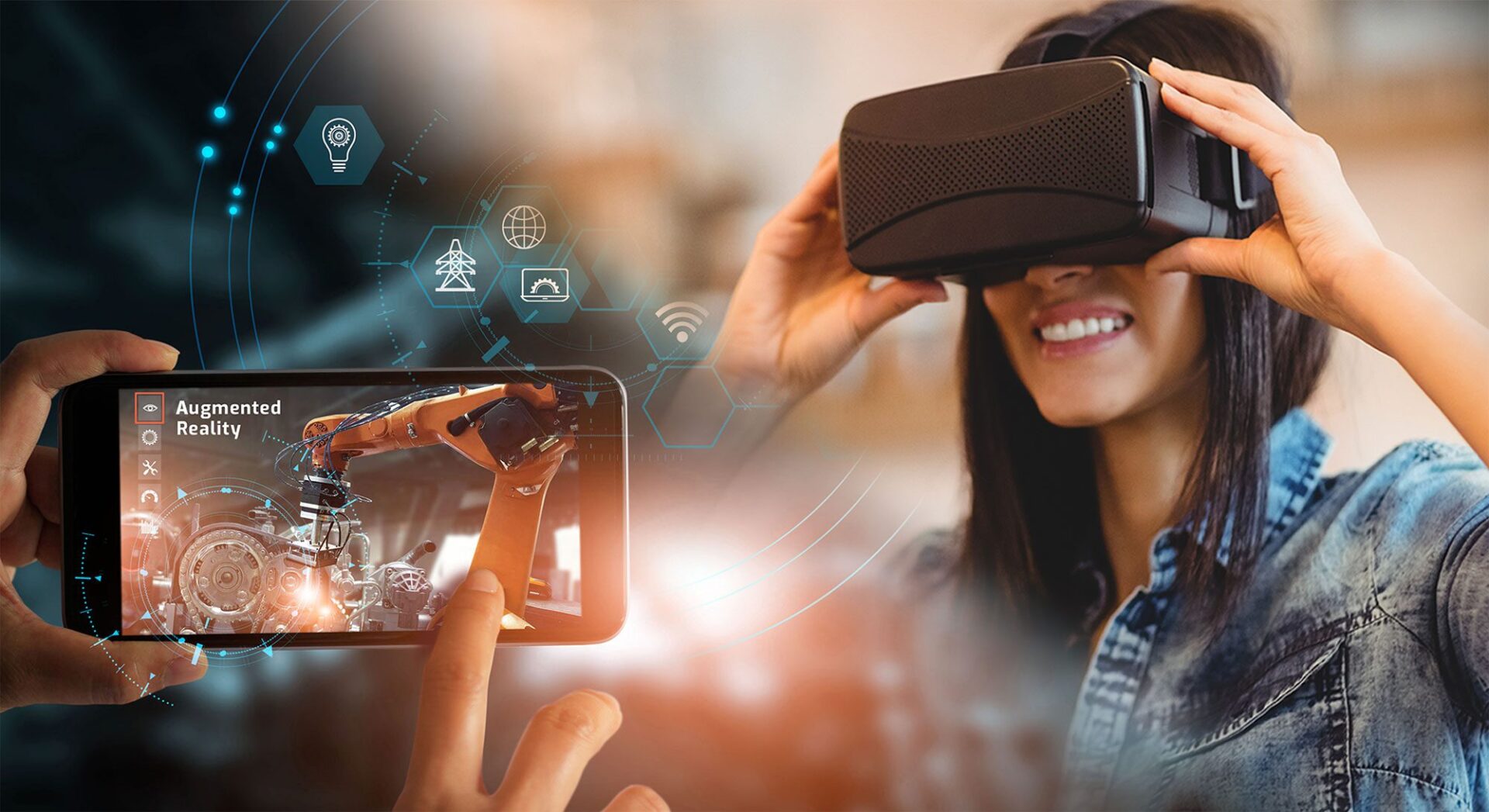
Before diving into the specifics of India's AR/VR sector, it’s essential to understand what these technologies entail. Augmented Reality (AR) overlays digital elements onto the real world, enhancing the user's perception of their surroundings. For instance, an app that lets users visualize furniture in their home before purchasing is an example of AR. On the other hand, Virtual Reality (VR) immerses users in a completely digital environment, often requiring a headset to experience a fully simulated world. While VR has seen a cooling phase, AR has gained significant traction, particularly in sectors like retail, education, and healthcare.
The distinction between the two is crucial for understanding their respective applications. AR typically works on smartphones or specialized glasses, making it more accessible for everyday use. VR, however, requires dedicated hardware such as headsets, which can be a barrier to widespread adoption. Despite this, both technologies are driving innovation, with companies in India leading the charge.
Top VR Companies in India: Pioneering Immersive Experiences
India is home to several pioneering VR companies that are pushing the boundaries of what is possible with immersive technology. These firms are not only developing advanced hardware but also creating innovative software solutions tailored to various industries.
1. Meta
As a global tech giant, Meta is at the forefront of the metaverse movement. Through its platforms like Facebook, Instagram, and WhatsApp, the company is building a future where digital interactions feel more tangible. Meta’s focus on mixed-reality solutions suggests a long-term vision where VR becomes an integral part of daily life.
2. Tata Elxsi
Specializing in custom tech solutions, Tata Elxsi offers VR services for industrial training and extended reality (XR) applications. Their work in providing immersive employee training programs highlights the practical benefits of VR in manufacturing and other high-stakes environments.
3. AjnaLens
AjnaLens develops high-performance VR headsets equipped with advanced lenses and low-latency components. Beyond the metaverse, the company’s mixed reality solutions have potential applications in defense and other critical sectors, showcasing the versatility of VR technology.
4. Simbott
Simbott is revolutionizing industrial training through VR-based welding simulations. By offering safe and effective training tools, the company is helping to reduce risks and improve skills in the manufacturing sector. Its expansion into other trades, such as spray painting and aircraft maintenance, underscores the growing demand for VR in technical fields.
5. Avataar
Avataar leverages generative AI and geospatial technology to create digital experiences for e-commerce and retail. Their platform allows customers to visualize products in their homes before making a purchase, enhancing the shopping experience and reducing return rates.
6. Imaginate
Imaginate specializes in metaverse-based training, using VR to deliver immersive learning experiences. Their work spans multiple industries, including oil and gas, healthcare, and finance, demonstrating the broad applicability of VR in professional development.
7. StreakByte
StreakByte is a full-stack VR and AR company that develops immersive games and educational content. By utilizing tools like the Unity game engine, they are creating engaging experiences that cater to both entertainment and edtech markets.
The Impact of AR on Everyday Life in India
While VR is still finding its footing, AR has already made a significant impact on consumer experiences in India. Several apps and platforms are integrating AR to enhance user engagement and provide more interactive services.
1. Lenskart
Lenskart was one of the early adopters of AR in the fashion and eyewear industry. Their "3D Try On" feature allows users to visualize different frames on their faces using their smartphone cameras. This seamless integration of AR has made online shopping for glasses more convenient and personalized.
2. CaratLane
CaratLane uses AR to let users try on jewelry virtually. Although the setup process is slightly more involved than Lenskart’s, the results are impressive, allowing customers to make informed decisions without visiting physical stores.
3. Makaan
Makaan’s AR feature, MakaanView, enables users to explore properties by pointing their phones at buildings. This innovative approach helps buyers and renters quickly assess available options and get a sense of the surrounding area.
4. SIB Mirror
South Indian Bank’s SIB Mirror app uses AR to locate ATMs and branches. This feature is particularly useful for users who need to find nearby banking facilities quickly, especially in unfamiliar areas.
5. Tinkle
Tinkle, a popular Indian comic book series, has integrated AR to offer interactive experiences. Readers can scan pages with the Blippar app to unlock games and bonus content, blending traditional media with modern technology.
The Future of AR/VR in India: Growth and Opportunities
The Indian AR/VR market is poised for exponential growth, driven by increasing smartphone penetration, improved internet connectivity, and a tech-savvy youth population. According to Research and Markets, the market is expected to grow at a compound annual growth rate (CAGR) of 38.29% to reach $14.07 billion by 2027. This growth is being fueled by investments in key sectors such as education, healthcare, retail, and gaming.
In the education sector, AR/VR is transforming learning by making it more interactive and engaging. Platforms like Byju's are leveraging these technologies to create immersive lessons that help students grasp complex concepts more effectively. In healthcare, AR-powered diagnostics and VR-based surgical training are improving patient outcomes and medical education.
The gaming industry is another major driver of AR/VR growth. With revenue projected to reach $72.8 billion by 2024, the sector is attracting significant investment and innovation. Companies like Krikey and Reliance Jio are exploring new ways to integrate AR/VR into gaming experiences, further expanding the market.
Conclusion: Embracing the Future of Technology
As AR and VR continue to evolve, their impact on India’s economy and society will only deepen. From enhancing customer experiences in retail to revolutionizing education and healthcare, these technologies are reshaping how we live and work. With a growing number of startups and established companies investing in AR/VR, the future looks promising for this dynamic sector.
For businesses and consumers alike, the key lies in embracing these innovations and leveraging them to create value. Whether it's through immersive training programs, interactive shopping experiences, or cutting-edge gaming, AR and VR are paving the way for a more connected and technologically advanced India.


Comments
Post a Comment