The Impact of Augmented and Virtual Reality on Science Education: A Comparative Study
Introduction
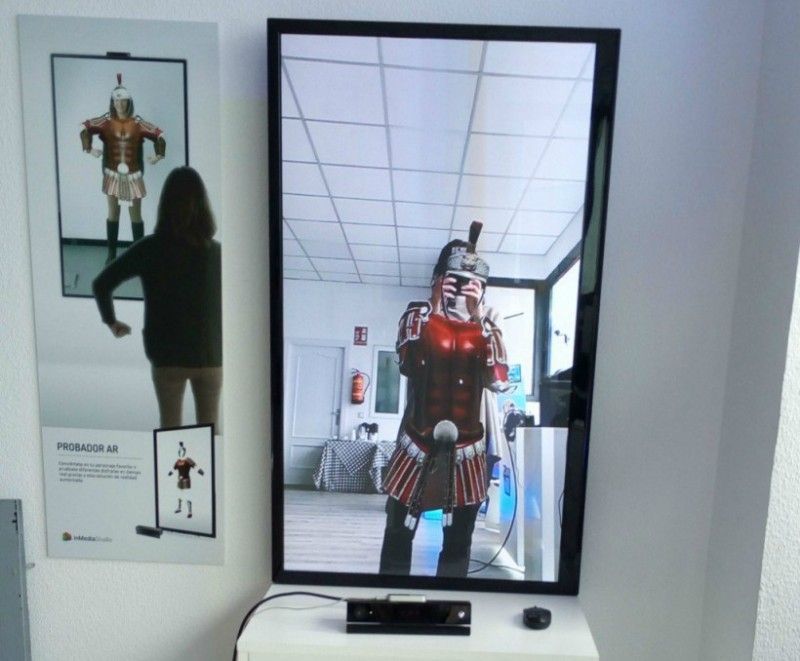
In the United States, the integration of technology into education has become a focal point for educators, researchers, and policymakers. With the widespread adoption of smartphones, augmented reality (AR) and virtual reality (VR) have emerged as powerful tools in the educational landscape. These technologies offer immersive experiences that can enhance learning outcomes, particularly in complex subjects like science. However, while AR and VR have been widely implemented in educational settings, there remains a lack of empirical research comparing their effectiveness in terms of knowledge retention.
This article explores a recent exploratory study that aimed to address this gap by comparing the impact of AR and VR on college students' science-knowledge retention. The study focused on how these technologies influence the absorption and recall of information through both auditory and visual modalities. By examining the differences between AR and VR, the findings offer valuable insights for educators seeking to optimize the use of emerging technologies in the classroom.
Understanding AR and VR Technologies
Augmented Reality (AR) and Virtual Reality (VR) are two distinct technologies with unique applications in education. AR enhances the real-world environment by overlaying digital information onto it, typically through a smartphone or tablet camera. This allows users to interact with virtual objects while still being aware of their physical surroundings. In contrast, VR creates a fully immersive digital environment that replaces the user's real-world experience with a simulated one. Users wear headsets that block out external stimuli, transporting them into a virtual space.
These differences in design and functionality lead to varying levels of engagement and cognitive load. For instance, VR is often praised for its ability to create a strong sense of presence, making users feel as though they are physically within a virtual environment. On the other hand, AR provides a more flexible experience, allowing users to maintain a connection with the real world while interacting with digital content.
The Study: Comparing AR and VR in Science Education
The study involved 109 college students who were divided into two groups: one using an AR application and the other using a VR application. Both groups were exposed to the same science content—specifically, information about the solar system—through a Samsung S4 smartphone app. The content was delivered via both auditory and visual means, and participants were later tested on their retention of the material.
The results revealed that VR provided a more immersive and engaging experience, largely due to the mechanism of spatial presence. Participants in the VR group reported feeling more "present" in the virtual environment, which enhanced their overall engagement with the material. This heightened sense of immersion may have contributed to better retention of scientific concepts.
Conversely, the AR group demonstrated a stronger ability to retain auditory information. The study suggests that this could be attributed to the increased cognitive demands associated with immersive experiences. Since AR requires users to process both real-world and digital information simultaneously, it may place greater emphasis on auditory cues, which can aid in memory retention.
Implications for Educational Design
The findings of this study have significant implications for the design of educational content. When developing materials for VR environments, it is advisable to focus on visual modalities, as the immersive nature of VR can enhance the processing and retention of visual information. In contrast, AR environments may benefit from incorporating more auditory elements, as the dual-processing demands of AR can support the retention of spoken information.
Educators should also consider the cognitive load associated with each technology. While VR offers a highly immersive experience, it may overwhelm users with sensory input, potentially hindering comprehension. AR, on the other hand, allows for a more balanced approach, enabling users to engage with content without losing touch with their physical surroundings.
Future Directions
While this study provides valuable insights into the comparative effectiveness of AR and VR in science education, further research is needed to explore these technologies across different subjects and age groups. Additionally, future studies could examine the long-term effects of AR and VR on learning outcomes, as well as the role of individual differences such as prior knowledge and learning preferences.
As AR and VR continue to evolve, their potential to transform education becomes increasingly evident. By understanding the strengths and limitations of each technology, educators can make informed decisions about how to best integrate these tools into their teaching practices.
Conclusion
The integration of AR and VR into education represents a significant shift in how students engage with learning materials. This study highlights the importance of tailoring content to the specific affordances of each technology. While VR excels in creating immersive experiences that enhance visual learning, AR offers a unique advantage in supporting auditory information retention. As educators continue to explore the possibilities of these technologies, the focus should remain on optimizing their use to improve student outcomes and foster a deeper understanding of complex subjects like science.
By leveraging the strengths of both AR and VR, educators can create dynamic and interactive learning environments that cater to diverse learning styles and needs. The future of education lies in embracing these innovations and harnessing their potential to enrich the learning experience for all students.


Comments
Post a Comment