The Future of VR Gaming: Key Trends Shaping the Industry in 2025
Virtual reality (VR) gaming is no longer a niche interest but a rapidly evolving sector that's redefining how players engage with digital worlds. As the market continues to grow, it's essential to understand the key trends driving its development. From more affordable hardware to immersive experiences and metaverse integration, the landscape of VR gaming is changing at an unprecedented pace. This article explores the most significant trends shaping the future of VR gaming in 2025.
VR Is Cheaper Than Ever
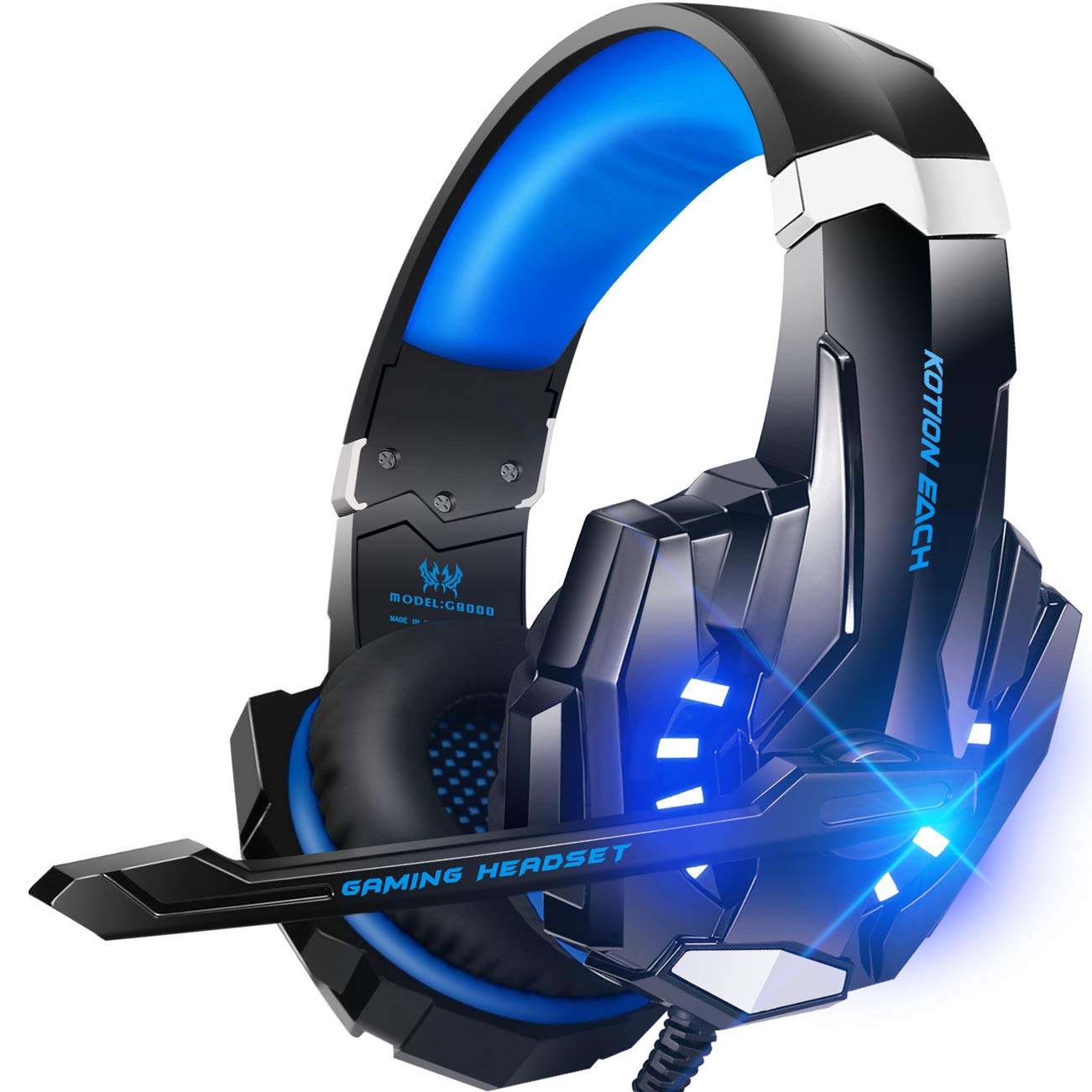
One of the most critical factors contributing to the growth of VR gaming is the decreasing cost of hardware and software. While VR was once considered a luxury, it's now more accessible than ever. Entry-level headsets are available for under $100, making it easier for casual gamers to try out the technology. However, these budget options often come with limitations in performance and features.
The Meta Quest 2 remains one of the best budget-friendly VR headsets, offering a balance between affordability and quality. Despite a price increase in 2022, it still provides an excellent experience for around $400. As production costs decrease and competition increases, we can expect even more affordable options to enter the market in the coming years.
Major Improvements in VR Experiences
Technological advancements have significantly enhanced the overall VR experience. Features like eye tracking, haptic feedback, and tactile gloves are becoming more common, allowing for more interactive and immersive gameplay. For instance, the PlayStation VR2 includes advanced eye-tracking capabilities, while companies like bHaptics and HaptX are pushing the boundaries of what’s possible with tactile feedback.
These innovations enable players to feel as if they're truly part of the virtual world. Haptic gloves, such as the HaptX Gloves DK2, simulate touch and texture, creating a more realistic interaction with in-game objects. As these technologies become more mainstream, the gap between virtual and real-world experiences will continue to narrow.
VR Games Lead the Way to the Metaverse
The concept of the metaverse has been a hot topic in recent years, and VR games are playing a crucial role in its development. While the metaverse is still largely theoretical, it's envisioned as a connected network of virtual worlds where users can play games, socialize, and work. VR games serve as a gateway to this digital universe, offering a foundation for future metaverse experiences.
Games like Rec Room allow players to interact with each other in shared virtual spaces, blurring the lines between gaming and social networking. As the metaverse evolves, VR games will likely be at the forefront of this transformation, providing the infrastructure and user base needed for a fully realized virtual world.
VR Games Follow Monetization Trends
Monetization strategies in VR gaming are mirroring those of traditional PC and mobile games. Free-to-play models, in-game purchases, battle passes, and subscriptions are becoming increasingly common. These strategies allow developers to generate revenue while offering players flexible access to content.
Hybrid monetization models, which combine multiple strategies, are also gaining traction. For example, a game might offer a free-to-play experience with optional in-game purchases or a subscription-based model with additional content. As the VR market matures, we can expect more innovative approaches to monetization that cater to different player preferences.
Mixed Reality Experiences
Mixed reality (MR) is another trend reshaping the VR gaming landscape. MR combines elements of the real and virtual worlds, enabling players to interact with both simultaneously. This is achieved through passthrough features in VR headsets, which allow users to see their physical surroundings while playing.
Games like Demoe and Spatial Ops exemplify this trend by integrating virtual elements into real-world environments. With the release of the Meta Quest Pro, which features high-end color passthrough, we can expect more developers to explore mixed reality experiences. This technology has the potential to transform how players interact with games, making them more engaging and interactive.
Standalone Headsets
Standalone VR headsets are becoming increasingly popular due to their convenience and ease of use. Unlike traditional VR systems, standalone headsets don't require external sensors or a powerful PC, making them more accessible to a wider audience. The Meta Quest series, launched in 2019, has set the standard for standalone VR, offering a compact and portable solution.
While standalone headsets may sacrifice some performance compared to high-end systems, they are continually improving. Developers are working on optimizing games for these devices, ensuring that even complex titles can run smoothly. As technology advances, we can expect standalone headsets to deliver better performance without compromising portability.
VR Cloud Gaming
Cloud gaming is poised to revolutionize VR accessibility by eliminating the need for expensive hardware. Services like Nvidia’s Cloud XR, PlutoSphere, and Shadow allow players to stream VR games directly to their headsets, bypassing the need for a high-powered PC. This opens up new possibilities for gamers who may not have the resources to invest in traditional VR setups.
As cloud gaming services expand, we can expect more VR titles to be available through streaming platforms. This trend has the potential to democratize access to VR gaming, making it more inclusive and widely adopted.
Better and More Engaging VR Content
As the VR market grows, so does the demand for high-quality content. Developers are investing more in creating compelling VR experiences, with a focus on both new titles and familiar IP. For example, the Resident Evil 4 port for Oculus Quest and the upcoming Just Dance and GTA San Andreas VR versions demonstrate the growing interest in bringing popular franchises to VR.
This influx of content is attracting more players to the platform, further fueling market growth. As more developers enter the space, we can expect a wider variety of games that cater to different tastes and preferences.
Popular Genres and Themes in VR Gaming
Adventure, shooter, and simulation genres dominate the VR gaming landscape. These genres offer a mix of exploration, action, and realism that resonates with players. Survival horror, first-person shooters, and vehicle simulations are among the most popular subgenres, providing thrilling and immersive experiences.
Themes such as modern-day settings, alien galaxies, and high magical fantasy also attract a broad audience. In terms of game modes, story mode/campaign, sandbox, and death match are the most popular, offering a range of gameplay styles that appeal to different types of players.
VR Extending Beyond Gaming
While gaming remains the primary driver of VR adoption, the technology is finding applications in other industries. Retail, education, healthcare, tourism, and automotive sectors are exploring the potential of VR to enhance user experiences. Virtual shopping, online courses, medical training, and virtual therapy sessions are just a few examples of how VR is being used beyond entertainment.
These applications highlight the versatility of VR technology and its potential to impact various aspects of daily life. As more industries adopt VR, we can expect to see continued innovation and expansion in the field.
Conclusion
The VR gaming industry is on the cusp of a major transformation, driven by technological advancements, improved accessibility, and evolving consumer preferences. From more affordable hardware to immersive experiences and metaverse integration, the trends shaping VR gaming in 2025 are setting the stage for a more inclusive and dynamic future. As the market continues to grow, players can look forward to richer, more engaging experiences that blur the lines between the virtual and real world.


Comments
Post a Comment