The Future of Technology: Innovations Shaping Our World
In today's rapidly evolving technological landscape, the pace of innovation is staggering. From artificial intelligence to green energy solutions, the future is being built with groundbreaking advancements that promise to transform our daily lives. This article explores some of the most exciting technologies currently in development, highlighting their potential impact on society and the environment.
Necrobotics: The Creepy Yet Promising Future of Robotics
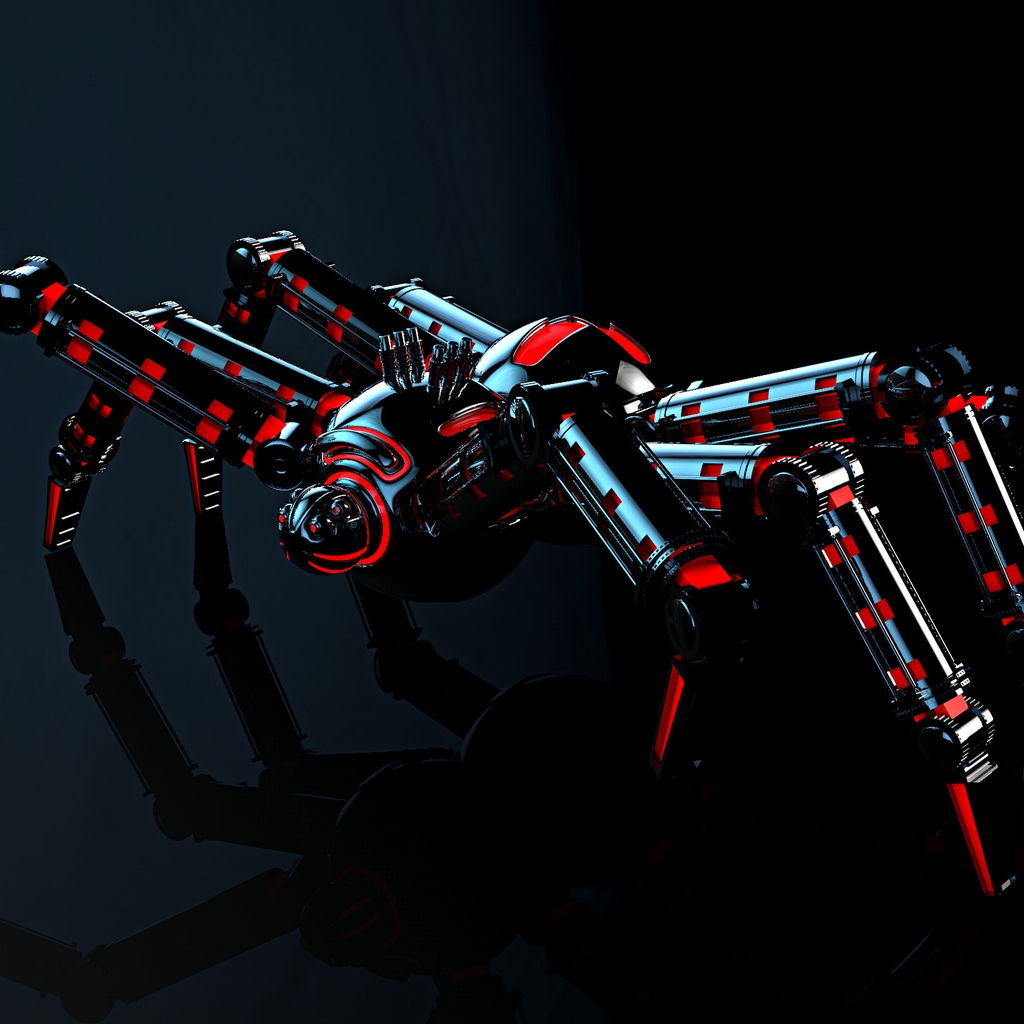
Necrobotics, a term that sounds more like a horror movie plot than a scientific breakthrough, is actually a fascinating field of research. At Rice University, scientists have turned a dead spider into a robot-like gripper by injecting it with air. This process leverages the spider's natural hydraulic system, allowing it to pick up objects. While this concept may seem unsettling, it opens the door to using deceased organisms for scientific purposes. The implications are vast, from medical research to environmental monitoring. As this technology matures, it could lead to innovative applications that we can't even imagine yet.
Sand Batteries: Harnessing the Power of Nature
In Finland, engineers have discovered a novel way to store energy using sand. By heating 100 tons of sand with wind and solar energy, they create a heat source that can be distributed to nearby buildings. This method, known as resistive heating, uses the friction of electrical currents to generate warmth. The simplicity of this approach makes it an attractive solution for sustainable energy storage. As the world seeks cleaner alternatives, sand batteries could play a significant role in reducing reliance on fossil fuels and promoting renewable energy sources.
E-Skin: Bridging the Gap in Long-Distance Communication
The ability to feel touch across long distances has long been a challenge in communication technology. However, researchers at the City University of Hong Kong have developed wireless e-skin that could change this. This technology uses flexible actuators to sense movements and convert them into electrical signals. These signals can then be sent to another e-skin system via Bluetooth, mimicking the original movements. This innovation could revolutionize how we interact with loved ones, making long-distance relationships more tangible and meaningful.
Smelly VR: Enhancing Immersion Through Scent
Virtual reality (VR) has already transformed how we experience digital environments, but what if we could also smell them? Researchers at City University of Hong Kong have created a 'novel, wireless, skin-interfaced olfactory feedback system' that allows users to smell different scents while immersed in VR. This technology could enhance the realism of virtual experiences, making them more engaging and immersive. From online education to entertainment, smelly VR has the potential to redefine how we interact with digital content.
Catapulting Satellites: A New Way to Reach Space
SpinLaunch, a company based in the United States, is pioneering a new method to launch satellites into space. Instead of relying solely on traditional rockets, they use kinetic energy to spin payloads at high speeds before launching them through a large tube. This approach reduces the need for chemical fuel, making space travel more efficient and environmentally friendly. With NASA's support, this technology could become a game-changer in the aerospace industry.
Xenotransplantation: The Future of Organ Transplants
Xenotransplantation, the process of transplanting animal organs into humans, is gaining traction in the medical field. Recent successes, such as the implantation of a pig's heart into a human, highlight the potential of this technology. Gene-editing techniques are being used to make animal organs compatible with human bodies, addressing the critical shortage of donor organs. While challenges remain, the future of xenotransplantation could save countless lives and revolutionize organ transplantation.
AI Image-Generation: Redefining Art and Creativity
Artificial intelligence has made its mark in the world of art, with tools like Dall-E and Midjourney enabling users to create images from text prompts. These AI systems can generate original artworks, opening up new possibilities for artists and designers. While there are still limitations, the potential for AI in creative fields is immense. As these technologies evolve, they could democratize art creation and inspire new forms of expression.
Brain Reading Robots: Enhancing Accessibility
Advancements in brain-computer interfaces are making it possible for individuals with mobility impairments to interact with their environment. Researchers at the Swiss Federal Institute of Technology Lausanne (EPFL) have developed a system that uses machine learning algorithms to interpret brain signals. This technology enables tetraplegic patients to control robotic arms, performing tasks like navigating obstacles. The future of brain reading robots holds promise for improving the quality of life for those with disabilities.
3D Printed Bones: Revolutionizing Medical Treatments
3D printing has found a crucial application in the medical field, particularly in creating patient-specific bone implants. Companies like Ossiform use tricalcium phosphate to produce 3D printed bones that integrate seamlessly with the body. These implants allow for the restoration of function, offering a more effective solution for patients requiring bone replacements. The precision and customization of 3D printed bones represent a significant advancement in medical technology.
3D-Printed Food: A New Culinary Experience
Columbia University researchers have developed a device that can 3D print and cook a seven-ingredient cheesecake using food inks and a laser. This technology has the potential to personalize meals for athletes, patients with dietary restrictions, and those with limited time. The ability to create customized dishes quickly and efficiently could transform the culinary industry, making nutritious and delicious food more accessible to everyone.
Natural Language Processing: Enhancing Communication
Natural language processing (NLP) has become a cornerstone of modern technology, enabling machines to understand and respond to human language. Companies like OpenAI are at the forefront of this innovation, developing chatbots like ChatGPT that can engage in conversations and generate content. As NLP continues to evolve, it will play a vital role in enhancing communication, improving customer service, and streamlining business operations.
Boom-Free Supersonic Flight: Redefining Air Travel
NASA’s X-59 ‘quiet’ supersonic aircraft aims to eliminate the sonic boom associated with supersonic flight. This technology could revolutionize air travel, making it faster and more efficient without disturbing communities below. If successful, the X-59 could pave the way for a new era of commercial supersonic travel, connecting distant locations in record time.
Digital Twins: Transforming Healthcare
Digital twins, or 3D digital avatars of a patient's body, are set to transform healthcare. Companies like Q Bio are developing scanners that can measure hundreds of biomarkers, creating detailed health profiles. These digital twins can be used to monitor health over time, enabling early detection of diseases and personalized treatment plans. This technology has the potential to improve patient outcomes and reduce the burden on healthcare systems.
Direct Air Capture: Combating Climate Change
Direct Air Capture (DAC) is a promising technology for reducing carbon dioxide levels in the atmosphere. By capturing CO2 from the air and storing it underground or converting it into synthetic fuels, DAC offers a viable solution to combat climate change. While challenges remain, the potential of DAC to mitigate environmental damage is significant, making it a key player in the fight against global warming.
Green Funerals: Sustainable End-of-Life Options
As sustainability becomes a priority, green funerals are gaining popularity. Options like composting and mushroom suits offer eco-friendly alternatives to traditional cremation and burial. These methods reduce carbon emissions and promote a more sustainable approach to end-of-life care. The growing acceptance of green funerals reflects a shift towards environmentally conscious practices.
Energy Storing Bricks: A New Era in Building Materials
Scientists have developed a method to turn red bricks into energy storage devices. These "smart bricks" can store energy like a battery, offering a cost-effective and widely available solution for energy storage. This innovation could revolutionize the construction industry, making it easier to integrate renewable energy sources into everyday structures.
Self-Healing 'Living Concrete': A Sustainable Building Material
Researchers at the University of Colorado Boulder have created self-healing concrete using sand, gel, and bacteria. This material can repair its own cracks and is more environmentally friendly than traditional concrete. The potential applications of living concrete extend beyond construction, including environmental remediation and smart infrastructure. This technology represents a significant step towards sustainable building practices.
Fuel from Thin Air: A Breakthrough in Renewable Energy
Chemical engineers in Switzerland have developed a prototype device that produces hydrogen fuel from water found in the air. Inspired by leaves, this technology uses sunlight to generate hydrogen gas, which can be converted into liquid fuels. This innovation could provide a clean and sustainable energy source, reducing dependence on fossil fuels and mitigating environmental impact.
Internet for Everyone: Expanding Connectivity
Companies like Hiber are working to bring internet access to remote areas using microsatellites. These small satellites orbit the Earth multiple times a day, providing connectivity to regions where traditional infrastructure is lacking. This technology has the potential to bridge the digital divide, ensuring that more people have access to information and communication services.
3D-Printed Eye Tissue: Advancing Ophthalmology
Researchers at the National Eye Institute have produced retinal tissue using stem cells and 3D bioprinting. This breakthrough could lead to better understanding and treatment of eye diseases like age-related macular degeneration. The ability to model the human eye in the lab opens up new possibilities for medical research and therapeutic interventions.
Car Batteries That Charge in 10 Minutes: Revolutionizing Electric Vehicles
A team of researchers at Penn State University has developed a fast-charging battery that can fully charge an electric vehicle in just 10 minutes. This technology addresses the issue of range anxiety and makes electric vehicles more practical for everyday use. The self-heating design of the battery ensures safe and efficient charging, paving the way for a more sustainable transportation future.
Artificial Neurons on Silicon Chips: Advancing Medical Technology
Scientists at the University of Bath have attached artificial neurons onto silicon chips, mimicking the properties of real neurons. This breakthrough could lead to the development of medical implants for treating conditions like heart failure and Alzheimer’s. The low power requirements of these artificial neurons make them a promising solution for various medical applications.
As we look to the future, these innovations underscore the transformative power of technology. From healthcare to environmental sustainability, the advancements discussed here have the potential to reshape our world in profound ways. Embracing these technologies will be crucial for addressing the challenges of the 21st century and unlocking new opportunities for growth and progress.


Comments
Post a Comment