The Future of Technology: 10 Emerging Innovations Shaping Our World
The World Economic Forum's latest report on the Top 10 Emerging Technologies highlights a transformative period in which scientific advancements are beginning to have real-world impacts. These technologies, spanning from artificial intelligence (AI) to nanotechnology and energy solutions, are poised to address some of the most pressing global challenges over the next three to five years. This article explores these groundbreaking innovations, their potential applications, and the broader implications they hold for society.
Four Key Trends Driving Innovation
Across the 2025 cohort of emerging technologies, four major trends stand out:
Trust and Safety in a Connected World
With the proliferation of digital interactions, ensuring trust and safety has become critical. Technologies like generative watermarking are helping combat misinformation by embedding invisible tags in AI-generated content, making it easier to distinguish between real and synthetic media.
Next-Generation Biotechnologies for Health
Advancements in biotechnology are revolutionizing healthcare. Engineered living therapeutics, such as genetically modified bacteria that act as internal medicine factories, offer promising treatments for diseases like diabetes. These innovations could lead to more cost-effective and personalized medical care.
Redesigning Industrial Sustainability
Sustainability is no longer a choice but a necessity. Green nitrogen fixation, for example, aims to reduce the environmental impact of fertilizer production, which currently consumes about 2% of global energy. By using bio-based systems, this technology could significantly lower carbon emissions.
Integrating Energy and Materials
The convergence of energy and materials science is opening new frontiers. Osmotic power systems, which generate electricity from the difference in salt concentration between freshwater and seawater, are becoming more viable with recent advances in materials science.
The Top 10 Emerging Technologies of 2025
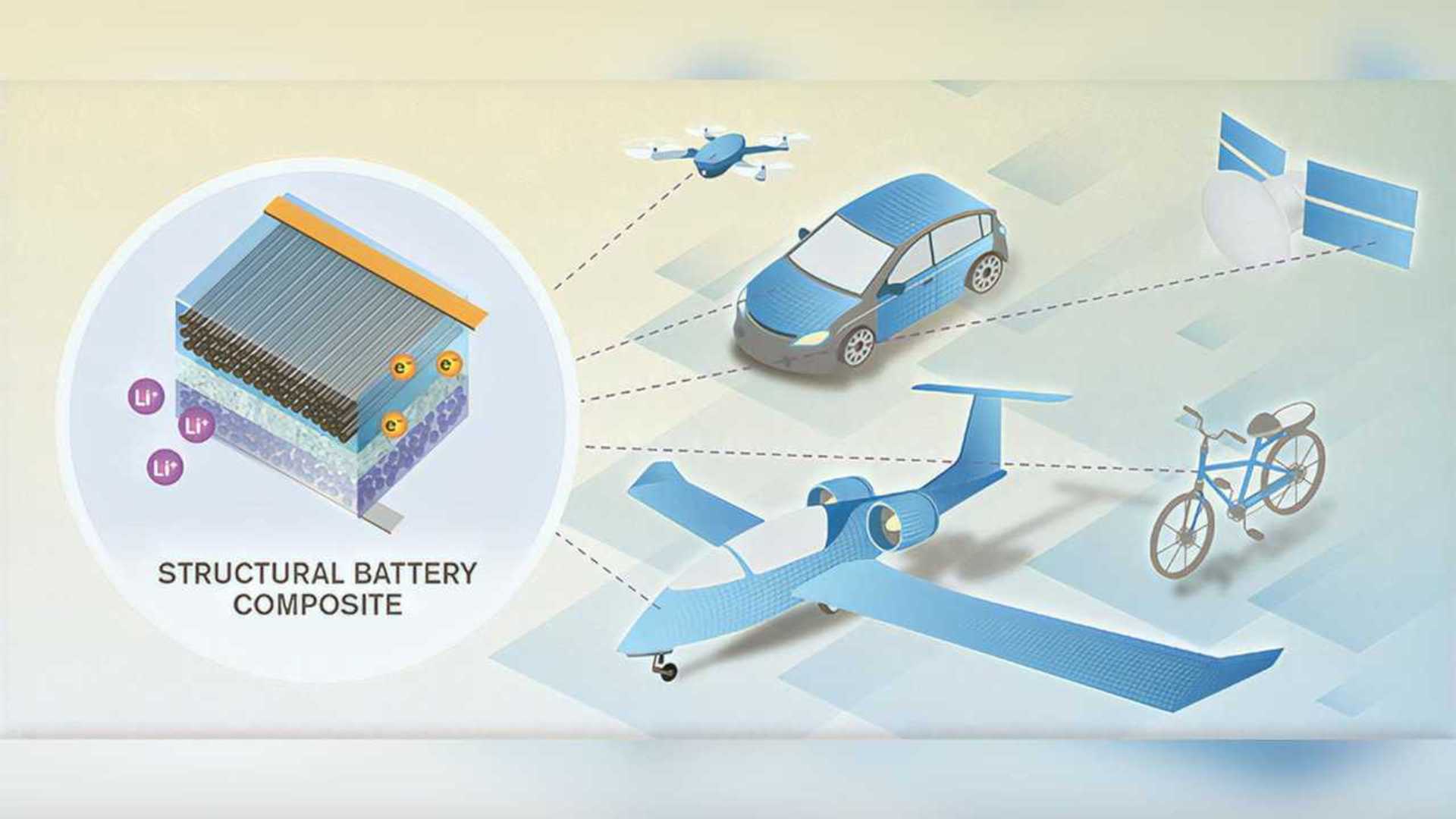
1. Structural Battery Composites
These composites function as both structural materials and energy storage devices, potentially making electric vehicles lighter and more efficient. If safety standards can be established, they could have a significant environmental and economic impact.
2. Osmotic Power Systems
Using membranes to harness energy from salinity differences, osmotic power systems offer a clean, renewable energy source. Recent advancements in membrane technology have brought this concept closer to reality.
3. Advanced Nuclear Technologies
A renewed wave of innovation in nuclear energy includes small modular reactors (SMRs) and alternative cooling fuels. The goal is to make nuclear power safer, more cost-effective, and more widely available.
4. Engineered Living Therapeutics
By modifying bacteria to produce therapeutic compounds, scientists aim to provide long-term, cost-effective treatment options. This approach could revolutionize the management of chronic diseases.
5. GLP-1s for Neurodegenerative Disease
Originally developed for diabetes, GLP-1 receptor agonists are showing promise in treating brain-related conditions like Alzheimer’s. Their ability to reduce inflammation and remove toxic proteins could have significant social and economic benefits.
6. Autonomous Biochemical Sensing
These devices detect biochemical parameters autonomously, enabling real-time monitoring of health and environmental conditions. Applications range from glucose monitoring to pollution detection.
7. Green Nitrogen Fixation
This technology aims to replace traditional nitrogen fixation methods with bio-based alternatives, reducing energy consumption and environmental impact. It could play a crucial role in sustainable agriculture.
8. Nanozymes
Nanozymes, lab-produced nanomaterials with enzyme-like properties, offer a cheaper and more stable alternative to natural enzymes. They have potential applications in medicine, water purification, and food safety.
9. Collaborative Sensing
Connected sensors, enhanced by AI, can transform urban mobility and environmental monitoring. For instance, smart traffic lights can adjust based on real-time data, reducing congestion and pollution.
10. Generative Watermarking
This technology adds invisible tags to AI-generated content, helping to identify synthetic media. As deepfakes become more prevalent, this innovation is crucial for maintaining trust online.
Impact on Various Industries
Heavy Industries
Technologies like hyperautomation and quantum computing are streamlining production processes and improving efficiency. Generative AI is also playing a role in optimizing building design and material selection.
Process Industries
Synthetic biology and nanotechnology are enhancing the production of pharmaceuticals and food products. Climate technology is also being adopted to reduce the environmental footprint of industrial processes.
Light Industries
Nanotechnology is enabling the development of advanced materials for textiles and consumer goods. Generative AI is being used to customize designs and improve production efficiency.
Service Industries
Voice-activated technology and digital trust solutions are enhancing customer experiences and improving data security. AI-driven chatbots are automating customer service and providing personalized recommendations.
Challenges and Ethical Considerations
While these technologies offer immense potential, they also present challenges. Integration with existing systems often requires substantial adjustments, and there is a growing demand for skilled professionals. Security concerns, high initial costs, and reliability issues are also significant hurdles.
Ethically, data privacy, bias in AI, and job displacement are critical considerations. Ensuring transparency and accountability in automated systems is essential to maintaining public trust.
Conclusion
The future of technology is not just about innovation—it's about addressing the challenges of our time. From structural battery composites to green nitrogen fixation, these emerging technologies are set to transform industries and improve lives. As we navigate this rapidly evolving landscape, it is crucial to balance innovation with responsibility, ensuring that technological progress benefits society as a whole. The next few years will be pivotal in determining how these technologies shape our world, and staying informed is key to leveraging their full potential.


Comments
Post a Comment