The Future of Technology Explained: How the Internet of Things is Changing Our World
The Internet of Things (IoT) is no longer a futuristic concept; it is a rapidly evolving reality that is reshaping our daily lives, industries, and the way we interact with technology. As more devices become connected to the internet, the potential for innovation and efficiency grows exponentially. From smart homes to industrial automation, the IoT is revolutionizing how we live, work, and communicate. This transformation is driven by advancements in connectivity, data analytics, and artificial intelligence, all of which are working in tandem to create a more interconnected world. 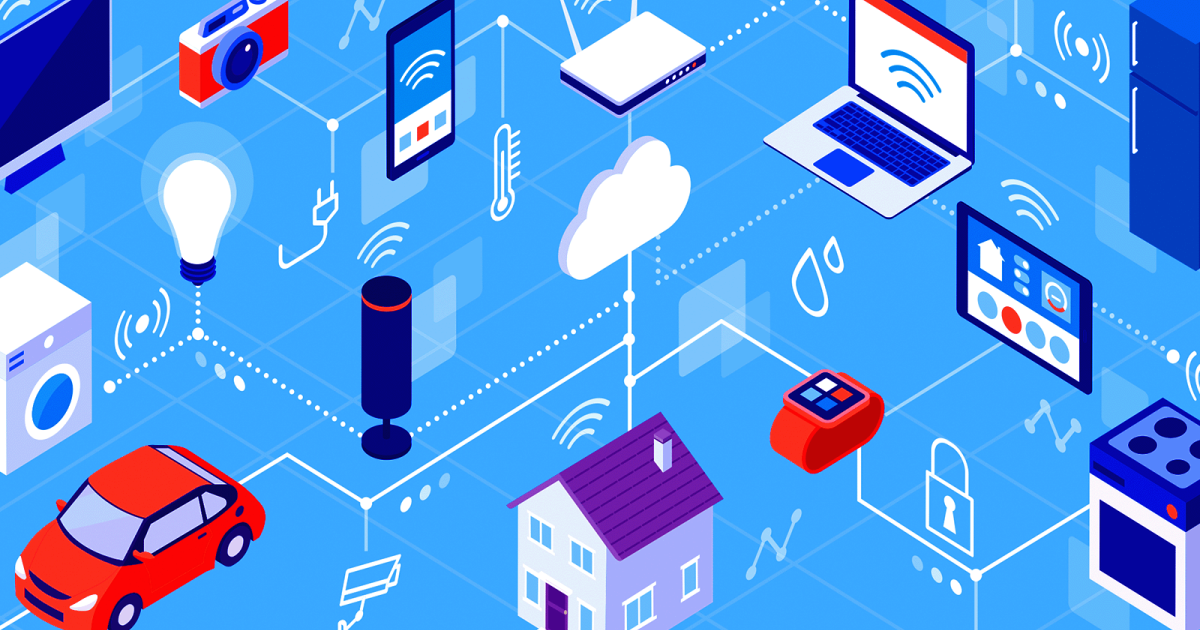
The Evolution of the Internet of Things
The concept of the Internet of Things dates back to the early 1980s, when researchers first envisioned a world where everyday objects could communicate with each other. However, it wasn't until the late 1990s and early 2000s that the term "Internet of Things" was coined by Kevin Ashton, a British technology pioneer. Since then, the IoT has evolved from a theoretical idea into a tangible force that is influencing various sectors. The proliferation of affordable sensors, wireless communication technologies, and cloud computing has made it possible for millions of devices to be connected and share data in real-time. This evolution has laid the foundation for a new era of smart ecosystems.
Applications of the Internet of Things
One of the most significant areas where the IoT is making an impact is in the home. Smart home devices such as thermostats, security systems, and lighting controls are becoming increasingly common. These devices not only enhance convenience but also contribute to energy efficiency and cost savings. For instance, a smart thermostat can learn your schedule and adjust the temperature accordingly, reducing energy consumption without compromising comfort. Similarly, smart security cameras and doorbells allow homeowners to monitor their property remotely, providing an added layer of safety.
In the healthcare sector, the IoT is transforming patient care and medical management. Wearable devices like fitness trackers and smartwatches monitor vital signs and provide real-time health data to both patients and healthcare providers. This enables early detection of potential health issues and personalized treatment plans. Additionally, remote patient monitoring systems allow doctors to track the condition of chronic disease patients from a distance, reducing hospital readmissions and improving overall outcomes. The integration of IoT in healthcare is not only enhancing the quality of care but also making it more accessible and efficient.
Industrial and Environmental Impact
Beyond the home and healthcare, the IoT is having a profound effect on industries and the environment. In manufacturing, the use of IoT-enabled sensors and machines allows for predictive maintenance, reducing downtime and increasing productivity. By analyzing data from equipment, companies can identify potential failures before they occur, minimizing disruptions and saving costs. In agriculture, IoT technologies are being used to monitor soil conditions, weather patterns, and crop health, enabling farmers to optimize resource usage and increase yields. This data-driven approach is helping to address food security challenges and promote sustainable farming practices.
Environmental monitoring is another area where the IoT is making a difference. Sensors placed in forests, oceans, and cities can collect data on air quality, water levels, and wildlife activity. This information is crucial for understanding environmental changes and implementing effective conservation strategies. For example, smart city initiatives use IoT to manage traffic flow, reduce pollution, and improve public services. These applications demonstrate how the IoT can contribute to a more sustainable and resilient future.
Challenges and Considerations
Despite its many benefits, the widespread adoption of the IoT also presents several challenges. One of the primary concerns is security. With so many devices connected to the internet, the risk of cyberattacks and data breaches increases. Ensuring the security of IoT devices requires robust encryption, regular software updates, and strong authentication protocols. Additionally, privacy issues arise when personal data is collected and shared. Users must have control over their data and understand how it is being used.
Another challenge is the interoperability of IoT devices. With a wide range of manufacturers and standards, ensuring that different devices can communicate seamlessly is a complex task. Standardization efforts are underway to create common protocols and frameworks that will enable greater compatibility. Furthermore, the reliance on the internet for IoT functionality means that connectivity issues can disrupt operations. Redundant systems and offline capabilities are essential to mitigate these risks.
The Road Ahead
As the IoT continues to evolve, its impact on society will only grow. The integration of artificial intelligence and machine learning with IoT devices will further enhance their capabilities, enabling them to make autonomous decisions and adapt to changing environments. The development of 5G networks will also play a crucial role in expanding the reach and performance of IoT applications. With continued investment in research and development, the IoT has the potential to unlock new opportunities and drive innovation across multiple domains.
In conclusion, the Internet of Things is revolutionizing the way we interact with technology and the world around us. Its applications span various sectors, offering numerous benefits in terms of efficiency, convenience, and sustainability. While challenges remain, the future of the IoT looks promising, with the potential to transform our lives in ways we have yet to imagine. As we move forward, it is essential to address the associated risks and ensure that the IoT is developed responsibly and inclusively.


Comments
Post a Comment