The Future of Security: How Biometric Technology is Redefining Identity Verification
In an era where digital threats are becoming increasingly sophisticated, the need for robust security measures has never been more critical. Traditional methods like passwords and PINs are no longer sufficient to protect sensitive information and physical assets. Enter biometric technology—a revolutionary approach that leverages unique biological traits to authenticate identity with unprecedented accuracy and convenience. From fingerprint scans to facial recognition, biometric systems are transforming how we secure everything from smartphones to border control.
Understanding Biometric Technology
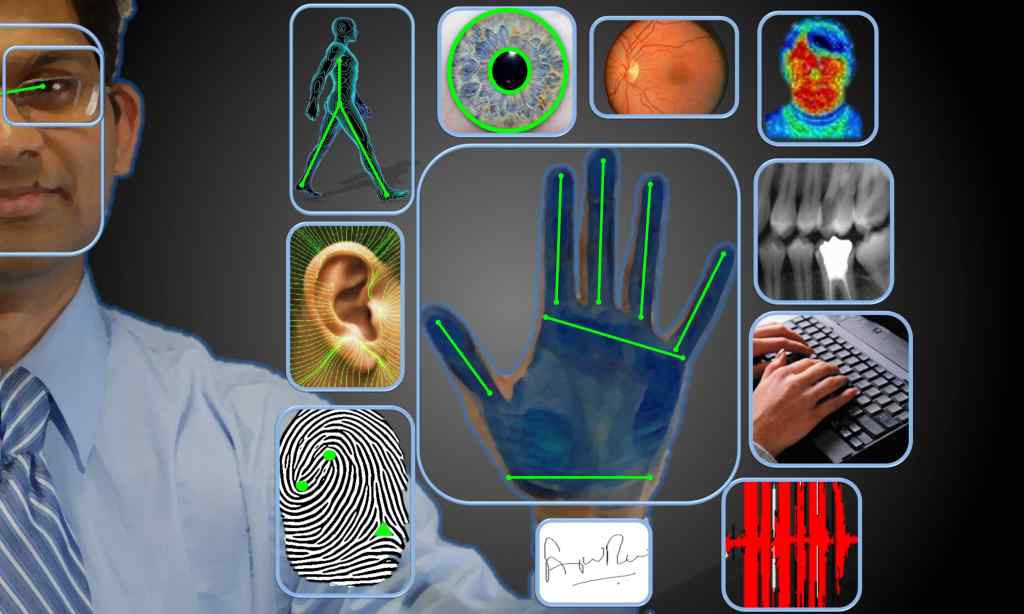
Biometric technology involves the use of measurable biological or behavioral characteristics to identify individuals. These traits, which are unique to each person, include fingerprints, facial features, iris patterns, voice recognition, and even gait analysis. Unlike traditional authentication methods, biometrics offer a level of security that is difficult to replicate, making them ideal for high-stakes environments such as banking, healthcare, and government operations.
The evolution of biometric technology can be traced back to its earliest applications in criminal investigations, where fingerprints were used to identify suspects. Today, advancements in image capture technologies and computing power have made biometric systems more accurate, efficient, and accessible than ever before. Modern biometric systems are capable of performing real-time identification, reducing the risk of fraud and unauthorized access.
Key Applications of Biometric Technology
Biometric technology serves three primary purposes: verification, identification, and duplicate checking. Each of these functions plays a crucial role in enhancing security across various industries.
- Verification: This process involves a "one-to-one" comparison between a user's biometric data and a pre-stored template. It is commonly used for access control, such as unlocking a smartphone or granting entry to a secure facility.
- Identification: In this scenario, a user's biometric data is compared against a database of known individuals to determine their identity. This method is often used in law enforcement and border control to quickly identify individuals.
- Duplicate Checking: This function is designed to detect multiple entries of the same individual in a database, helping to prevent fraud and ensure data integrity.
Types of Biometric Identifiers
Biometric identifiers can be broadly categorized into two types: physiological and behavioral.
- Physiological Identifiers: These include fingerprints, facial recognition, iris and retinal scans, vein recognition, and DNA matching. These traits are based on the physical characteristics of an individual.
- Behavioral Identifiers: These involve analyzing unique patterns of behavior, such as typing rhythm, mouse movement, walking gait, signature dynamics, and website interaction patterns.
Each type of identifier offers distinct advantages and is suited to different applications. For instance, fingerprint recognition is widely used due to its affordability and ease of implementation, while iris scanning is preferred for high-security environments due to its high accuracy.
How Biometric Authentication Works
The biometric authentication process typically involves two main steps: enrollment and recognition.
- Enrollment: During this phase, a user's biometric data is captured and converted into a digital template. This template is stored securely and used as a reference for future comparisons.
- Recognition: When a user attempts to access a system, their biometric data is scanned and compared against the stored template. If the match is successful, access is granted; otherwise, it is denied.
This process ensures that only authorized individuals can access sensitive information or physical spaces, significantly reducing the risk of unauthorized access.
Enhancing Security Protocols with Biometrics
Biometric technology has revolutionized the way organizations implement security protocols. By using unique biological traits, businesses can enhance their security measures while improving user experience.
Some of the key benefits of biometric authentication include:
- Superior Security: Biometric systems offer a higher level of security compared to traditional methods like passwords and PINs.
- Convenience: Users can access systems without the need to remember complex passwords, making the process faster and more user-friendly.
- Reduced Fraud: The uniqueness of biometric traits makes it extremely difficult for fraudsters to impersonate legitimate users.
- Scalability: Biometric systems can be easily integrated into existing infrastructure, making them suitable for both small and large organizations.
Industry Applications of Biometric Technology
Biometric technology is being adopted across a wide range of industries, each leveraging its unique capabilities to enhance security and efficiency.
- Financial Services: Banks and financial institutions use biometrics to secure transactions and prevent fraud. Fingerprint and facial recognition systems are commonly used for customer authentication.
- Healthcare: Biometric systems help in patient identification and the protection of electronic health records, ensuring that medical data is accessed only by authorized personnel.
- Retail: Retailers use biometric technology for customer verification and contactless payments, streamlining the checkout process and reducing the risk of theft.
- Border Control: Automated passport verification systems at airports use biometric data to quickly and accurately identify travelers, enhancing security and efficiency.
Challenges and Limitations
Despite its many advantages, biometric technology is not without its challenges. One of the primary concerns is the potential for false acceptance and rejection rates. False acceptance occurs when an unauthorized individual is incorrectly identified as legitimate, while false rejection happens when a legitimate user is denied access. These issues can impact the reliability and effectiveness of biometric systems.
Environmental factors also play a significant role in the performance of biometric systems. Lighting conditions, temperature, and humidity can affect the accuracy of facial and iris scans, as well as fingerprint recognition. Additionally, the integration of biometric systems into existing infrastructure can be complex and costly, requiring careful planning and implementation.
Privacy and Data Protection Considerations
As biometric technology becomes more prevalent, concerns about privacy and data protection have come to the forefront. Organizations must ensure that biometric data is collected, stored, and used in compliance with relevant regulations and standards.
Key considerations include:
- Regulatory Compliance: Adhering to global data protection laws such as the General Data Protection Regulation (GDPR) is essential to maintain user trust.
- Data Storage and Encryption: Biometric data should be encrypted and stored securely to prevent unauthorized access.
- User Consent and Rights Management: Clear consent forms and transparent data usage policies are necessary to inform users about how their biometric data will be used.
By addressing these concerns, organizations can build trust and ensure that biometric technology is used responsibly and ethically.
The Future of Biometric Technology
As technology continues to evolve, the future of biometric authentication looks promising. Innovations such as multimodal biometric systems, which combine multiple biometric identifiers for enhanced accuracy, are expected to become more prevalent. Additionally, advancements in artificial intelligence and machine learning are likely to further improve the performance and reliability of biometric systems.
In conclusion, biometric technology is reshaping the landscape of security by offering a more secure, convenient, and efficient way to verify identity. As organizations continue to adopt and refine these systems, the potential for innovation and improvement remains vast. With careful implementation and adherence to ethical guidelines, biometric technology can play a pivotal role in safeguarding our digital and physical worlds.


Comments
Post a Comment