The Future of IoT: Emerging Trends and Transformative Potential
The Internet of Things (IoT) is reshaping the way we interact with technology, from smart homes to industrial systems. As the number of connected devices continues to grow exponentially, IoT is becoming an integral part of our daily lives and business operations. From monitoring environmental conditions in agriculture to managing traffic patterns in smart cities, the applications of IoT are vast and varied. In this article, we explore the current state of IoT, its impact across industries, and the top trends expected to shape its evolution in 2025.
The Current State of IoT
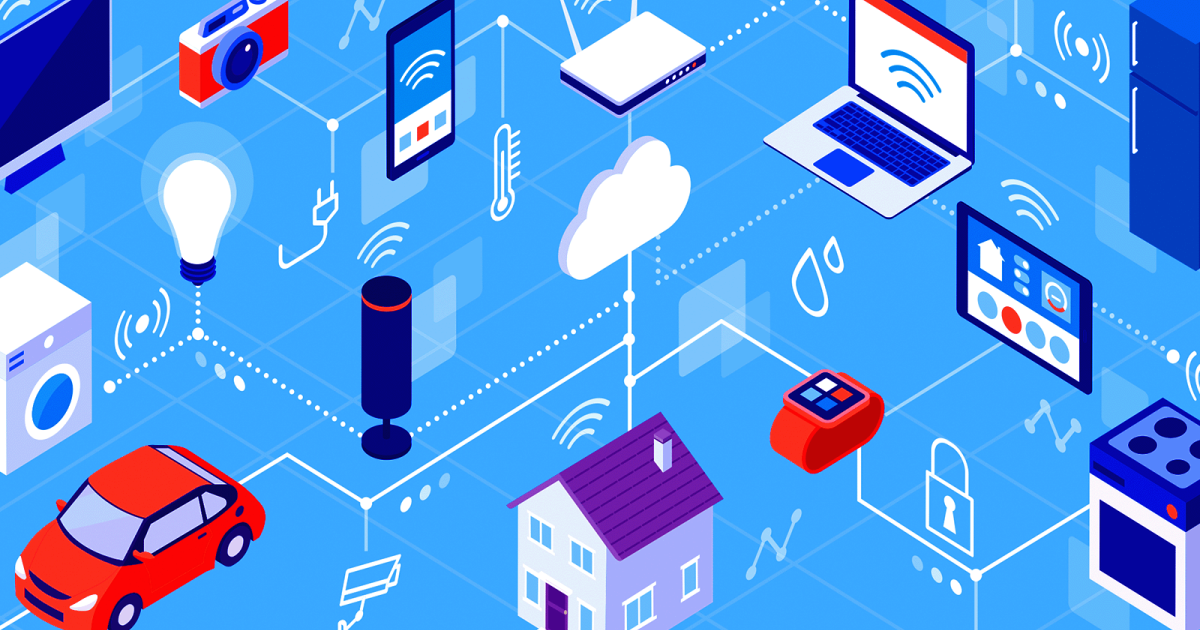
As of 2020, there were approximately 9.7 billion IoT devices globally, and this number is projected to reach 29 billion by 2030. The market volume for IoT is expected to hit $33.74 billion by 2027, growing at a compound annual growth rate (CAGR) of 11.49% from 2022 to 2027. These figures highlight the rapid adoption and integration of IoT technologies across various sectors.
In the enterprise context, IoT devices are used to monitor parameters such as temperature, humidity, air quality, energy consumption, and machine performance. This data can be analyzed in real time to identify patterns, trends, and anomalies that help businesses optimize their operations and improve efficiency. For instance, in the manufacturing sector, IoT-enabled sensors can track machine performance and predict maintenance needs, reducing downtime and increasing productivity.
In the consumer segment, the smart home sector is leading the charge in deploying IoT devices. By 2025, the smart home segment is expected to grow by 350 million units. Voice assistants have also seen significant growth, with millennials making up the largest user base. Around 65% of people aged 25 to 34 use voice assistants daily, followed closely by those aged 18 to 24, with 59% of that demographic using them regularly.
However, the proliferation of IoT devices has also raised concerns about security. Improving security was one of the most common reasons for adopting IoT, especially among European users. Governments have started drafting or rolling out legislation setting minimum security standards for IoT devices. In 2020, a significant portion of cyberattacks targeted organizations using IoT devices, prompting increased scrutiny and regulatory action.
Top 10 IoT Trends and Predictions for 2025
As we look ahead to 2025, several key trends are expected to shape the future of IoT. These include digital twins, AI integration, new sensor technologies, 5G-connected car services, chip-level innovation, healthcare applications, ethical and privacy concerns, sustainability initiatives, 6G research, and quantum computing.
-
Digital Twins: Digital twins, which are virtual replicas of physical objects or processes, are expected to become more mainstream in 2025. They offer enhanced visibility into organizational processes and enable stakeholders to analyze and improve them. Companies like Ansys Inc. are collaborating with tech giants such as Microsoft Azure to develop robust solutions.
-
AI and IoT: The integration of AI with IoT is set to revolutionize how businesses operate. By leveraging granular data from IoT devices, companies can develop AI models that automate processes and improve product quality. Edge processing capabilities will allow AI to be deployed closer to sensors, enabling faster decision-making.
-
New Sensor Technologies: Innovations in sensor technology are expected to drive down costs and increase the accessibility of IoT solutions. Companies like Bosch and Himax Technologies are showcasing advanced sensors designed for autonomous vehicles and smart agriculture.
-
5G Connected Car Services: The rollout of 5G networks will enhance connectivity for connected cars, improving vehicle-to-vehicle communication and reducing collisions. AT&T has already announced partnerships with BMW and Polaris to offer connected vehicle services.
-
Chip-Level Innovation: Specialized chips for IoT systems are expected to emerge, driven by the demand for edge computing and AI. These chips will handle neural networks and AI systems at low power, driving further innovation in AI solutions.
-
IoT in Healthcare: IoT is transforming healthcare through wearables, voice assistants, and connected medical equipment. By 2025, the healthcare IoT market is expected to reach $267 billion, with more at-home smart sensors monitoring patient vitals.
-
Ethical, Legal, and Privacy Concerns: As IoT becomes more prevalent, concerns about data ownership, usage, and security are rising. Governments are introducing regulations to address these issues, such as the EU's Digital Services Act and California's privacy laws.
-
IoT for Sustainability: Organizations are using IoT solutions to reduce their environmental footprint. Smart waste management, precision agriculture, and renewable energy management systems are expected to gain traction.
-
6G Research: While 5G is still in its early stages, research on 6G is well underway. 6G promises higher speeds, lower latency, and more reliable connections, enhancing the capabilities of IoT systems.
-
Quantum Computing: The rise of quantum computing could revolutionize how data is processed and analyzed. Quantum computers can solve complex problems faster than traditional computers, potentially transforming IoT use cases.
Additional Emerging Trends
Beyond the top 10 trends, several other areas are gaining attention in the IoT landscape:
- Blockchain: The integration of blockchain technology with IoT is expected to enhance data security and enable secure interactions between network nodes.
- Smart Cities: IoT is transforming urban environments, improving resident facilities, and addressing pressing issues like traffic congestion and public safety.
- IoT-Powered 5G Technology: 5G networks will play a crucial role in delivering the full potential of IoT, enabling dynamic and versatile networking.
- Traffic Management: IoT is being used to address global traffic challenges, with smart-mobility technologies reducing travel times and congestion.
- IoT-Empowered AI Applications: The combination of IoT and AI is creating intelligent machines that can automate tasks and make decisions without human intervention.
- Voice-Activated IoT Devices: Voice assistants like Google Assistant, Amazon Echo, and Siri are expanding into multiple industries, offering hands-free control of smart devices.
- IoT Security: With the growing number of connected devices, security remains a critical concern. The IoT security market is expected to reach $38.7 billion by 2023.
- Edge Computing: Edge computing is enabling faster data processing and real-time insights, allowing businesses to respond quickly to changing conditions.
- Metaverse: IoT is a critical component of the Metaverse framework, enabling new opportunities for expansion and growth in the tech industry.
As we move into 2025, the IoT landscape will continue to evolve, driven by technological advancements and increasing demand for smarter, more connected solutions. Businesses and individuals alike must stay informed about these trends to harness the full potential of IoT and navigate the challenges it presents.


Comments
Post a Comment