The Future of Business: 2025 Digital Transformation Trends Shaping Industries
In an era defined by rapid technological advancement, digital transformation has become a cornerstone of business strategy. From artificial intelligence (AI) to cloud computing, the landscape of how companies operate is evolving at an unprecedented pace. As we look ahead to 2025, several key trends are set to redefine industries and reshape the way organizations function. These trends are not just about adopting new technologies—they’re about creating a more agile, efficient, and customer-centric approach to business.
AI and Machine Learning: Enhancing Efficiency and Decision-Making
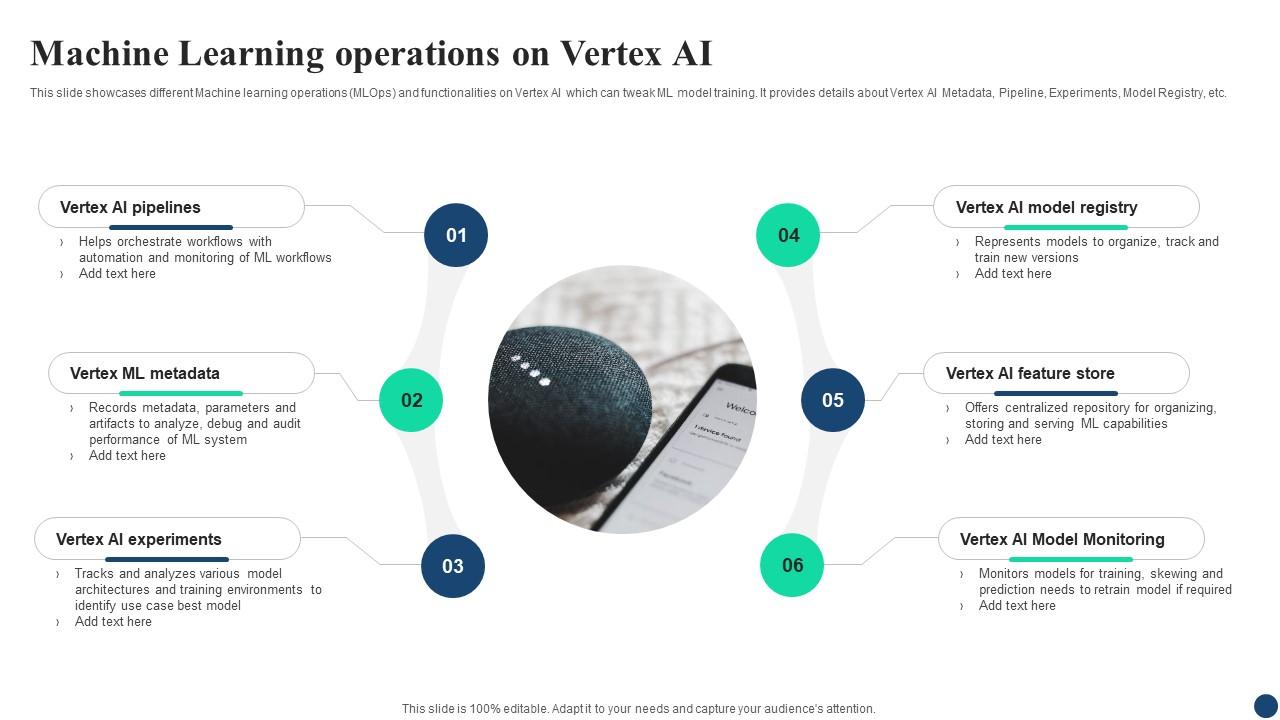
Artificial intelligence and machine learning are no longer just buzzwords; they are integral to modern business operations. Generative AI, in particular, is revolutionizing content creation, customer interactions, and product design. For example, tools like ChatGPT and DALL-E 2 are enabling businesses to automate content generation, personalize marketing campaigns, and enhance creative workflows.
Moreover, AI-powered decision-making systems are streamlining complex processes, from supply chain management to real-time analytics. By leveraging AI, organizations can reduce human error, improve efficiency, and make data-driven decisions faster than ever before. This shift is not only improving internal operations but also enhancing the customer experience through hyper-personalization and predictive insights.
Automation and Robotic Process Automation (RPA): Streamlining Workflows
Automation continues to be a driving force behind increased productivity and cost savings. Robotic Process Automation (RPA) is transforming how businesses handle repetitive tasks, from order processing to inventory management. By automating these tasks, companies can free up valuable human resources to focus on higher-value activities such as strategic planning and innovation.
The rise of "hyper-automation" further amplifies this trend, combining RPA with AI and machine learning to automate entire workflows rather than isolated tasks. This holistic approach ensures that businesses can scale efficiently while maintaining agility in a competitive market.
Cloud Computing: Flexibility and Scalability for Modern Businesses
Cloud computing remains a critical component of digital transformation. Organizations are migrating to public, private, or multicloud environments to reduce the burden of maintaining on-premises data centers. Cloud service providers offer robust security, uptime, and scalability, allowing businesses to focus on their core objectives without the overhead of infrastructure management.
As more companies adopt cloud solutions, the ability to access and process data in real time becomes increasingly important. This shift supports remote work, enhances collaboration, and enables seamless integration across departments and geographies.
Cybersecurity: Protecting Data in a Connected World
With the increasing reliance on digital platforms, cybersecurity has become a top priority. The shift to cloud-based systems and distributed workforces has introduced new vulnerabilities, making it essential for organizations to adopt advanced security measures. The "shift-left" movement, which integrates cybersecurity into the early stages of development, is gaining traction as a proactive approach to risk mitigation.
Blockchain technology is also playing a growing role in securing transactions and ensuring data integrity. By leveraging decentralized networks, businesses can enhance transparency and protect sensitive information from cyber threats.
Edge Computing and IoT: Real-Time Insights and Enhanced Connectivity
The Internet of Things (IoT) is transforming how devices communicate and interact. From smart factories to connected vehicles, IoT enables real-time data collection and analysis, leading to more informed decision-making. However, the sheer volume of data generated by IoT devices requires efficient processing.
Edge computing addresses this challenge by bringing data processing closer to the source, reducing latency and improving response times. This combination of IoT and edge computing is particularly impactful in industries like manufacturing, logistics, and healthcare, where real-time insights can significantly enhance operational efficiency.
Industry-Wide Transformations: Adapting to New Norms
Digital transformation is reshaping industries in unique ways. In healthcare, for instance, telemedicine and AI-powered diagnostics are improving patient care and accessibility. Financial institutions are leveraging APIs to expand their ecosystems and connect with partners, while consumer brands are using AI-generated content to enhance customer engagement.
These transformations require organizations to rethink their strategies, invest in new technologies, and prioritize user experiences. The ability to adapt quickly to changing market demands is becoming a key differentiator in today’s competitive landscape.
Low-Code/No-Code Platforms: Democratizing Development
Low-code and no-code platforms are empowering non-technical users to participate in software development. These tools simplify coding through visual interfaces and pre-built components, enabling teams to build applications without extensive programming knowledge. This democratization of development fosters innovation and reduces dependency on IT departments.
By embracing low-code/no-code solutions, businesses can accelerate product development, streamline workflows, and respond to market changes more swiftly. This trend is especially beneficial for small and medium-sized enterprises looking to scale without significant technical barriers.
Remote Work and Hybrid Models: Redefining the Workplace
The rise of remote work has been one of the most significant shifts in recent years. While some companies are returning to traditional office settings, many are embracing hybrid models that offer flexibility and autonomy. This transition requires organizations to invest in secure virtual private networks (VPNs), collaboration tools, and digital workflows to maintain productivity and employee engagement.
Remote work also presents opportunities for global talent acquisition and cost savings. By leveraging digital tools, companies can create inclusive work environments that support diverse teams and foster innovation.
Conclusion: Embracing the Future of Business
As we move into 2025, the digital transformation journey will continue to evolve, driven by emerging technologies and shifting consumer expectations. From AI and automation to cloud computing and cybersecurity, the trends shaping the future of business are both transformative and essential.
Organizations that embrace these trends will not only gain a competitive edge but also position themselves for long-term success. By prioritizing innovation, agility, and customer-centric approaches, businesses can navigate the complexities of the digital age and thrive in an ever-changing landscape.


Comments
Post a Comment