The Future of Autonomous Vehicles: Navigating Challenges and Opportunities in the United States
Autonomous vehicles (AVs) are no longer just a futuristic concept; they're becoming a reality, with significant progress being made in the United States. While AVs have been tested in various cities across Asia and Europe, the U.S. has emerged as a leader in this space, driven by innovation, investment, and a more flexible regulatory environment. However, the path to full automation is still fraught with challenges, from technological hurdles to public acceptance and regulatory complexities.
The U.S. has seen a surge in AV development, with companies like Waymo, Tesla, and others pushing the boundaries of what's possible. These efforts are not only about creating self-driving cars but also about reimagining how people move through cities, commute, and interact with transportation systems. As the industry evolves, it's clear that AVs could revolutionize mobility, making it safer, more efficient, and more accessible.
Current State of Autonomous Vehicles in the U.S.
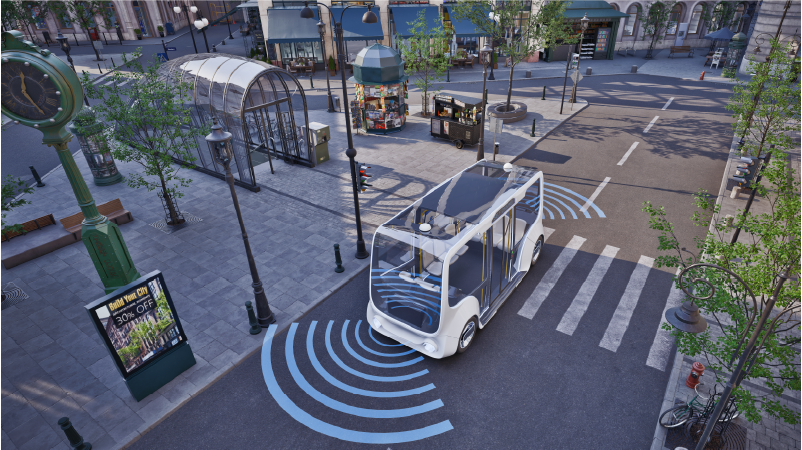
In the United States, autonomous vehicle technology is advancing rapidly. Companies are testing AVs on public roads, and some have even begun offering limited ride-hailing services using self-driving cars. For example, Waymo has launched a commercial AV service in certain areas, allowing users to hail a driverless car through an app. This marks a significant milestone in the journey toward full automation.
However, the current state of AVs is still largely at Level 2 or Level 3 automation, where the vehicle can perform some driving tasks but still requires human oversight. Full automation (Level 5) remains a distant goal, requiring breakthroughs in sensor technology, artificial intelligence, and regulatory frameworks.
Key Challenges Facing AV Development
Despite the progress, several challenges remain. One of the most pressing issues is the need for robust safety standards. Unlike traditional vehicles, AVs must be able to handle complex scenarios, from unpredictable weather conditions to sudden obstacles on the road. Ensuring that these systems are reliable and safe is a top priority for developers and regulators alike.
Another challenge is the integration of AVs into existing infrastructure. Cities are designed around human drivers, and adapting them to accommodate self-driving vehicles will require significant changes. This includes updating traffic signals, road markings, and communication systems to ensure seamless interaction between AVs and other road users.
Public trust is also a critical factor. Many people remain skeptical about the safety and reliability of AVs. High-profile incidents involving AVs have raised concerns, and overcoming these fears will require transparent testing, clear communication, and consistent performance.
The Role of Technology and Innovation
Technology is at the heart of AV development. Advanced sensors, such as LiDAR, radar, and cameras, allow AVs to perceive their surroundings in real-time. Machine learning algorithms process this data, enabling the vehicle to make decisions and navigate safely. Companies are investing heavily in these technologies, with the goal of improving accuracy, reducing costs, and enhancing overall performance.
Artificial intelligence (AI) plays a crucial role in AVs, particularly in decision-making and predictive modeling. AI systems must learn from vast amounts of data to recognize patterns, anticipate hazards, and respond appropriately. This requires continuous training and refinement, as well as collaboration between engineers, data scientists, and policymakers.
Regulatory and Policy Considerations
Regulatory frameworks are essential for the widespread adoption of AVs. In the U.S., federal and state governments are working to establish guidelines that balance innovation with public safety. The National Highway Traffic Safety Administration (NHTSA) has issued guidance on AV testing and deployment, while individual states have enacted their own laws to facilitate AV development.
However, there is still a lack of uniformity in regulations, which can create challenges for companies operating in multiple jurisdictions. Harmonizing these rules will be key to ensuring that AVs can operate safely and efficiently across the country.
Economic and Social Impacts
The economic implications of AVs are significant. If fully realized, AVs could reduce the cost of transportation, increase efficiency, and create new business opportunities. For example, ride-hailing services could become more affordable and accessible, potentially transforming how people travel in urban areas.
Socially, AVs have the potential to improve mobility for individuals who are unable to drive, such as the elderly or those with disabilities. By providing reliable and convenient transportation options, AVs could enhance independence and quality of life for many people.
The Road Ahead
Looking ahead, the future of AVs in the U.S. is promising but uncertain. While significant progress has been made, there are still many hurdles to overcome. Continued investment in research and development, along with strong regulatory support, will be crucial for the successful deployment of AVs.
As the industry moves forward, it will be important to address public concerns, ensure safety, and foster collaboration between stakeholders. By doing so, the U.S. can position itself as a global leader in the AV revolution, paving the way for a safer, more efficient, and more sustainable transportation system.
In conclusion, the journey toward fully autonomous vehicles is ongoing, with the U.S. playing a pivotal role in shaping the future of mobility. While challenges remain, the potential benefits of AVs are immense, and with the right approach, the vision of a world where cars drive themselves may soon become a reality.


Comments
Post a Comment