The Future of AR/VR Technology and Its Impact on Society
Augmented Reality (AR) and Virtual Reality (VR) are no longer just futuristic concepts—they are now integral parts of our digital landscape. From immersive gaming experiences to life-changing medical applications, AR and VR are reshaping how we interact with the world around us. As these technologies continue to evolve, they are set to revolutionize industries, redefine social interactions, and even transform the way we learn and work. In this article, we explore the current state of AR/VR technology, its future trends, and the challenges it faces in becoming a mainstream tool for society.
Current State of AR/VR Market
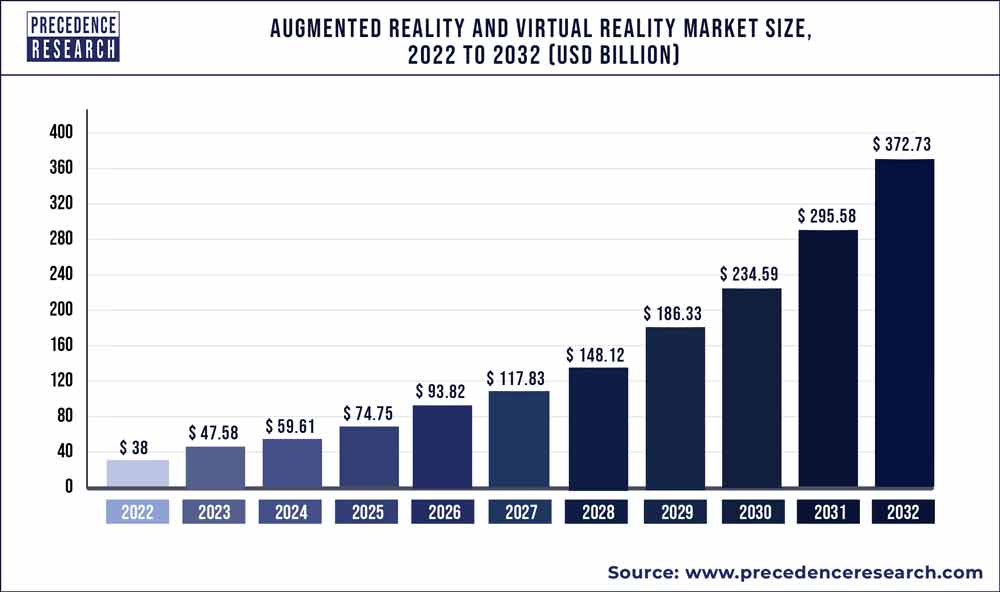
The global market for AR and VR has grown significantly over the past decade, transitioning from niche experimental tools to practical solutions across various sectors. According to Skyquest, the global market value of AR and VR reached approximately $30 billion in 2022, but projections suggest it will surpass $520 billion by 2031. This exponential growth is driven by an increasing number of practical use cases, ranging from education and healthcare to retail and entertainment.
Technological advancements have played a crucial role in this expansion. Innovations such as AI integration, 5G networks, and wearable devices have enhanced the functionality and accessibility of AR and VR. For instance, the Apple Vision Pro (2024) represents a significant step forward in making mixed reality more user-friendly, while WebAR has made AR experiences more accessible through browser-based platforms. These developments signal that AR and VR are not just for early adopters but are becoming increasingly mainstream.
Major Trends Shaping the Future of AR/VR
As we look ahead to 2025 and beyond, several key trends are expected to define the trajectory of AR and VR:
1. Integration of AI in AR/VR
Artificial Intelligence is playing a pivotal role in enhancing the realism and interactivity of AR and VR experiences. AI-powered algorithms improve object tracking, rendering, and environmental interaction, making virtual worlds more dynamic and responsive. In fields like healthcare, AI-driven simulations allow medical students to practice complex procedures in lifelike environments, reducing risks associated with real-world training.
2. Rise of AR Avatars and Virtual Beings
Digital avatars are becoming central to AR experiences, enabling users to interact with virtual representations of themselves or others. These avatars can be used in social media, e-commerce, and customer service, offering personalized interactions and support. For example, retailers are beginning to deploy AR avatars as virtual assistants, providing tailored recommendations and improving customer engagement.
3. 5G and Its Impact on AR/VR
The rollout of 5G networks is poised to revolutionize AR and VR by enabling faster data transfer and lower latency. This advancement supports real-time applications such as remote surgeries, virtual collaboration, and immersive training programs. With 5G, users can experience seamless, high-quality AR and VR content without the lag or delays that have previously hindered adoption.
4. WebAR and Cross-Platform Applications
WebAR eliminates the need for users to download dedicated apps, making AR experiences more accessible across different platforms. This democratization of AR technology is particularly beneficial for businesses looking to engage a broader audience without the barriers of app installation. WebAR also enhances compatibility, ensuring a smoother user experience across devices.
5. Wearable AR/VR Devices
Smart glasses and headsets are becoming more common, with companies like Apple and Meta leading the charge. While early models faced issues like discomfort and limited field of view, ongoing innovations promise to address these challenges. As wearables become more comfortable and intuitive, their adoption is expected to increase, making AR and VR a regular part of daily life.
AR/VR Predictions and Industry Forecasts
As AR and VR technologies mature, their impact will be felt across multiple industries. Here’s a closer look at some of the most promising applications:
Education and Training
AR and VR offer immersive learning environments that can enhance student engagement and understanding. By overlaying digital information onto real-world settings, educators can create interactive lessons that make complex subjects more accessible. Additionally, VR simulations enable hands-on training in fields like engineering and medicine, where real-world practice can be costly or dangerous.
Retail and E-Commerce
In the retail sector, AR allows customers to visualize products in their own space before purchasing. Virtual try-ons and augmented product displays reduce return rates and improve customer satisfaction. As more retailers adopt these technologies, the shopping experience will become more personalized and efficient.
Healthcare and Medical Training
AR and VR are transforming healthcare by enabling remote consultations, surgical training, and therapeutic treatments. For example, VR can be used to treat phobias and PTSD by simulating controlled environments for patients. These technologies also support medical professionals in practicing procedures, ultimately improving patient outcomes.
Manufacturing and Engineering
VR enables engineers to visualize and test products before production, reducing costs and accelerating development cycles. AR can assist in maintenance and repair tasks by providing real-time guidance and information. These applications not only improve efficiency but also enhance safety in industrial settings.
Entertainment and Gaming
The gaming industry is one of the most enthusiastic adopters of AR and VR. These technologies offer players more immersive and personalized experiences, from realistic character interactions to fully interactive game worlds. As hardware continues to improve, the line between virtual and physical gaming will blur, creating new possibilities for entertainment.
Challenges and Ethical Considerations
Despite the many benefits of AR and VR, there are challenges that must be addressed for widespread adoption. Accessibility remains a concern, as the cost of devices and the need for high-speed internet can exclude certain populations. Health issues, such as eye strain and motion sickness, also pose barriers to long-term use. Moreover, ethical concerns around data privacy, cybersecurity, and the potential for misuse must be carefully managed.
Companies developing AR and VR technologies must prioritize transparency and user protection. Ensuring that these tools are used responsibly will be essential in gaining public trust and fostering sustainable growth.
Conclusion
The future of AR and VR is bright, with the potential to transform industries, enhance education, and improve healthcare. As these technologies continue to evolve, their impact on society will be profound. However, success will depend on addressing challenges related to accessibility, health, and ethics. Organizations that embrace AR and VR today will be well-positioned to lead in the coming years, shaping a future where digital and physical realities are seamlessly integrated.


Comments
Post a Comment