The Future of 3D Printing: Transforming Industries and Everyday Life
3D printing, once a concept confined to science fiction, has evolved into a powerful technology that is reshaping industries from healthcare to aerospace. What began as a niche tool for rapid prototyping in the 1980s has now become a cornerstone of innovation, offering unprecedented flexibility, customization, and efficiency. From creating prosthetics tailored to individual patients to printing entire buildings, 3D printing is revolutionizing how we design, produce, and interact with the physical world.
The Evolution of 3D Printing
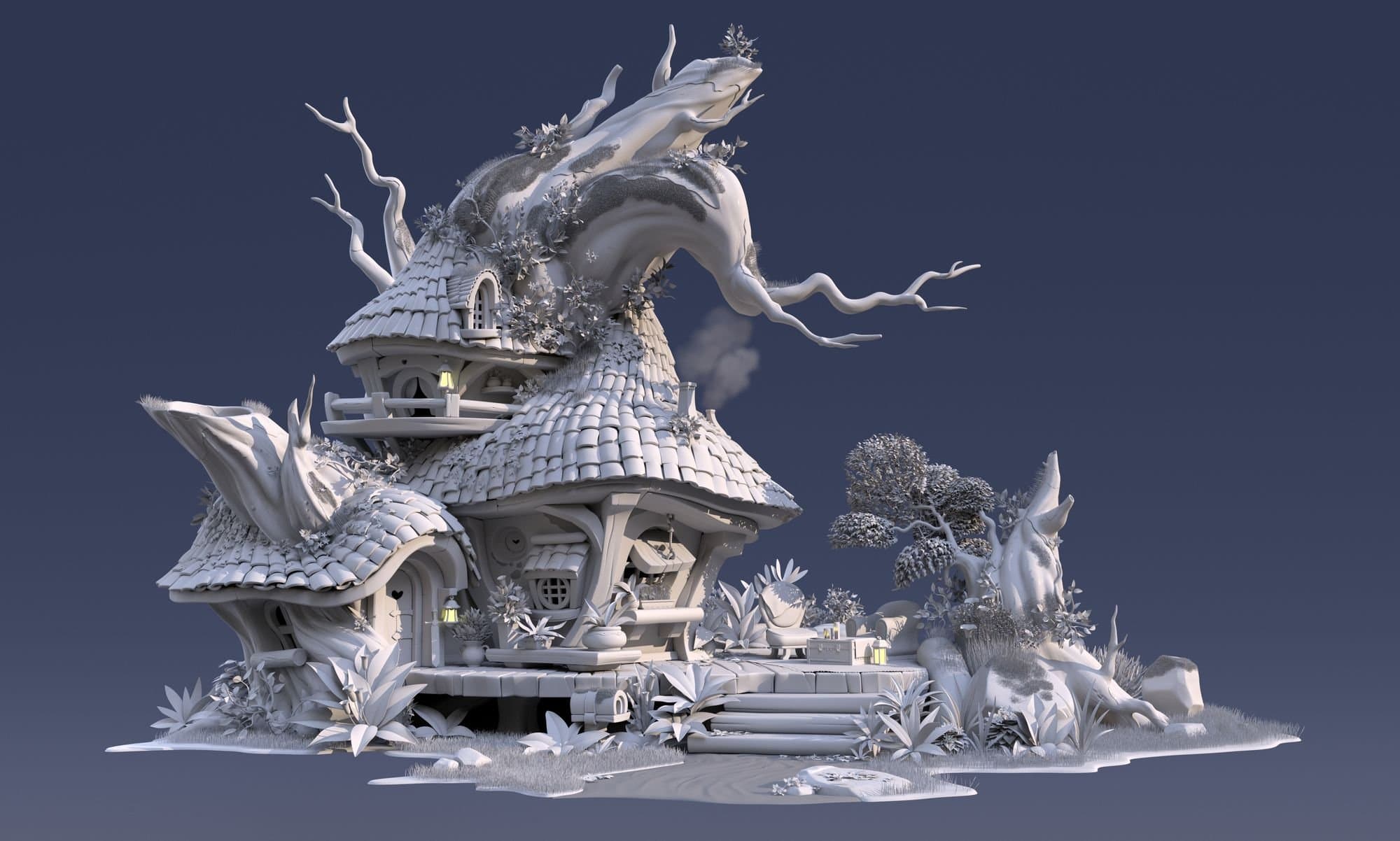
The journey of 3D printing started with the invention of Stereolithography (SLA) by Chuck Hull in 1983. This early form of additive manufacturing was primarily used in industrial settings due to its high cost and complexity. However, the emergence of desktop 3D printers in the early 2000s, such as those using Fused Deposition Modeling (FDM), democratized the technology. These affordable machines allowed hobbyists, entrepreneurs, and educators to experiment with 3D printing, paving the way for widespread adoption.
Today, 3D printing is more accessible and versatile than ever. Advanced materials, sophisticated software, and a thriving community of makers are pushing the boundaries of what’s possible. Whether it's creating intricate jewelry or producing lightweight components for spacecraft, the applications of 3D printing are expanding rapidly.
How 3D Printing Works
At its core, 3D printing involves building objects layer by layer from digital 3D models. The process typically includes the following steps:
- Design: A digital 3D model is created using computer-aided design (CAD) software.
- Slicing: The 3D model is divided into thin layers using specialized software.
- Printing: The 3D printer deposits or cures material layer by layer, following the sliced design.
- Post-Processing: Depending on the technology and material, the printed object may require cleaning, curing, or removal of support structures.
This method allows for precise control over the final product, making it ideal for creating complex geometries that would be difficult or impossible to achieve with traditional manufacturing techniques.
Top 12 Common Uses of 3D Printing
1. Prototyping
3D printing enables rapid prototyping, allowing designers and engineers to test and refine their ideas quickly. This is particularly valuable in industries like automotive and aerospace, where iterative design is crucial.
2. Personalized Prosthetics
Custom-designed prosthetics offer improved fit, functionality, and affordability. 3D printing allows for the creation of prosthetics that are tailored to each user, significantly improving mobility and quality of life.
3. Architectural Models
Architects and designers use 3D printing to create detailed scale models of buildings and structures. These models help visualize designs and communicate ideas effectively during the planning phase.
4. Creative Arts
Artists and designers are leveraging 3D printing to create sculptures, jewelry, and fashion accessories. The technology allows for intricate designs that would be challenging to achieve through traditional methods.
5. Food Printing
3D food printing is gaining traction in the culinary world. Chefs are using this technology to create intricate chocolate designs, personalized candies, and experimental dishes, opening up new possibilities for creative expression.
6. Dental Applications
In dentistry, 3D printing is used to produce dental models, surgical guides, and even temporary restorations. This technology enhances precision and improves patient outcomes.
7. Consumer Goods
From custom phone cases to personalized gifts, 3D printing offers endless possibilities for consumer goods. It allows for the creation of unique, tailored products that cater to individual preferences.
8. Education
3D printing is transforming education by providing hands-on learning experiences. Students can design, print, and test their ideas, fostering creativity and problem-solving skills.
9. Industrial Manufacturing
3D printing is being used to produce jigs, fixtures, and other tooling in-house, reducing lead times and costs. This application is particularly beneficial in industries where rapid prototyping and customization are essential.
10. Aerospace and Automotive
In the aerospace and automotive industries, 3D printing is used to create lightweight, high-performance parts. This technology helps reduce fuel consumption and improve overall performance.
11. Medical Devices
3D printing is revolutionizing the production of medical devices, from implants to surgical instruments. Customized devices offer improved functionality and better patient outcomes.
12. Research and Development
Researchers are using 3D printing to explore new materials, processes, and applications across various fields. This technology enables experimentation and innovation, driving advancements in multiple disciplines.
Choosing the Right 3D Printer
Selecting the right 3D printer depends on your specific needs and budget. Here are some key factors to consider:
- Printing Technology: FDM printers are affordable and versatile, while SLA printers offer higher resolution and smoother finishes.
- Build Volume: Consider the size of the objects you plan to print.
- Materials: Ensure the printer supports the materials you need, such as PLA, ABS, or resins.
- Resolution and Accuracy: Higher resolution means finer details, while accuracy ensures dimensional precision.
- Software Compatibility: Check if the printer works with your preferred 3D design and slicing software.
- Budget: Desktop 3D printers range in price from a few hundred to several thousand dollars.
Sustainability and 3D Printing
One of the most significant advantages of 3D printing is its potential for sustainability. Additive manufacturing uses only the material needed, minimizing waste compared to subtractive methods. Additionally, on-demand production reduces overproduction and transportation-related emissions. Localized manufacturing further decreases reliance on global supply chains, contributing to a more eco-friendly approach to production.
Challenges and Troubleshooting
Despite its many benefits, 3D printing can present challenges. Common issues include print bed adhesion problems, stringing, clogged nozzles, and layer shifting. Addressing these issues often involves adjusting settings, using different materials, or maintaining the printer properly. Online communities and resources can provide valuable guidance for troubleshooting and improving print quality.
The Future of 3D Printing
As 3D printing continues to evolve, its impact on industries and everyday life will only grow. Advances in materials, software, and hardware are expanding the possibilities of what can be created. From bioprinting organs to printing entire homes, the future of 3D printing holds immense potential. As the technology becomes more accessible and affordable, it will empower more people to innovate, create, and solve problems in ways previously unimaginable.


Comments
Post a Comment