The Evolution and Impact of Biotechnology in Modern Society
Biotechnology, a field that has transformed the way we approach medicine, agriculture, and environmental sustainability, is rooted in the manipulation of living organisms to solve complex problems. From ancient practices like bread-making and cheese production to the cutting-edge genetic engineering of today, biotechnology has evolved significantly over the decades. This article explores the history, applications, and future of biotechnology, highlighting its profound impact on human life and the environment.
The Origins of Biotechnology
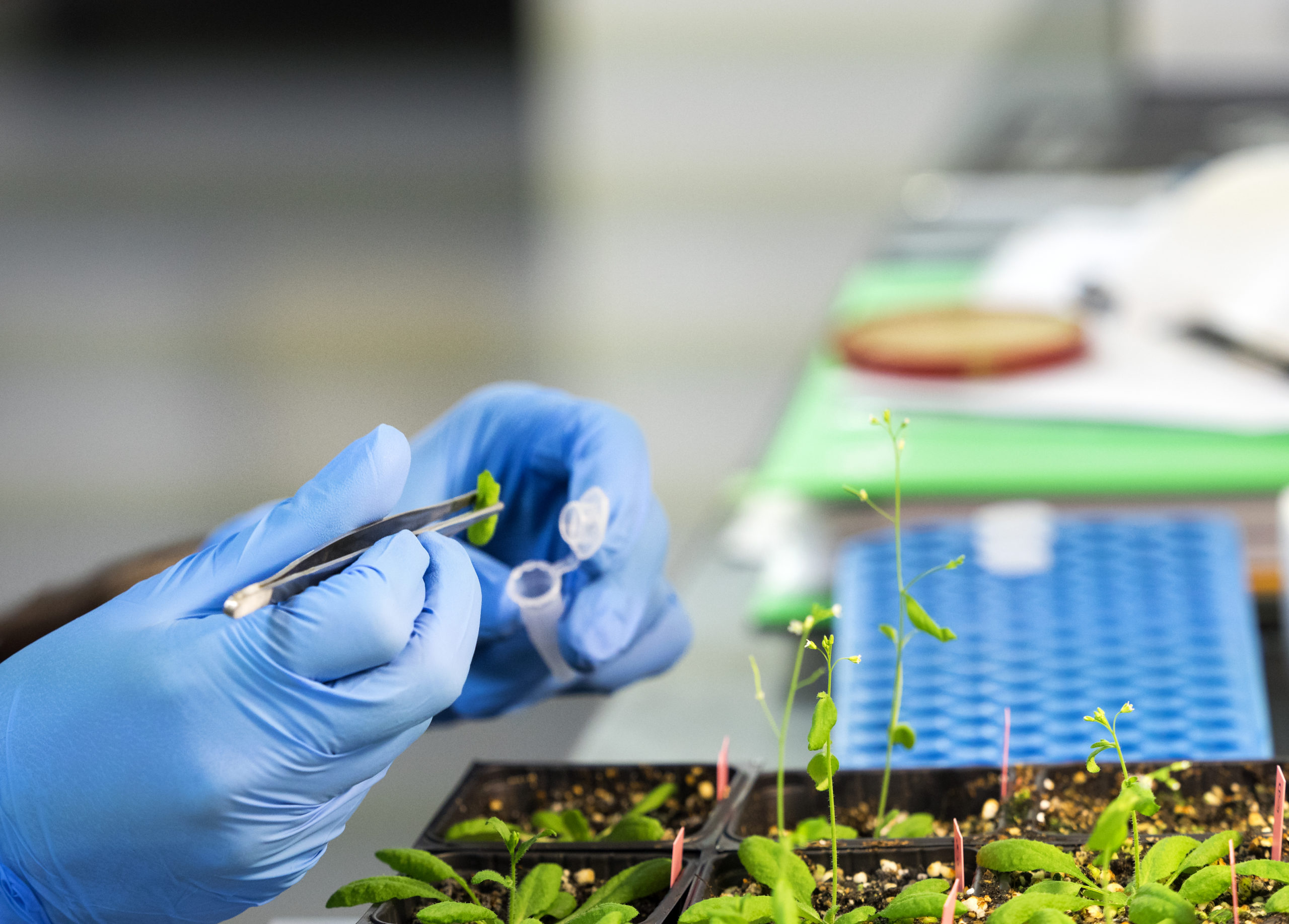
The concept of biotechnology dates back thousands of years, with early humans using biological processes to improve their quality of life. For instance, the domestication of plants and animals marked the beginning of agricultural biotechnology. Around 6,000 years ago, humans began harnessing microorganisms for food production, such as making bread, beer, and cheese. These early practices laid the foundation for what we now recognize as modern biotechnology.
However, the term "biotechnology" as we know it today emerged in the mid-20th century, coinciding with advancements in molecular biology. The development of recombinant DNA technology in the 1970s marked a pivotal moment in the field, enabling scientists to manipulate genetic material with unprecedented precision. This breakthrough led to the creation of the first biotech companies, such as Genentech, which commercialized genetically engineered products for medical and environmental applications.
Applications in Medicine
One of the most significant areas where biotechnology has made an impact is medicine. The ability to produce therapeutic proteins and drugs through genetic engineering has revolutionized healthcare. For example, synthetic insulin, produced by genetically modified bacteria, has been a lifesaver for millions of diabetes patients. Similarly, the development of monoclonal antibodies has transformed the treatment of various diseases, including cancer and autoimmune disorders.
Biotechnology has also played a crucial role in the development of vaccines. The first recombinant vaccine, approved in 1986, was produced by cloning a gene fragment from the hepatitis B virus into yeast. This innovation not only improved the safety of vaccines but also increased their availability. Today, there are over 100 recombinant drugs and vaccines available, many of which have addressed previously untreatable conditions.
In addition to drug production, biotechnology has enhanced diagnostic tools. Techniques like polymerase chain reaction (PCR) allow for the rapid detection of pathogens, while genetic testing has become instrumental in identifying hereditary diseases. These advancements have significantly improved patient outcomes and personalized medicine.
Agricultural Biotechnology
Agricultural biotechnology has also seen remarkable progress, particularly in the development of genetically modified (GM) crops. These crops are engineered to be more resistant to pests, diseases, and environmental stresses, leading to higher yields and reduced reliance on chemical pesticides. For example, Bt cotton and Bt corn, which contain genes from the bacterium Bacillus thuringiensis, have effectively controlled insect populations, reducing the need for harmful insecticides.
Moreover, biotechnology has enabled the production of crops with enhanced nutritional content. Golden rice, enriched with vitamin A, is a prime example of how biotechnology can address global health issues, such as malnutrition. Additionally, the use of transgenic plants to produce pharmaceuticals, such as human serum albumin and vaccines, has opened new avenues in the biopharmaceutical industry.
Environmental Biotechnology
Environmental biotechnology focuses on using biological processes to address pollution and environmental degradation. One of the key applications is bioremediation, where microorganisms are used to clean up contaminated sites. For instance, certain bacteria can break down oil spills, while others can degrade toxic chemicals in soil and water.
Biotechnology also plays a vital role in the production of biofuels. Algae, for example, can be cultivated to produce biodiesel, offering a renewable alternative to fossil fuels. This not only reduces greenhouse gas emissions but also promotes energy independence. Furthermore, the development of biodegradable plastics and other eco-friendly materials has further contributed to sustainable practices.
Industrial and Marine Biotechnology
In the industrial sector, biotechnology has led to the production of enzymes, biofuels, and other valuable compounds. Enzymes derived from microorganisms are widely used in the food, textile, and pharmaceutical industries, enhancing efficiency and reducing environmental impact. For example, the use of enzymes in detergents has improved cleaning performance while minimizing the need for harsh chemicals.
Marine or aquatic biotechnology, often referred to as "blue biotechnology," explores the potential of marine resources for various applications. From the development of antifreeze proteins in fish to the discovery of novel compounds in coral reefs, this field offers promising solutions for both medical and industrial purposes. Additionally, aquaculture has benefited from biotechnology, with the creation of transgenic fish that grow faster and are more resilient to diseases.
Ethical and Safety Considerations
While biotechnology holds immense potential, it also raises ethical and safety concerns. The use of genetically modified organisms (GMOs) in agriculture and food production has sparked debates about their long-term effects on human health and the environment. Concerns include the potential for unintended consequences, such as the development of resistant pests or the disruption of ecosystems.
In medicine, the ethical implications of gene therapy and stem cell research continue to be a topic of discussion. Questions about the modification of human embryos and the potential for "designer babies" highlight the need for careful regulation and public dialogue. Ensuring that biotechnology is used responsibly and equitably is essential to gaining public trust and acceptance.
The Future of Biotechnology
Looking ahead, the future of biotechnology is promising. Advances in gene editing technologies, such as CRISPR-Cas9, are poised to revolutionize the field, enabling more precise and efficient modifications of genetic material. These innovations could lead to breakthroughs in treating genetic disorders, developing climate-resilient crops, and creating sustainable energy sources.
As biotechnology continues to evolve, it is crucial to foster collaboration between scientists, policymakers, and the public. Transparent communication about the benefits and risks of biotechnology will be key to addressing societal concerns and ensuring that its potential is realized in a responsible manner.
In conclusion, biotechnology has come a long way since its inception, transforming various aspects of our lives. From medicine to agriculture and environmental sustainability, its impact is undeniable. As we move forward, it is essential to embrace the opportunities that biotechnology offers while remaining vigilant about its challenges and ethical implications. By doing so, we can harness the power of biotechnology to create a healthier, more sustainable future for all.


Comments
Post a Comment