Smart Home Revolution: Discover the Latest IoT Devices for 2025
Smart home technology has evolved dramatically over the past decade, transforming how people interact with their living spaces. As we approach 2025, the Internet of Things (IoT) continues to drive innovation in smart home devices, offering unprecedented convenience, security, and energy efficiency. From voice-activated assistants to AI-powered thermostats, the market is brimming with cutting-edge solutions that cater to a wide range of needs. These advancements are not just about making homes smarter; they're about creating environments that adapt to the lifestyles of their occupants. The integration of IoT devices into everyday household functions has become more seamless than ever, allowing users to control their homes from anywhere, at any time.
The Rise of Voice-Activated Assistants
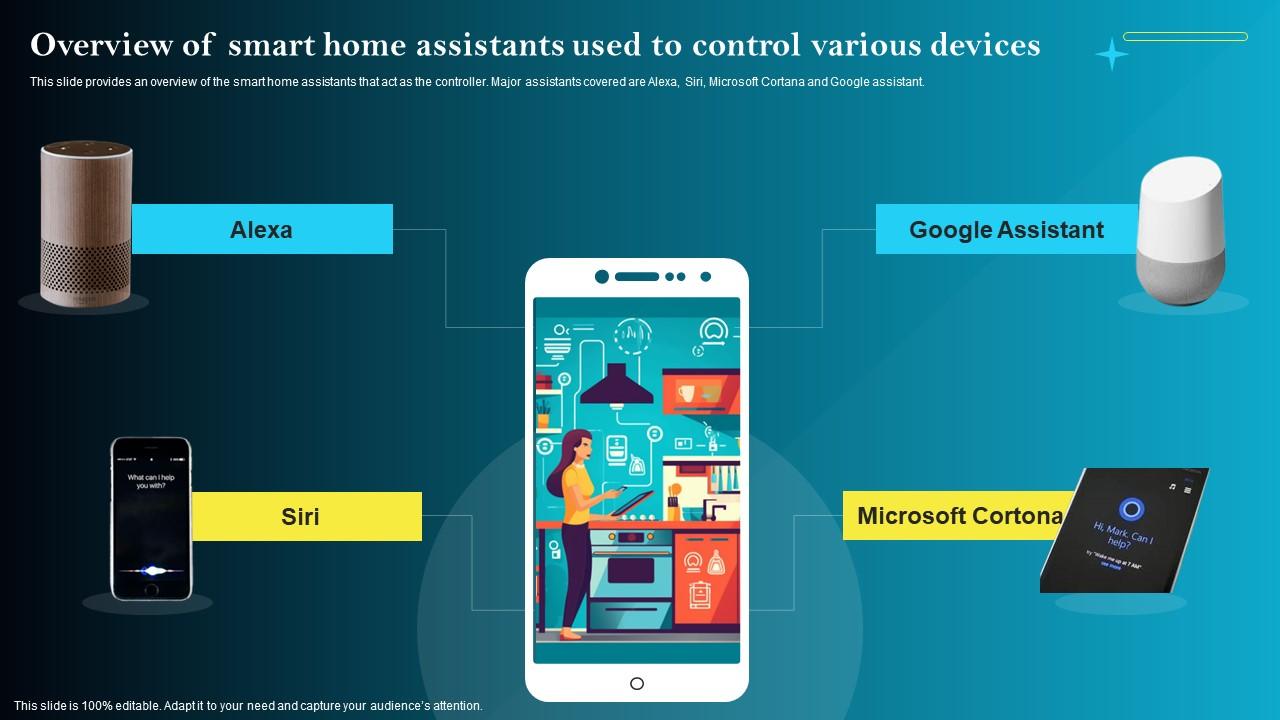
Voice-activated assistants have become the central hub for many smart homes, serving as the primary interface for controlling other connected devices. Devices like Amazon's Alexa, Google Assistant, and Apple's Siri have evolved beyond simple task execution, now capable of managing entire home ecosystems. These assistants can adjust lighting, regulate temperature, monitor security systems, and even manage grocery lists based on inventory tracked by smart appliances. The latest models feature enhanced natural language processing, enabling them to understand complex commands and provide more personalized responses. As these devices become more sophisticated, they are increasingly integrated with other smart home components, creating a unified and intuitive user experience.
AI-Powered Thermostats and Energy Management Systems
One of the most significant advancements in smart home technology is the development of AI-powered thermostats and energy management systems. These devices use machine learning algorithms to analyze user behavior and environmental conditions, optimizing heating and cooling schedules to maximize comfort while minimizing energy consumption. Companies like Nest and Ecobee have introduced models that learn from user preferences and adjust settings accordingly, leading to substantial savings on utility bills. Additionally, these systems can integrate with solar panels and smart grids, further enhancing energy efficiency. As climate change continues to impact global energy demands, such innovations are becoming essential for sustainable living.
Enhanced Security Through Smart Surveillance
Home security has also seen a major transformation with the introduction of smart surveillance systems. Traditional security cameras have been replaced by high-definition, AI-enabled devices that can detect motion, recognize faces, and send real-time alerts to homeowners' smartphones. Brands like Ring and Arlo have pioneered this shift, offering doorbells with built-in cameras, outdoor cameras with night vision, and even robotic lawn mowers that double as security monitors. These systems are often paired with smart locks and alarm systems, creating a comprehensive security network that can be managed remotely. The integration of facial recognition technology has further elevated the capabilities of these devices, making it easier to distinguish between family members, visitors, and potential intruders.
Smart Lighting and Automation Systems
Lighting is another area where IoT devices have made a significant impact. Smart bulbs and switches allow users to control the brightness, color, and scheduling of their home's lighting from a smartphone or voice command. Advanced systems can automatically adjust lighting based on the time of day, occupancy, or even mood, creating a more personalized and energy-efficient environment. Companies like Philips Hue and LIFX have expanded their product lines to include smart light strips, ceiling fans, and even mirrors with integrated lighting. These innovations not only enhance aesthetics but also contribute to better sleep patterns and improved productivity by mimicking natural light cycles.
Integration with Health and Wellness Technologies
As the focus on health and wellness grows, smart home devices are increasingly being designed to support physical and mental well-being. Smart scales, air quality monitors, and even bathroom sensors that track hydration levels are becoming common in modern homes. These devices collect data and provide insights that help users make informed decisions about their health. For example, smart air purifiers can detect pollutants and automatically adjust their settings to improve indoor air quality. Similarly, smart mirrors equipped with biometric sensors can analyze skin conditions and offer skincare recommendations. This convergence of health and technology is reshaping how people think about their living spaces as extensions of their overall well-being.
Future Trends and Emerging Innovations
Looking ahead, the smart home industry is poised for even greater advancements. Emerging technologies such as 5G connectivity, edge computing, and augmented reality are expected to enhance the performance and functionality of IoT devices. Additionally, the rise of open-source platforms and interoperability standards will make it easier for consumers to mix and match products from different brands. As these trends continue to unfold, the smart home revolution will likely become even more immersive, intuitive, and integral to daily life. The key to unlocking the full potential of these innovations lies in continued research, consumer education, and the development of user-friendly interfaces that cater to all age groups and technical abilities.


Comments
Post a Comment