Smart Home Innovations: Real-World Examples of IoT in Everyday Life
Smart home innovations have transformed the way people interact with their living spaces, making daily tasks more efficient and convenient. The Internet of Things (IoT) has become a cornerstone of modern technology, enabling devices to communicate and operate seamlessly. From smart thermostats that adjust temperature based on user preferences to security systems that send real-time alerts, the applications of IoT in everyday life are vast and continually expanding. These innovations not only enhance comfort but also promote energy efficiency and safety. As more households adopt smart home technologies, the integration of IoT into daily routines is becoming increasingly common.
The Rise of Smart Home Devices
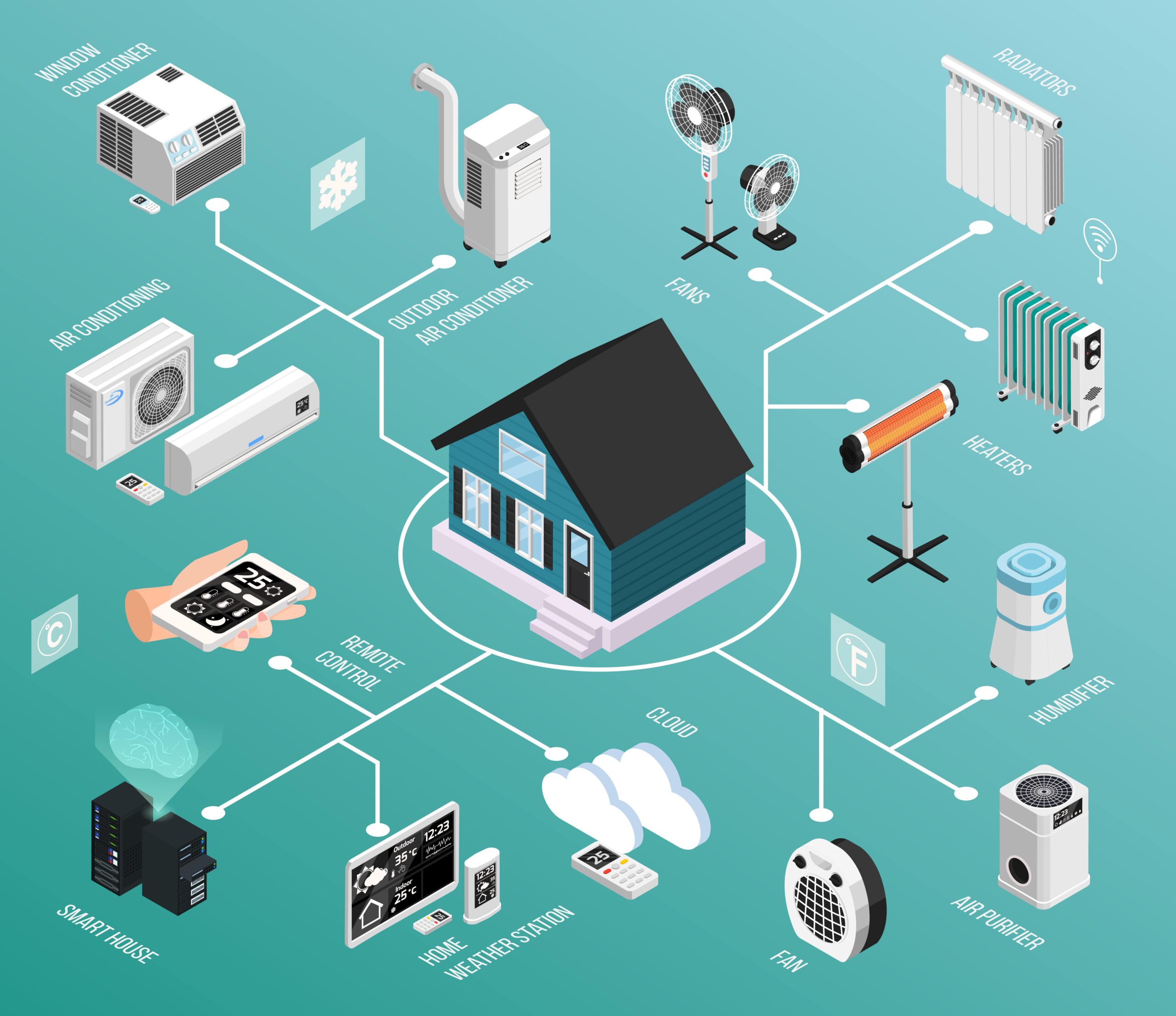
The proliferation of smart home devices can be attributed to advancements in wireless communication, cloud computing, and artificial intelligence. These technologies allow devices to collect and analyze data, making informed decisions without human intervention. For instance, smart speakers like Amazon Echo and Google Home have become central hubs for controlling other smart devices, offering voice-activated convenience. Users can adjust lighting, check security cameras, or even order groceries using simple voice commands. This level of integration simplifies household management and reduces the need for manual control.
Real-World Applications of IoT in Homes
One of the most popular applications of IoT in homes is smart thermostats. Devices like the Nest Learning Thermostat learn users' temperature preferences over time and automatically adjust settings to optimize energy usage. This not only enhances comfort but also leads to significant savings on utility bills. According to studies, homeowners who use smart thermostats can reduce heating and cooling costs by up to 15%. The ability to control these devices remotely via smartphone apps further adds to their appeal, allowing users to manage their home environment from anywhere.
Another notable example is smart security systems. Companies like Ring and Arlo offer doorbells and cameras equipped with motion detection and two-way audio. These devices provide real-time notifications when unusual activity is detected, giving homeowners peace of mind. Additionally, many systems integrate with mobile apps, enabling users to monitor their property and communicate with visitors remotely. The combination of surveillance and connectivity makes smart security systems an essential component of modern home safety.
Enhancing Energy Efficiency
Energy efficiency is another critical area where IoT has made a significant impact. Smart lighting systems, such as Philips Hue, allow users to control lights through mobile apps or voice commands. These systems can also adjust brightness based on natural light levels or user schedules, reducing unnecessary energy consumption. Furthermore, smart power outlets enable users to monitor and manage energy usage for individual appliances, identifying devices that consume excessive power. By providing detailed insights into energy consumption patterns, these technologies empower homeowners to make informed decisions about their energy use.
Improving Daily Living Through Automation
Automation is one of the most transformative aspects of smart home innovations. Devices like smart locks and automated garage doors streamline daily routines, eliminating the need for physical keys. For example, the August Smart Lock allows users to unlock their front door using a smartphone, providing convenience and security. Similarly, smart garage doors can be operated remotely, ensuring that homeowners never have to worry about forgetting their keys. These features not only enhance convenience but also contribute to a more seamless living experience.
Challenges and Considerations
Despite the numerous benefits, the adoption of smart home technologies also presents challenges. Privacy and security concerns are significant issues, as interconnected devices can be vulnerable to cyberattacks. To mitigate these risks, users must ensure that their devices are updated with the latest security patches and use strong, unique passwords. Additionally, the initial cost of smart home devices can be a barrier for some households. However, as technology advances and competition increases, prices are expected to decrease, making these innovations more accessible to a broader audience.
Future Trends in Smart Home Technology
The future of smart home technology looks promising, with ongoing developments in artificial intelligence and machine learning. These advancements will enable devices to become even more intuitive and responsive to user needs. For instance, AI-powered assistants may soon be able to anticipate user preferences and adjust home environments accordingly. Furthermore, the integration of smart home systems with other technologies, such as virtual reality and augmented reality, could create immersive experiences that redefine how people interact with their living spaces. As these trends continue to evolve, the potential for smart home innovations to enhance everyday life is limitless.


Comments
Post a Comment