Smart Healthcare 2024: 10 Real-World Examples of IoT in Medical Innovation
Smart Healthcare 2024 is transforming the medical industry through the integration of Internet of Things (IoT) technology. From wearable devices that monitor patient health in real-time to smart hospital systems that optimize resource management, IoT is playing a pivotal role in enhancing patient care and operational efficiency. As we move into 2024, the adoption of IoT in healthcare continues to grow, driven by advancements in connectivity, data analytics, and artificial intelligence. Here are ten real-world examples of how IoT is revolutionizing medical innovation this year.
Wearable Health Devices
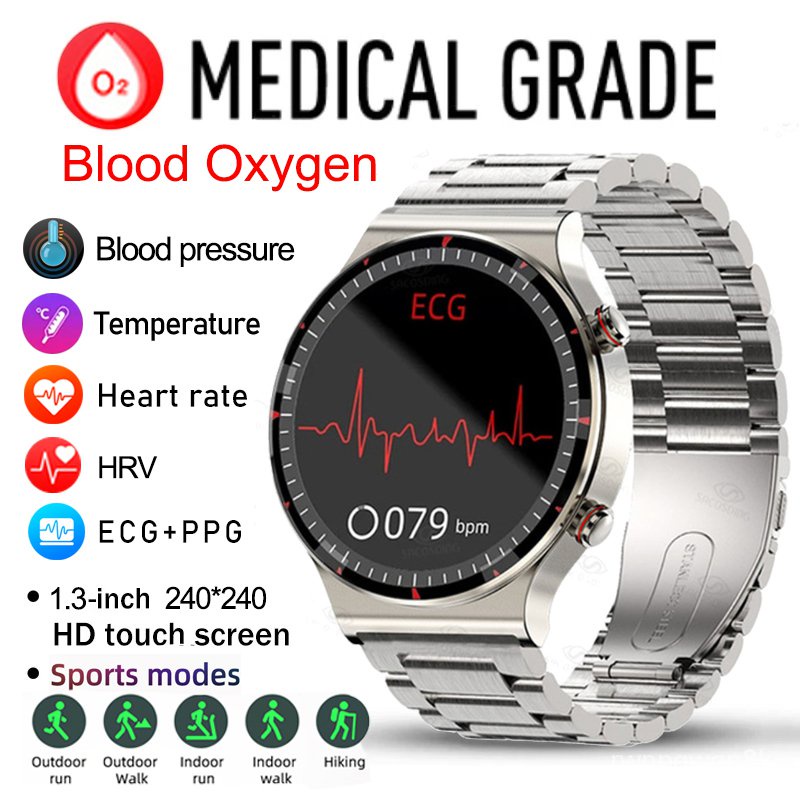
Wearable health devices have become increasingly sophisticated, offering continuous monitoring of vital signs and early detection of potential health issues. Companies like Fitbit and Apple have introduced smartwatches equipped with electrocardiogram (ECG) features, allowing users to track heart rhythms and detect irregularities. These devices not only empower individuals to take control of their health but also provide valuable data to healthcare providers for more personalized care.
Remote Patient Monitoring Systems
Remote patient monitoring (RPM) systems enable healthcare professionals to track patients' health conditions from a distance, reducing the need for frequent in-person visits. These systems use IoT-enabled sensors to collect data on blood pressure, glucose levels, and other critical metrics, which are then transmitted to healthcare providers for analysis. This approach is particularly beneficial for managing chronic conditions such as diabetes and hypertension, ensuring timely interventions when necessary.
Smart Hospital Rooms
Smart hospital rooms are redefining the patient experience by integrating IoT technology into the very fabric of the healthcare environment. These rooms feature automated lighting, temperature control, and even robotic assistants that can help with tasks such as medication delivery and patient communication. By minimizing manual interventions, smart hospital rooms improve efficiency and reduce the risk of errors, ultimately leading to better patient outcomes.
IoT in Medical Imaging
Medical imaging has seen significant advancements with the integration of IoT technology. Radiology departments now use connected imaging devices that can automatically send scans to cloud-based platforms for faster diagnosis and collaboration among healthcare professionals. Additionally, AI-powered image analysis tools are being used to detect anomalies more accurately, improving the speed and accuracy of diagnoses.
Telemedicine Platforms
Telemedicine platforms have gained traction, especially during the pandemic, and continue to thrive in 2024. These platforms leverage IoT to facilitate virtual consultations, remote diagnostics, and even robotic-assisted surgeries. Patients can access medical care from the comfort of their homes, while healthcare providers can reach a broader population, especially in rural or underserved areas.
Smart Medication Management
Smart medication management systems are helping to reduce errors and improve adherence to prescribed treatments. These systems use IoT-enabled pill dispensers that remind patients to take their medications and track usage. Some advanced models can even alert healthcare providers if a dose is missed, ensuring that patients receive the right treatment at the right time.
IoT-Enabled Implants
Implantable medical devices, such as pacemakers and insulin pumps, are now equipped with IoT capabilities, allowing them to communicate with external devices and healthcare providers. These implants can transmit real-time data about the patient's condition, enabling proactive adjustments to treatment plans. This level of connectivity enhances the effectiveness of these devices and improves patient safety.
Environmental Monitoring in Hospitals
Hospitals are using IoT to monitor environmental factors that can impact patient health, such as air quality, temperature, and humidity. Smart sensors are installed throughout facilities to detect changes in these conditions and automatically adjust HVAC systems to maintain optimal environments. This not only improves patient comfort but also reduces the risk of infections and other health complications.
IoT in Supply Chain Management
The healthcare supply chain is another area where IoT is making a significant impact. Connected inventory systems allow hospitals to track the availability of medical supplies in real-time, reducing waste and ensuring that essential items are always in stock. These systems can also predict demand based on historical data, enabling more efficient procurement and distribution processes.
Data Analytics for Predictive Healthcare
Finally, the integration of IoT with advanced data analytics is paving the way for predictive healthcare. By analyzing vast amounts of health data collected from various sources, healthcare providers can identify patterns and predict potential health issues before they occur. This proactive approach allows for earlier interventions, leading to better health outcomes and reduced healthcare costs.


Comments
Post a Comment