SEO for Beginners: 7 Simple Tips to Boost Your Website Ranking
In today’s digital age, having a strong online presence is crucial for any business. Search Engine Optimization (SEO) plays a vital role in making your website more visible on search engines like Google. However, for those new to the world of digital marketing, understanding SEO can feel overwhelming. If you've ever wondered, “Please explain SEO like I'm 5,” you're not alone. This article breaks down the essentials of SEO in a way that's easy to grasp, offering seven simple tips for beginners to boost their website ranking.
What is SEO Like I’m 5?
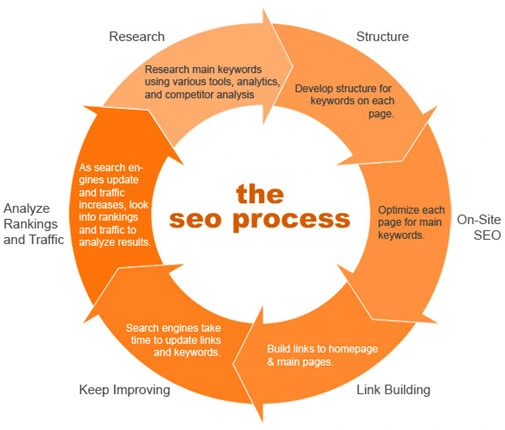
SEO stands for Search Engine Optimization. Think of it as a way to make your website more appealing to search engines so they can better understand what your site is about and why it's valuable. When someone searches for something on Google, the search engine looks at various factors to decide which websites to show first. SEO helps ensure your site appears high on these results pages, making it easier for people to find you.
To put it simply, SEO is like sprucing up your storefront so that customers can easily find it and want to visit. By optimizing your website, you're telling search engines that your site is worth visiting and providing useful information.
Why is SEO Important?
The importance of SEO lies in its ability to drive traffic to your website. Most users don’t go beyond the first page of search results, which means if your site isn't ranked highly, you're missing out on potential customers. Implementing effective SEO strategies increases the chances of appearing on that crucial first page, helping you attract more visitors and grow your business.
7 SEO Tips for Beginners
- Use Keywords Strategically
Keywords are the words and phrases people use when searching for information online. To improve your SEO, conduct thorough keyword research to identify the most relevant terms for your industry. Incorporate these keywords naturally into your content, avoiding keyword stuffing, which can harm your rankings. Focus on using them where they fit seamlessly within your text.
- Create High-Quality Content
Search engines favor content that is informative, engaging, and valuable. Ensure your website provides fresh insights, educational material, and actionable advice. Use visuals like images, videos, and infographics to enhance user experience and keep visitors on your site longer. Regularly update your content to maintain relevance and accuracy.
- Leverage Social Media
Social media platforms are powerful tools for increasing your website's visibility. Share your content across various social media channels to reach a broader audience. Encourage your followers to share your articles by including prominent share buttons and calls to action. Engaging with your audience builds brand awareness and strengthens your community.
- Highlight User Experience
A user-friendly design is essential for both visitors and search engines. Ensure your website is easy to navigate, visually appealing, and responsive. Use clear menus, intuitive icons, and consistent aesthetics to create a cohesive look. Enhance your UX with subtle feedback elements like animations or sounds without overdoing it.
- Improve Your Website's Technical SEO
Technical SEO involves optimizing your site's structure, speed, and functionality. Ensure your website has a clear hierarchy, use XML sitemaps and robots.txt files to guide search engines, and regularly audit your site for technical issues. Optimizing these elements tells search engines that your site is reliable and trustworthy.
- Optimize for Mobile Devices
With the majority of users accessing the internet on mobile devices, optimizing your site for mobile is crucial. Ensure your website is responsive, loads quickly, and is easy to navigate on smaller screens. Use mobile-specific techniques like Accelerated Mobile Pages (AMP) and optimize images for different screen sizes.
- Monitor and Track Your SEO Efforts
Continuously monitor your SEO performance using analytics tools like Google Analytics. Track key metrics such as organic traffic, bounce rate, and conversion rate to identify areas for improvement. Make data-driven adjustments to refine your strategy and stay ahead of algorithm changes.
By implementing these seven tips, you can significantly improve your website's visibility and attract more organic traffic. While some aspects of SEO, like technical optimization, may require professional assistance, there are many steps you can take on your own to enhance your search engine rankings.
Remember, SEO is an ongoing process that requires patience and dedication. Stay informed about the latest trends and best practices, and don't hesitate to seek help from experts if needed. With the right approach, you can unlock the full potential of your website and achieve long-term success in the digital landscape.


Comments
Post a Comment