Revolutionizing the Future: The Latest Breakthroughs in Robotics Advancement
Revolutionizing the Future: The Latest Breakthroughs in Robotics Advancement have captured the attention of scientists, engineers, and technologists worldwide. As we stand on the brink of a new era defined by artificial intelligence (AI) and automation, robotics has emerged as a cornerstone of innovation. From autonomous vehicles to advanced prosthetics, the field is evolving at an unprecedented pace, promising to reshape industries and everyday life. This article explores the most recent advancements that are pushing the boundaries of what robots can achieve.
Cutting-Edge Innovations in Robotics
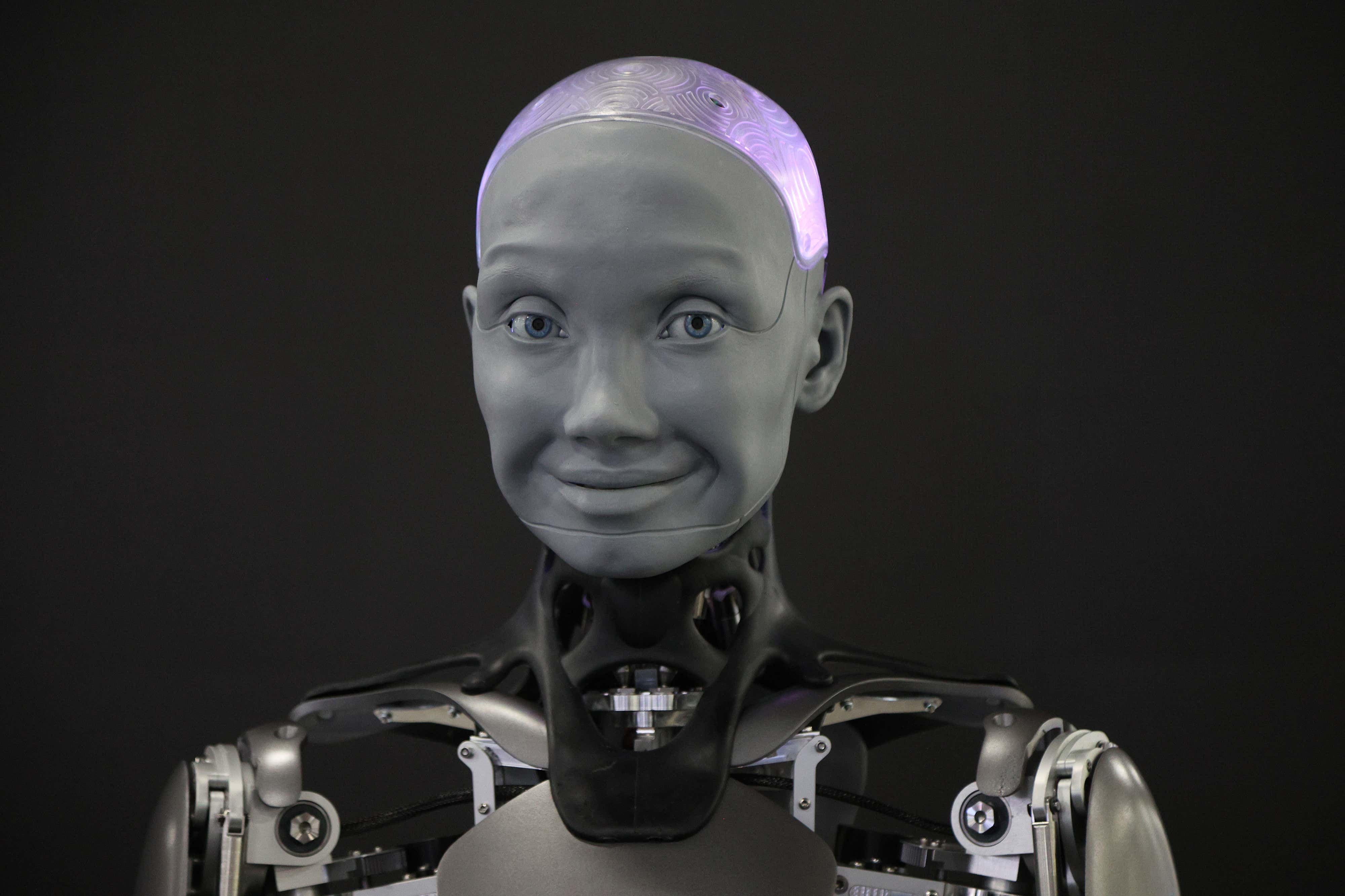
One of the most significant breakthroughs in recent years is the development of more sophisticated AI algorithms that enable robots to learn and adapt in real-time. These systems allow machines to process vast amounts of data, recognize patterns, and make decisions with minimal human intervention. For instance, companies like Boston Dynamics have introduced robots capable of navigating complex environments, such as disaster zones or industrial sites, with remarkable precision. These robots are equipped with sensors and machine learning models that help them avoid obstacles and adjust their movements dynamically.
Another area where robotics is making waves is in the healthcare sector. Surgical robots, such as the da Vinci system, have revolutionized minimally invasive procedures, offering greater accuracy and reduced recovery times for patients. Additionally, robotic exoskeletons are being developed to assist individuals with mobility impairments, enabling them to walk again through a combination of mechanical support and neural control. These innovations not only improve patient outcomes but also reduce the physical strain on medical professionals.
The Role of Collaborative Robots (Cobots)
Collaborative robots, or cobots, are another major advancement in the field of robotics. Unlike traditional industrial robots that operate in isolated environments, cobots are designed to work alongside humans in shared spaces. They are equipped with advanced safety features, such as force-limiting technology and real-time monitoring systems, which ensure that they can interact safely with people. This makes them ideal for applications in manufacturing, where they can assist workers with repetitive or dangerous tasks, thereby increasing productivity and reducing workplace injuries.
In addition to manufacturing, cobots are being integrated into service industries, such as hospitality and retail. For example, restaurants are using robotic servers to deliver food and manage inventory, while retail stores are employing robots to assist customers with navigation and product information. These applications not only enhance customer experiences but also free up human employees to focus on more complex and creative tasks.
Ethical Considerations and Challenges
While the advancements in robotics offer numerous benefits, they also raise important ethical considerations. One of the primary concerns is the potential displacement of human workers due to automation. As robots become more capable of performing tasks that were once exclusive to humans, there is a growing debate about how to address the economic and social implications of this shift. Policymakers and industry leaders are increasingly focused on developing strategies to reskill and retrain workers to ensure that they can adapt to the changing job market.
Another challenge is the issue of privacy and security. With the rise of AI-powered robots, there is a risk that personal data could be misused or exploited. For example, robots equipped with cameras and microphones may inadvertently collect sensitive information, leading to concerns about surveillance and data breaches. To mitigate these risks, developers are working on implementing robust encryption and secure communication protocols to protect user data.
The Future of Robotics
Looking ahead, the future of robotics holds immense potential. Researchers are exploring the integration of quantum computing and AI to create even more powerful and intelligent machines. Additionally, the development of soft robotics—robots made from flexible materials that can mimic biological structures—is opening up new possibilities for applications in fields such as medicine and environmental monitoring. These robots can navigate delicate environments without causing damage, making them ideal for tasks such as underwater exploration or surgical procedures.
Moreover, the concept of swarm robotics, where multiple small robots work together to accomplish a common goal, is gaining traction. This approach is inspired by the behavior of insects, such as ants and bees, which collaborate to achieve complex tasks. Swarm robotics has the potential to revolutionize areas such as agriculture, where large numbers of robots could be used to monitor crops and optimize resource use.
As we continue to push the boundaries of what is possible, it is clear that robotics will play a pivotal role in shaping the future. By embracing these advancements while addressing the associated challenges, we can harness the power of robotics to create a more efficient, safe, and sustainable world. The journey is just beginning, and the possibilities are truly limitless.


Comments
Post a Comment