Revolutionizing the Future: How Blockchain Innovation is Shaping Tomorrow's Technology Landscape
Revolutionizing the future of technology is no longer a distant dream but an ongoing reality, and at the forefront of this transformation lies blockchain innovation. As one of the most disruptive technologies of the 21st century, blockchain has transcended its origins as the backbone of cryptocurrencies like Bitcoin to become a foundational element in various industries, from finance and healthcare to supply chain management and beyond. Its potential to reshape how data is stored, shared, and secured is unparalleled, making it a cornerstone of tomorrow’s technological landscape.
The Core Principles of Blockchain Technology
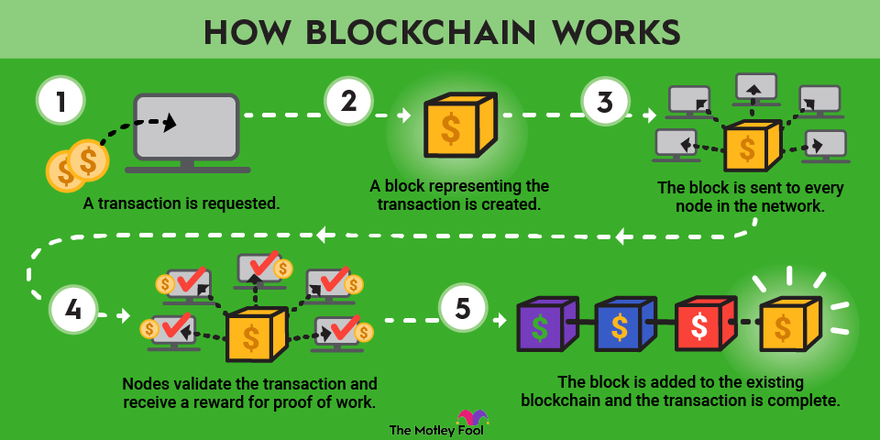
At its core, blockchain is a decentralized digital ledger that records transactions across a network of computers in a way that makes them secure, transparent, and nearly impossible to alter. Unlike traditional centralized systems, where a single entity controls the data, blockchain operates on a peer-to-peer network, ensuring that no single party has absolute control. This decentralization is one of the key reasons why blockchain is gaining traction across multiple sectors.
The technology relies on cryptographic hashing and consensus algorithms to validate and record transactions. Each block in the chain contains a list of transactions, and once added, it becomes part of a permanent and unchangeable record. This immutability is particularly valuable in industries where trust and transparency are paramount. For instance, in the financial sector, blockchain can reduce fraud by providing an auditable trail of every transaction. In healthcare, it can ensure the integrity of patient records while allowing secure sharing between authorized parties.
Blockchain in Finance: A New Era of Transparency
The financial industry has been one of the earliest adopters of blockchain technology, with many institutions exploring its potential to streamline processes and reduce costs. Traditional banking systems often involve intermediaries, which can slow down transactions and increase fees. Blockchain eliminates the need for these middlemen by enabling direct peer-to-peer transactions. This not only speeds up the process but also reduces the risk of errors and fraud.
Moreover, blockchain has given rise to decentralized finance (DeFi), a movement that aims to create an open and accessible financial system without the need for traditional banks. DeFi platforms allow users to lend, borrow, and trade assets using smart contracts—self-executing agreements that automatically enforce the terms of a contract. This has the potential to democratize access to financial services, especially for those who are underserved by traditional banking systems.
Another significant development is the emergence of central bank digital currencies (CBDCs), which are digital versions of national currencies backed by governments. Countries like China and the United States are actively exploring the use of CBDCs to enhance payment systems, improve monetary policy, and combat financial crimes. By leveraging blockchain, these digital currencies can offer greater security, efficiency, and traceability compared to traditional cash or electronic payments.
Beyond Finance: Blockchain in Other Industries
While the financial sector has seen the most visible applications of blockchain, its impact extends far beyond. In supply chain management, for example, blockchain can provide real-time tracking of goods from production to delivery. This level of transparency helps businesses identify inefficiencies, reduce delays, and ensure the authenticity of products. For consumers, this means greater confidence in the quality and origin of the items they purchase.
In the healthcare industry, blockchain can revolutionize the way medical records are managed. Currently, patient data is often siloed across different providers, making it difficult to share information securely. With blockchain, patients can have control over their health data, granting access to specific healthcare providers when needed. This not only improves the coordination of care but also enhances privacy and security.
Education is another sector where blockchain is making waves. Institutions are beginning to use blockchain to issue and verify academic credentials, reducing the risk of fraud and streamlining the hiring process for employers. By storing diplomas and certifications on a blockchain, individuals can easily share their qualifications with potential employers, eliminating the need for third-party verification.
Challenges and the Road Ahead
Despite its promise, blockchain technology is not without challenges. One of the primary concerns is scalability. While early blockchain networks like Bitcoin and Ethereum have proven their capabilities, they struggle to handle large volumes of transactions efficiently. To address this, developers are working on solutions such as layer-2 scaling protocols and alternative consensus mechanisms like proof-of-stake.
Regulatory uncertainty is another hurdle. As blockchain continues to evolve, governments around the world are grappling with how to regulate it without stifling innovation. Some countries have taken a proactive approach, creating favorable environments for blockchain startups, while others remain cautious, fearing the potential risks associated with decentralized systems.
Additionally, energy consumption remains a contentious issue, particularly for blockchain networks that rely on proof-of-work consensus mechanisms. The environmental impact of mining operations has drawn criticism, prompting the development of more sustainable alternatives.
Conclusion
Blockchain innovation is undeniably shaping the future of technology, offering a new paradigm for data management, security, and transparency. From finance to healthcare, supply chain management to education, its applications are vast and varied. While challenges remain, the potential for blockchain to drive progress and create a more equitable and efficient world is immense. As the technology continues to mature, it will be fascinating to see how it transforms industries and redefines the way we interact with digital systems.


Comments
Post a Comment