Revolutionizing Industries: How Blockchain Technology is Shaping the Future in the United States
Revolutionizing industries across the United States, blockchain technology is no longer a concept confined to the realm of cryptocurrency. Its decentralized, secure, and transparent nature is reshaping sectors from finance and healthcare to supply chain management and real estate. As businesses and governments seek innovative solutions to enhance efficiency, reduce fraud, and build trust, blockchain is emerging as a transformative force. This article explores how blockchain is shaping the future in the U.S., highlighting its applications, benefits, and the challenges that lie ahead.
The Rise of Blockchain in the U.S.
The adoption of blockchain technology in the United States has been steadily increasing over the past decade. Initially associated with Bitcoin and other digital currencies, blockchain has since evolved into a versatile tool with applications far beyond financial transactions. According to a report by the National Institute of Standards and Technology (NIST), blockchain is being explored for use in everything from identity verification to voting systems. In 2023, the U.S. government launched several pilot programs to test blockchain’s potential in improving public services, signaling a growing recognition of its value.
Applications Across Key Industries
Blockchain technology is making waves in various industries, each leveraging its unique features to solve longstanding problems. In the financial sector, blockchain is revolutionizing how transactions are processed and verified. Banks and fintech companies are using blockchain to streamline cross-border payments, reduce settlement times, and enhance security. For example, JPMorgan Chase has developed its own blockchain-based payment system, JPM Coin, which enables instant transfers between institutional clients.
In healthcare, blockchain is being used to securely store and share patient data. With the rise of electronic health records (EHRs), ensuring data privacy and interoperability has become a major challenge. Blockchain offers a solution by allowing patients to control access to their medical information while maintaining a tamper-proof record. Companies like Hashed Health are working on blockchain platforms that facilitate secure data exchange between hospitals, insurers, and patients.
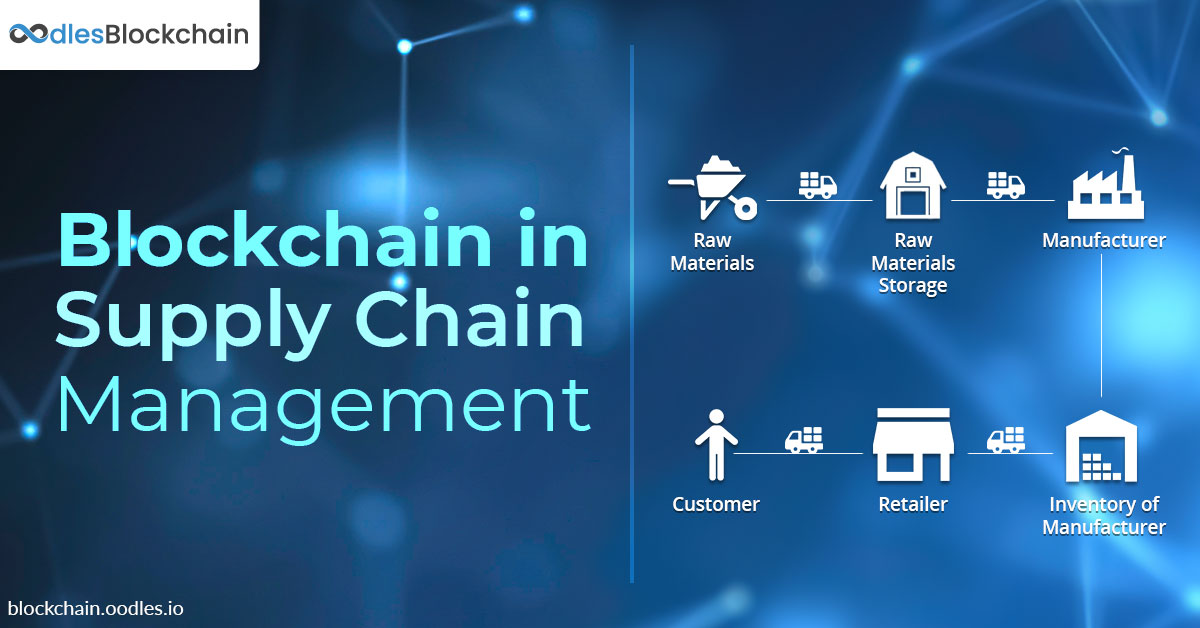
Supply chain management is another area where blockchain is proving invaluable. By creating an immutable ledger of product movements, blockchain helps companies track goods from origin to destination. This transparency reduces the risk of counterfeiting and improves accountability. Walmart, for instance, has implemented a blockchain system to trace the source of its food products, significantly reducing the time it takes to identify contaminated items.
Enhancing Transparency and Trust
One of the most significant advantages of blockchain is its ability to create transparency and build trust. In an era where data breaches and fraud are common, blockchain's decentralized structure ensures that no single entity controls the entire network. This makes it extremely difficult for malicious actors to alter or manipulate data.
In the real estate industry, blockchain is being used to simplify property transactions. Traditional real estate deals involve multiple intermediaries, which can lead to delays and increased costs. By using smart contracts—self-executing agreements stored on the blockchain—buyers and sellers can automate the process, reducing the need for manual oversight. Platforms like Propy are already facilitating real estate transactions using blockchain, offering a more efficient and secure alternative to traditional methods.
Challenges and Considerations
Despite its many benefits, the widespread adoption of blockchain technology in the United States faces several challenges. One of the primary concerns is regulatory uncertainty. While some states have taken steps to create a favorable environment for blockchain innovation, others remain cautious. The lack of a unified federal framework creates confusion for businesses looking to implement blockchain solutions.
Another challenge is scalability. While blockchain networks like Bitcoin and Ethereum have demonstrated their potential, they often struggle with high transaction fees and slow processing times. To address this, developers are working on next-generation blockchains that offer faster speeds and lower costs. Projects like Solana and Polkadot are gaining traction for their ability to handle large volumes of transactions efficiently.
Additionally, there is a need for greater public awareness and education about blockchain technology. Many people still associate it solely with cryptocurrencies, failing to recognize its broader applications. As more industries explore blockchain, it will be essential to invest in training programs and public outreach initiatives to ensure widespread understanding and acceptance.
The Future of Blockchain in the U.S.
As blockchain technology continues to evolve, its impact on the United States is likely to grow even further. With ongoing research, investment, and policy development, the country is well-positioned to lead the global blockchain revolution. From enhancing financial systems to transforming healthcare and supply chains, blockchain is poised to play a central role in shaping the future of business and society.
For businesses and individuals alike, embracing blockchain is not just about keeping up with trends—it's about preparing for a future where transparency, security, and efficiency are paramount. As the technology matures and becomes more accessible, its potential to drive innovation and economic growth in the United States will only continue to expand.


Comments
Post a Comment