Real Life Examples of Artificial Intelligence Transforming Today's World
Real Life Examples of Artificial Intelligence Transforming Today's World
Artificial intelligence (AI) is no longer a concept confined to science fiction; it has become an integral part of our daily lives, reshaping industries and redefining the way we interact with technology. From healthcare to transportation, education to entertainment, AI is driving innovation and efficiency in ways that were once unimaginable. As this technology continues to evolve, its impact on society becomes more profound, offering both opportunities and challenges. Below are real-life examples of how artificial intelligence is transforming today’s world.
Healthcare: Enhancing Diagnostics and Treatment
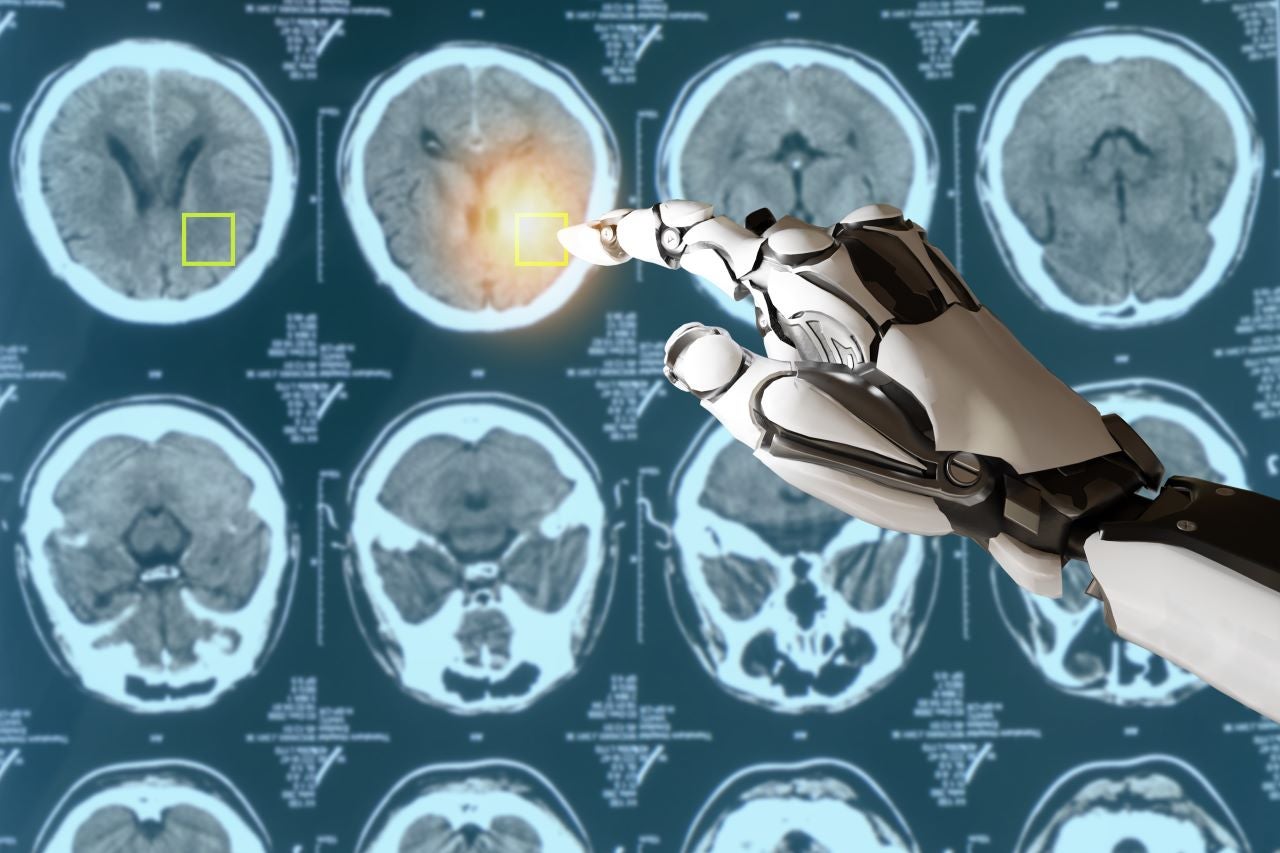
One of the most significant areas where AI is making a difference is in healthcare. Machine learning algorithms are now being used to analyze medical data with unprecedented accuracy. For instance, AI-powered tools can detect early signs of diseases such as cancer by analyzing medical images like X-rays and MRIs. These systems not only improve diagnostic accuracy but also reduce the time required for diagnosis, allowing for quicker treatment. In addition, AI is being used to personalize treatment plans based on a patient’s genetic makeup, leading to more effective and targeted therapies.
Transportation: The Rise of Autonomous Vehicles
The transportation industry is undergoing a revolution thanks to AI. Companies like Tesla, Waymo, and Uber are investing heavily in autonomous vehicle technology, which relies on AI to navigate roads, avoid obstacles, and make real-time decisions. Self-driving cars have the potential to reduce accidents caused by human error, improve traffic flow, and provide mobility solutions for those who cannot drive. Moreover, AI is being used in logistics and supply chain management to optimize delivery routes and reduce fuel consumption, making transportation more efficient and environmentally friendly.
Education: Personalized Learning Experiences
In the field of education, AI is enabling personalized learning experiences that cater to individual student needs. Intelligent tutoring systems use AI to adapt lessons and exercises based on a student’s performance, helping them learn at their own pace. Additionally, AI-powered tools can grade assignments, provide instant feedback, and even identify students who may be struggling and require additional support. This level of customization not only enhances the learning process but also helps educators focus on more meaningful interactions with their students.
Retail: Revolutionizing Customer Experience
The retail sector has also been transformed by AI. Online retailers like Amazon use AI to recommend products based on customer behavior and preferences, significantly improving the shopping experience. AI-powered chatbots are now commonly used to assist customers with inquiries, process orders, and resolve issues in real-time. Furthermore, AI is being used to analyze consumer trends and predict demand, allowing businesses to manage inventory more effectively and reduce waste. These innovations are not only enhancing customer satisfaction but also increasing operational efficiency.
Finance: Fraud Detection and Risk Management
In the financial industry, AI is playing a crucial role in fraud detection and risk management. Banks and financial institutions are using machine learning algorithms to detect unusual transactions and flag potential fraud in real-time. These systems can analyze vast amounts of data to identify patterns that may indicate fraudulent activity, helping to prevent losses and protect customers. Additionally, AI is being used to assess credit risk, enabling lenders to make more informed decisions and offer better terms to borrowers.
Environmental Sustainability: Addressing Climate Change
Artificial intelligence is also being leveraged to address some of the most pressing environmental challenges. AI models are used to analyze climate data, predict weather patterns, and monitor environmental changes. These insights help scientists and policymakers develop strategies to mitigate the effects of climate change. For example, AI is being used to optimize energy consumption in smart grids, reduce carbon emissions through predictive maintenance, and even track deforestation using satellite imagery. By harnessing the power of AI, we can work towards a more sustainable future.
Conclusion: The Future of AI
As AI continues to advance, its impact on various sectors will only grow. While there are concerns about job displacement and ethical implications, the benefits of AI are undeniable. From improving healthcare outcomes to revolutionizing transportation and education, AI is transforming the world in ways that were once thought impossible. As we move forward, it is essential to ensure that the development and deployment of AI are guided by ethical principles and a commitment to societal well-being. The future of AI is bright, and its potential to enhance our lives is limitless.


Comments
Post a Comment