Mastering the 7 Essential Steps of SEO for Beginners in the United States
Search engine optimization (SEO) is a critical component of digital marketing, especially for businesses and individuals looking to increase their online visibility. In the United States, where the internet plays a pivotal role in daily life, understanding and implementing SEO strategies can make a significant difference in how well your website performs. This guide will walk you through the seven essential steps of SEO that every beginner should know.
Understanding the Basics of SEO
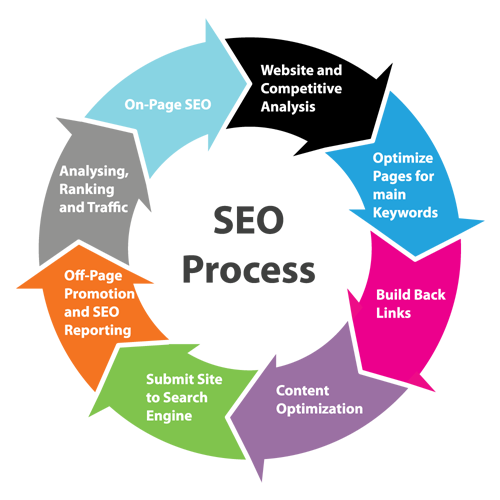
SEO is the process of optimizing your website to improve its visibility on search engines like Google. The goal is to rank higher in search results, which can lead to increased traffic and potential customers. For beginners, it's important to recognize that SEO is not a one-time task but a continuous process that requires attention and adaptation.
The foundation of SEO lies in understanding keywords—terms and phrases that users type into search engines when looking for information. Identifying the right keywords for your content is crucial because it helps search engines match your site with the queries of your target audience.
Step 1: Site Submission
Before diving into more complex SEO techniques, the first step is to ensure that your website is indexed by search engines. This involves submitting your site to major search engines like Google and Bing. While many platforms automatically submit sites, manually doing so can help speed up the indexing process.
Additionally, creating an XML sitemap and submitting it to search engines can further enhance your site’s visibility. A sitemap acts as a roadmap for search engines, guiding them through your website’s structure and content.
Step 2: Find Your Keywords
Once your site is submitted, the next step is to identify the right keywords. This involves researching terms that are relevant to your business or content and have a good volume of searches. Tools like Google Keyword Planner, SEMrush, and Ahrefs can help you find these keywords.
It's also important to consider long-tail keywords—more specific phrases that may have lower search volume but higher conversion rates. These keywords can be easier to rank for and often attract more targeted traffic.
Step 3: Write Content
Content is king in the world of SEO. Creating high-quality, original content that provides value to your audience is essential. Whether it's blog posts, articles, or product descriptions, your content should be informative, engaging, and optimized for your chosen keywords.
Remember to keep your content fresh and updated regularly. Search engines favor websites that consistently add new, relevant information.
Step 4: Do On-Page SEO
On-page SEO involves optimizing individual web pages to rank higher and earn more relevant traffic. This includes optimizing title tags, meta descriptions, headers, and images. Each page should have a clear focus and include your primary keywords naturally.
Also, ensure that your content is easy to read and navigate. Using bullet points, subheadings, and internal links can improve user experience and help search engines understand your content better.
Step 5: Optimize the Website for Mobile, Speed, and More
With the majority of internet traffic coming from mobile devices, optimizing your website for mobile is crucial. A responsive design ensures that your site looks great on all devices, providing a seamless experience for users.
Additionally, improving your website’s loading speed can significantly impact your SEO. Slow-loading pages can lead to higher bounce rates and lower rankings. Tools like Google PageSpeed Insights can help you identify areas for improvement.
Step 6: Build Links
Backlinks are one of the most important factors in SEO. They act as votes of confidence from other websites, indicating to search engines that your content is valuable and trustworthy.
Building quality backlinks involves reaching out to other websites, guest posting, and creating shareable content. It's important to focus on acquiring links from reputable sources rather than just quantity.
Step 7: Tracking & Monitoring
Finally, tracking and monitoring your SEO efforts is essential to measure success and identify areas for improvement. Tools like Google Analytics and Google Search Console provide valuable insights into your website's performance, including traffic sources, user behavior, and search rankings.
Regularly reviewing these metrics allows you to adjust your strategies and stay ahead of the competition.
By following these seven steps, beginners can gain a solid understanding of SEO and start improving their website's visibility. Remember, SEO is an ongoing process that requires patience, persistence, and continuous learning. With dedication and the right strategies, you can achieve significant results and grow your online presence in the United States.


Comments
Post a Comment