Mastering the 10 Essential SEO Best Practices for 2025
Search Engine Optimization (SEO) is a dynamic and ever-evolving field that plays a critical role in driving organic traffic to websites. As search engines like Google refine their algorithms, staying ahead of the curve requires adherence to proven SEO best practices. These strategies not only enhance your website’s visibility but also ensure it meets the expectations of both users and search engines. In this article, we’ll explore the top 10 SEO best practices that every marketer should prioritize in 2025.
1. Include Keywords in Your Content Strategically
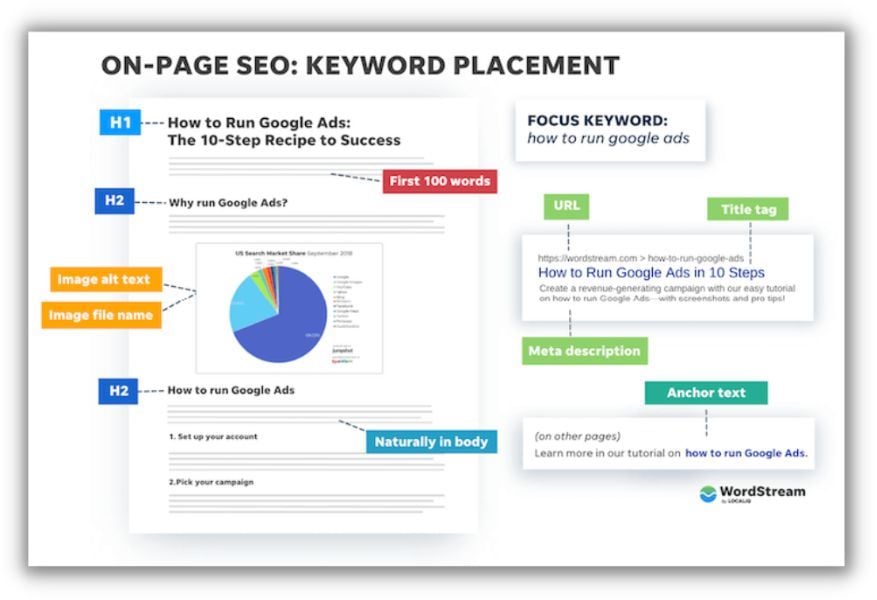
Keywords are the foundation of SEO, acting as the bridge between user intent and your content. However, it’s crucial to integrate them naturally rather than forcing them into your text. Strategic keyword placement involves identifying relevant terms through research tools like Google Keyword Planner or Semrush’s Keyword Magic Tool. These tools help you uncover high-potential keywords based on search volume, competition, and relevance.
Once you’ve identified your target keywords, ensure they appear in key areas such as the title, headings, and body content. But remember, overstuffing your content with keywords can lead to penalties from search engines. Instead, focus on creating valuable, user-centric content that aligns with the intent behind the keywords. Always check the top-ranking pages for similar queries to understand what users are looking for and tailor your content accordingly.
2. Write Unique Title Tags for Each Page
Your title tag is one of the most important elements of on-page SEO. It serves as the first impression for users and search engines alike. A well-crafted title tag should be concise, include your primary keyword near the beginning, and accurately reflect the content of the page.
For example, if your page is about “mobile SEO,” your title tag might be “Mobile SEO Tips for 2025 | Boost Your Rankings.” Keeping your title under 60 characters ensures it doesn’t get truncated in search results. Additionally, using unique title tags for each page helps avoid duplicate content issues and improves your chances of ranking higher.
Tools like Yoast SEO provide an “SEO title” field to help you craft optimized titles. By focusing on clarity and relevance, you can increase click-through rates and improve your site’s overall performance.
3. Use Heading Tags Correctly
HTML heading tags (H1, H2, H3, etc.) are essential for organizing your content and signaling its structure to search engines. Every page should have one H1 tag that corresponds to the main title of the page. Subheadings (H2, H3) help break up long content into digestible sections, making it easier for both users and search engines to navigate.
Proper use of heading tags also enhances accessibility for screen readers and other assistive technologies. For instance, if you’re writing a blog post about “content marketing strategies,” your H1 might be “Content Marketing Strategies for 2025,” followed by H2 tags like “Understanding Your Audience” and “Creating Valuable Content.”
By following a hierarchical structure, you not only improve readability but also signal to search engines that your content is well-organized and relevant.
4. Submit an XML Sitemap to Google
An XML sitemap is a file that lists all the pages on your website, helping search engines crawl and index them efficiently. Submitting your sitemap to Google via Google Search Console ensures that your content is discoverable and visible in search results.
Most modern content management systems (CMS), like WordPress, automatically generate sitemaps. If yours doesn’t, consider using a sitemap generator tool. When creating your sitemap, make sure it includes all pages you want indexed and excludes any that shouldn’t be crawled, such as staging sites or order confirmation pages.
Regularly updating your sitemap helps search engines stay informed about new or updated content, improving your chances of appearing in search results.
5. Add Internal Links Between Pages
Internal linking is a powerful SEO practice that helps users and search engines navigate your website more effectively. By linking related pages, you create a logical flow that enhances user experience and distributes link equity across your site.
When adding internal links, use descriptive anchor text that clearly indicates the destination page’s content. For example, instead of using “click here,” opt for “learn more about mobile SEO.” This not only improves usability but also helps search engines understand the context of the linked page.
Additionally, internal links can boost the visibility of underperforming pages by directing traffic and authority to them. Make sure to use absolute URLs rather than relative ones for better SEO performance.
6. Build Backlinks to Your Site
Backlinks remain one of the most influential ranking factors in SEO. High-quality backlinks from authoritative and relevant websites signal to search engines that your content is trustworthy and valuable.
To build backlinks, focus on creating content that others will want to reference. Techniques like guest posting, broken link building, and content promotion can help you earn natural links. Tools like Backlink Analytics can identify opportunities to replace broken links on competitor sites with your own content.
Avoid manipulative tactics like buying backlinks, as these can harm your site’s reputation and rankings. Instead, prioritize building relationships with industry influencers and contributing to reputable publications.
7. Optimize Images for SEO
Images play a significant role in user engagement and can also impact your site’s SEO. To optimize images, start by compressing them to reduce load times without sacrificing quality. Tools like Kraken.io or TinyPNG can help you achieve this.
Next, use descriptive filenames and alt text to provide context for search engines. For example, instead of naming an image “image1.jpg,” use “best-seo-tips-2025.jpg.” Alt text should describe the image’s content and include relevant keywords where appropriate.
By optimizing your images, you not only improve your site’s performance but also increase the chances of appearing in Google Images and rich snippets.
8. Publish Helpful Content for Your Audience
Creating helpful, original content is one of the most effective ways to improve your SEO. Focus on addressing the needs and interests of your target audience, providing value that sets your content apart from competitors.
Ensure your content is well-researched, accurate, and easy to read. Avoid low-quality or generic posts that fail to engage users. Instead, aim for comprehensive guides, tutorials, and case studies that offer actionable insights.
Google rewards content that satisfies user intent, so always consider what your audience is searching for and how your content can meet those needs. Regularly audit your content to remove or update anything that doesn’t align with your goals.
9. Deliver a Great User Experience
User experience (UX) is a critical factor in SEO, as search engines prioritize sites that provide a positive browsing experience. Ensure your website is fast, mobile-friendly, and easy to navigate.
Optimize your site’s loading speed by compressing images, leveraging browser caching, and minimizing code. Implement a responsive design to ensure your site looks great on all devices. Avoid intrusive pop-ups and ads that disrupt the user journey.
A seamless UX not only improves your rankings but also increases user satisfaction and encourages repeat visits. Tools like Google’s PageSpeed Insights and Lighthouse can help you identify and fix performance issues.
10. Conduct a Technical SEO Audit
Regular technical SEO audits are essential for maintaining a healthy website. Use tools like Semrush’s Site Audit or Screaming Frog to identify and resolve issues such as broken links, crawl errors, and duplicate content.
Technical SEO audits also help you stay compliant with Google’s guidelines and ensure your site is accessible to both users and search engines. Addressing technical issues promptly can prevent penalties and improve your site’s overall performance.
By following these 10 essential SEO best practices, you can significantly enhance your website’s visibility, user experience, and long-term success in the competitive digital landscape. Stay informed, adapt to changes, and consistently refine your strategies to stay ahead of the curve.


Comments
Post a Comment