How to Get Your Website on the First Page of Google: A Comprehensive Guide for U.S. Businesses
In the words of Ricky Bobby, “If you ain’t first, you’re last.” This sentiment holds true in the digital world, where visibility is everything. For businesses in the United States, ranking on the first page of Google is not just a goal—it’s a necessity. With over 95% of users never visiting beyond the first page of search results, securing that top spot can make all the difference in driving traffic, generating leads, and increasing sales.
This article explores proven strategies to help your website rank on the first page of Google, tailored specifically for U.S. businesses. Whether you're a small local shop or a growing online enterprise, these tips will guide you toward better visibility and long-term success.
Why Ranking on the First Page Matters
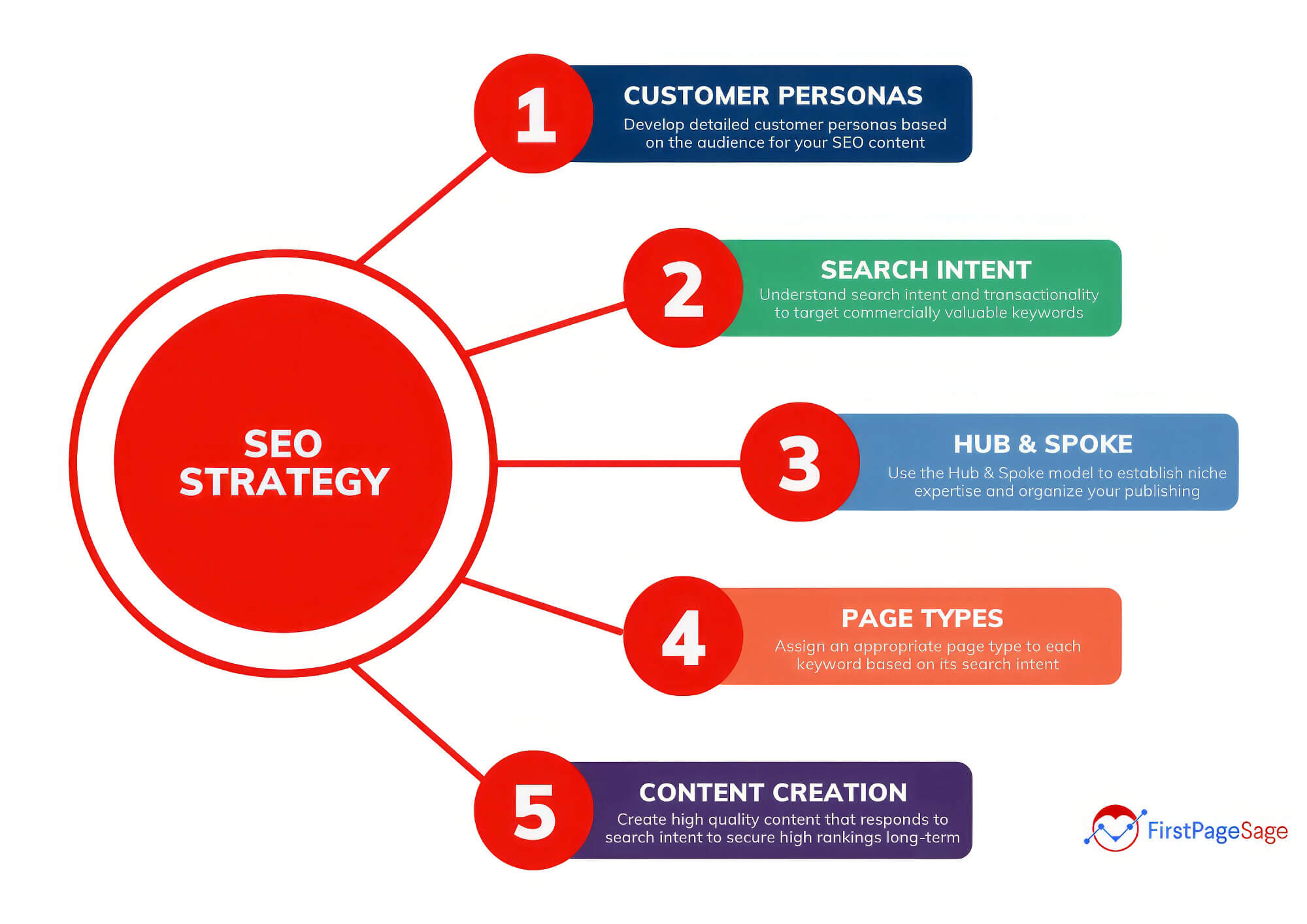
Google’s dominance as the leading search engine means that appearing on the first page is critical for any business looking to reach its target audience. The first page of Google receives the vast majority of organic traffic, making it the ultimate battleground for online visibility. If your website isn’t there, you’re missing out on a significant portion of potential customers.
Here are some key benefits of ranking on the first page:
- Increased Brand Visibility: Being seen at the top of search results enhances your brand's credibility and recognition.
- More Organic Traffic: Higher rankings mean more people finding your site through natural search.
- Higher Conversion Rates: Users who land on your site from the first page are often more engaged and ready to take action, whether that’s making a purchase, signing up for a newsletter, or contacting your business.
Key Strategies to Rank on the First Page of Google
1. Conduct Regular SEO Audits
SEO audits are essential for identifying issues that may be holding your website back. These audits involve reviewing your site’s technical performance, content quality, and overall structure. Tools like Screaming Frog and SEO.com’s free checker can help pinpoint problems such as broken links, slow load times, or missing meta tags.
Regular audits allow you to fix issues before they negatively impact your rankings. They also help uncover opportunities to improve your site’s performance and user experience.
2. Target Long-Tail Keywords
Long-tail keywords are specific, multi-word phrases that target niche audiences. While they may have lower search volume than broader terms, they often lead to higher conversion rates because they reflect the intent of users who are closer to making a purchase or taking action.
For example, instead of targeting “shoes,” focus on “Nike men’s basketball shoes” or “best running shoes for beginners.” These phrases are more likely to attract users with a clear intent, improving both traffic and engagement.
3. Follow SEO Best Practices
Optimizing your website for search engines involves more than just keyword placement. It includes ensuring your content is crawlable, using proper title tags and meta descriptions, and formatting your content for easy reading. Other best practices include compressing images, using schema markup, and enhancing user experience (UX) by making your site mobile-friendly.
By following these guidelines, you create a website that is both user-friendly and search engine-friendly, which can significantly boost your rankings.
4. Produce Helpful and Valuable Content
Google prioritizes content that provides real value to users. This means creating content that answers questions, solves problems, and offers unique insights. Whether it’s blog posts, videos, or infographics, your content should be informative and engaging.
To stand out, consider incorporating personal anecdotes, expert interviews, or data-driven insights. This not only adds credibility but also helps your content resonate with your audience.
5. Develop Shareable Resources
Backlinks remain one of the most important ranking factors for Google. To build a strong backlink profile, focus on creating shareable resources such as interactive tools, industry reports, or case studies. These types of content are more likely to be cited by other websites, boosting your authority and visibility.
Additionally, reaching out to relevant websites and offering to replace broken links with your content can also help generate high-quality backlinks.
6. Claim Your Google Business Profile
For local businesses, claiming a Google Business Profile (GBP) is crucial for appearing in local search results. This free tool allows you to manage your business’s online presence across Google Search and Maps. By optimizing your profile with accurate information, high-quality photos, and customer reviews, you increase your chances of being discovered by local users.
7. Use Google Ads for Immediate Visibility
While Google Ads won’t directly improve your organic rankings, they can provide immediate visibility for your business. Paid ads appear at the top of search results, giving you a chance to capture attention even if you haven’t yet reached the first page organically.
A well-optimized ad campaign can drive targeted traffic to your site, helping you gain valuable insights and test different strategies.
Additional Tips for Success
- Optimize for Mobile Devices: With over half of web traffic coming from mobile devices, ensuring your site is mobile-responsive is essential. Test your site on various devices to ensure it looks and functions well on all screen sizes.
- Improve Site Speed: Slow-loading pages can hurt your rankings and user experience. Compress images, use caching, and optimize code to keep your site fast.
- Use Internal Linking: Linking to other pages on your site helps users navigate and tells search engines about the structure of your content. Use descriptive anchor text to make it clear what each link represents.
- Monitor Performance: Tools like Google Search Console and Google Analytics allow you to track your website’s performance. Regularly review metrics such as impressions, clicks, and bounce rate to identify areas for improvement.
Final Thoughts
Ranking on the first page of Google is a powerful way to grow your business and connect with your audience. However, it’s a process that requires consistent effort, patience, and a deep understanding of your audience’s needs. By implementing the strategies outlined above, you can position your website for long-term success in the competitive world of search engines.
Remember, SEO is not a one-time task but an ongoing journey. Stay committed, adapt to changes, and always prioritize providing value to your users. With the right approach, your website can become a valuable asset that drives growth and delivers results.


Comments
Post a Comment