How Blockchain Will Revolutionize Financial Services in the United States
How blockchain technology is reshaping the financial landscape in the United States is a topic of growing interest among investors, technologists, and policymakers. As a decentralized digital ledger system, blockchain offers transparency, security, and efficiency that traditional financial systems have struggled to match. This innovation has the potential to disrupt everything from banking and investing to insurance and real estate transactions. With its ability to eliminate intermediaries and reduce fraud, blockchain is not just a buzzword—it's a fundamental shift in how financial services operate. The United States, home to some of the world's largest financial institutions and tech companies, is at the forefront of this transformation.
The Rise of Decentralized Finance (DeFi)
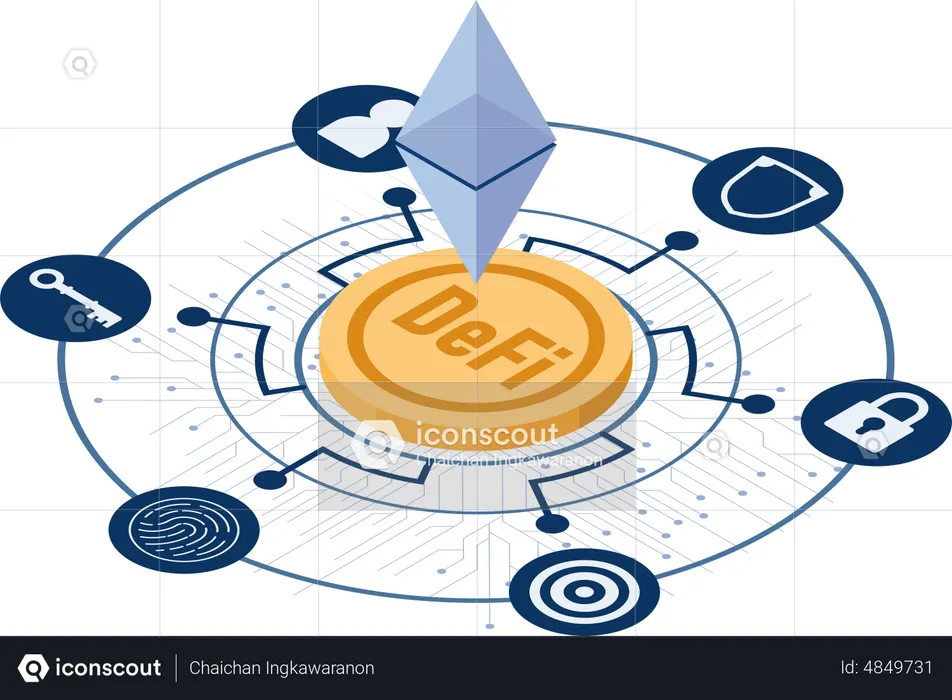
One of the most significant ways blockchain is revolutionizing financial services is through the rise of decentralized finance, or DeFi. Unlike traditional banking systems that rely on centralized authorities like banks or governments, DeFi platforms use smart contracts—self-executing agreements with the terms of the contract directly written into code. These platforms allow users to lend, borrow, and trade assets without the need for a middleman. In the U.S., DeFi has gained traction as more individuals seek alternatives to conventional financial services, especially those who are unbanked or underbanked. By offering lower fees and faster transaction times, DeFi is challenging the status quo and expanding access to financial tools for millions of Americans.
Enhancing Security and Reducing Fraud
Another key benefit of blockchain in the financial sector is its ability to enhance security and reduce fraud. Traditional financial systems are vulnerable to hacking, data breaches, and fraudulent activities due to their centralized nature. Blockchain, however, uses cryptographic techniques to secure transactions and ensure data integrity. Each block in the chain contains a unique hash, making it nearly impossible to alter past transactions without detection. This level of security is particularly valuable in industries like banking, where the cost of fraud can be staggering. Financial institutions in the U.S. are beginning to adopt blockchain to protect sensitive customer data and prevent unauthorized access.
Streamlining Cross-Border Transactions
Cross-border transactions have long been plagued by high fees, slow processing times, and complex regulatory requirements. Blockchain technology is addressing these challenges by enabling faster, cheaper, and more transparent international transfers. Unlike traditional methods that require multiple intermediaries and currency conversions, blockchain allows for direct peer-to-peer transactions across borders. This is especially beneficial for businesses and individuals engaged in global trade, as it reduces the time and cost associated with sending money abroad. Several U.S.-based fintech companies are already leveraging blockchain to facilitate seamless cross-border payments, signaling a shift toward a more interconnected financial ecosystem.
Impact on the Banking Sector
The banking sector in the U.S. is one of the most affected by the rise of blockchain technology. While banks have traditionally relied on centralized systems, they are now exploring blockchain solutions to improve operational efficiency and customer experience. For example, many banks are using blockchain for settlement processes, which typically take days to complete. With blockchain, settlements can be executed almost instantly, reducing counterparty risk and improving liquidity. Additionally, blockchain is being used to streamline Know Your Customer (KYC) and Anti-Money Laundering (AML) procedures, making compliance more efficient and less costly. As a result, banks that embrace blockchain are better positioned to compete in an increasingly digital financial landscape.
The Role of Regulatory Frameworks
While blockchain offers numerous benefits, its widespread adoption in the U.S. depends on the development of clear and supportive regulatory frameworks. Currently, the regulatory environment for blockchain and cryptocurrencies is still evolving, with different federal and state agencies issuing varying guidelines. The Securities and Exchange Commission (SEC), for instance, has been cautious in regulating initial coin offerings (ICOs) and other blockchain-based investments. However, there is growing recognition among policymakers that blockchain has the potential to drive economic growth and innovation. As a result, efforts are underway to create a balanced regulatory approach that fosters innovation while protecting consumers and maintaining financial stability.
Future Prospects and Challenges
Looking ahead, the future of blockchain in the U.S. financial services industry appears promising, but it is not without challenges. One of the main hurdles is scalability—blockchain networks must handle a growing number of transactions without compromising speed or security. Additionally, there are concerns about energy consumption, particularly with proof-of-work blockchains like Bitcoin. However, advancements such as proof-of-stake mechanisms and layer-2 solutions are addressing these issues, making blockchain more sustainable and efficient. As the technology continues to mature, its impact on the financial sector is expected to grow, paving the way for a more inclusive, secure, and efficient financial system.
Conclusion
Blockchain technology is poised to revolutionize financial services in the United States by enhancing security, reducing costs, and increasing efficiency. From decentralized finance to cross-border transactions, the applications of blockchain are vast and varied. While challenges remain, the potential benefits are undeniable, and the U.S. is well-positioned to lead the way in this transformative journey. As more businesses and consumers embrace blockchain, the financial landscape will continue to evolve, creating new opportunities for innovation and growth.


Comments
Post a Comment