How Blockchain Technology is Revolutionizing the Future of Business in the United States
Blockchain technology is rapidly transforming the business landscape in the United States, offering innovative solutions that enhance transparency, security, and efficiency across various industries. As a decentralized digital ledger system, blockchain enables secure and tamper-proof record-keeping, making it an attractive option for businesses looking to streamline operations and reduce fraud. From finance to supply chain management, the impact of blockchain is becoming increasingly evident, with companies adopting this technology to gain a competitive edge in the market.
The Rise of Decentralized Finance (DeFi)
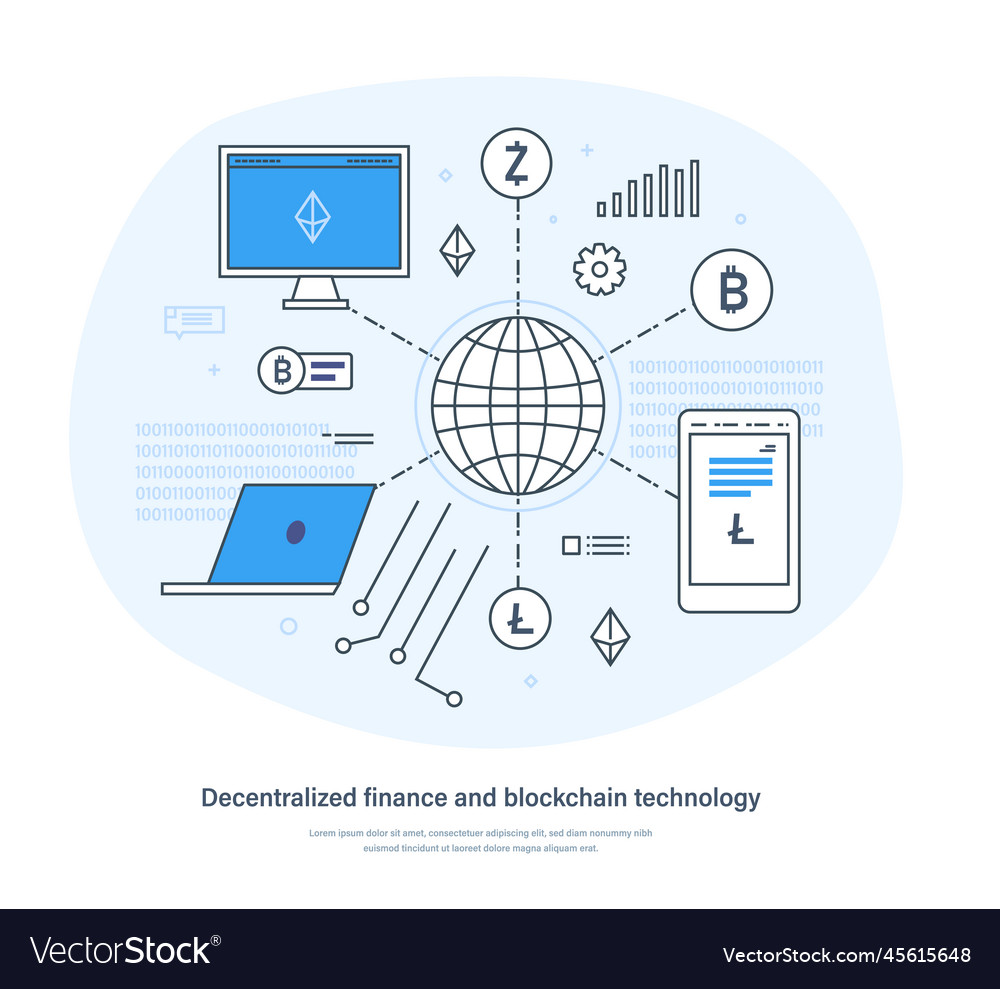
One of the most significant areas where blockchain is revolutionizing business is in the realm of decentralized finance, or DeFi. Traditional financial systems often rely on intermediaries such as banks and brokers, which can lead to higher costs and slower transaction times. Blockchain technology eliminates the need for these middlemen by enabling peer-to-peer transactions through smart contracts. These self-executing contracts automatically enforce the terms of an agreement, reducing the risk of human error and increasing efficiency. In the United States, DeFi platforms are gaining traction, allowing individuals and businesses to access financial services without the need for traditional banking infrastructure. This shift is particularly beneficial for small businesses and entrepreneurs who may face challenges in obtaining loans or other financial products through conventional channels.
Enhancing Supply Chain Transparency
Another area where blockchain is making a profound impact is in supply chain management. The complexity of modern supply chains, especially in global trade, often leads to issues such as counterfeiting, delays, and lack of visibility. By implementing blockchain, companies can create a transparent and immutable record of every transaction, from the sourcing of raw materials to the delivery of finished products. This level of transparency not only helps in verifying the authenticity of goods but also allows businesses to track the movement of products in real-time. For example, in the food industry, blockchain can be used to trace the origin of ingredients, ensuring that they meet quality and safety standards. This capability is particularly valuable in the United States, where consumers are increasingly concerned about the ethical and environmental implications of their purchases.
Streamlining Business Operations
Beyond finance and supply chain management, blockchain is also being utilized to streamline various business operations. One of the key benefits of blockchain is its ability to automate processes through the use of smart contracts. These contracts can be programmed to execute actions automatically when certain conditions are met, reducing the need for manual intervention and minimizing the potential for errors. For instance, in the real estate sector, blockchain can be used to facilitate property transactions by automating the transfer of ownership and ensuring that all legal requirements are met. This not only speeds up the process but also reduces the risk of disputes and fraud. Additionally, blockchain can be used to manage digital identities, providing a secure and efficient way for businesses to verify the identity of their customers and employees.
Addressing Security and Privacy Concerns
As with any emerging technology, the adoption of blockchain comes with its own set of challenges, particularly in terms of security and privacy. While blockchain is inherently secure due to its decentralized nature, the increasing number of cyber threats poses a risk to businesses that rely on this technology. To mitigate these risks, companies must implement robust security measures, such as encryption and multi-factor authentication, to protect their data and transactions. Furthermore, the issue of privacy remains a concern, as the transparency of blockchain can sometimes conflict with the need for confidentiality. To address this, some businesses are exploring the use of private or permissioned blockchains, which allow for greater control over who can access and modify the data.
The Future of Business in the United States
Looking ahead, the continued evolution of blockchain technology is expected to have a lasting impact on the future of business in the United States. As more companies adopt this technology, we can anticipate a shift towards more efficient, transparent, and secure business practices. The integration of blockchain with other emerging technologies, such as artificial intelligence and the Internet of Things (IoT), is also expected to unlock new possibilities for innovation and growth. For instance, combining blockchain with IoT devices can enable real-time tracking and monitoring of assets, further enhancing supply chain efficiency. Additionally, the development of blockchain-based platforms for voting, healthcare, and intellectual property management could lead to significant improvements in these sectors.
In conclusion, blockchain technology is undeniably reshaping the business landscape in the United States. Its ability to enhance transparency, security, and efficiency has made it a valuable tool for businesses across various industries. As the technology continues to evolve, it is likely to play an even more prominent role in driving innovation and economic growth. For businesses looking to stay ahead in an increasingly competitive market, embracing blockchain technology is no longer just an option—it is a necessity.


Comments
Post a Comment