How Artificial Intelligence is Transforming the Future of Business in the United States
Artificial Intelligence (AI) is rapidly reshaping the landscape of business operations across the United States, offering unprecedented opportunities for innovation, efficiency, and growth. From small startups to Fortune 500 companies, organizations are leveraging AI technologies to streamline processes, enhance decision-making, and gain a competitive edge in an increasingly digital world. This transformation is not just about automation; it's about redefining how businesses interact with customers, manage data, and drive strategic initiatives.
The Rise of AI in Business Operations
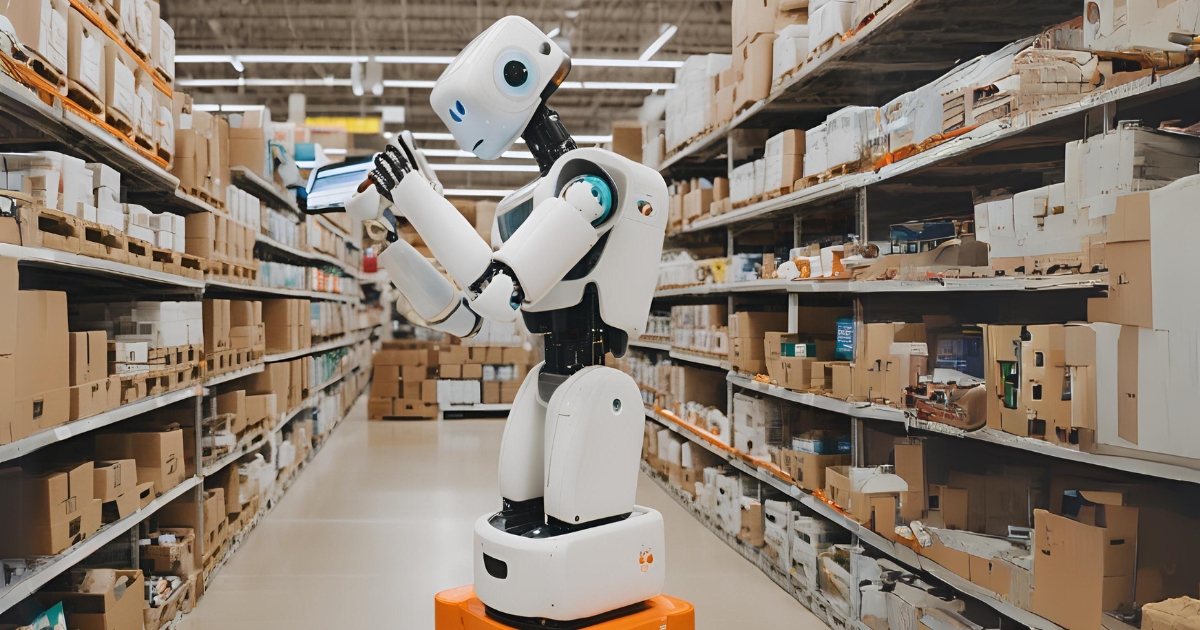
The integration of AI into business operations has been one of the most significant technological shifts in recent years. Machine learning algorithms, natural language processing, and computer vision are being deployed across various industries to improve productivity and reduce costs. For instance, in manufacturing, AI-powered predictive maintenance systems can analyze equipment data to anticipate failures before they occur, minimizing downtime and saving millions in repair costs. In the retail sector, AI-driven inventory management tools help businesses track stock levels in real-time, ensuring that products are always available when customers need them.
These advancements are not limited to large corporations. Small and medium-sized enterprises (SMEs) are also adopting AI solutions to level the playing field. Cloud-based AI platforms allow businesses to access sophisticated analytics and automation tools without the need for extensive in-house IT infrastructure. This democratization of AI is enabling even the smallest businesses to compete more effectively in the marketplace.
Enhancing Customer Experience Through AI
One of the most visible impacts of AI on business is its ability to personalize customer interactions. Chatbots, virtual assistants, and recommendation engines are now commonplace in online shopping, banking, and customer service. These AI-driven tools can handle routine inquiries, provide instant support, and even suggest products based on user behavior. As a result, businesses are able to offer a more seamless and tailored experience, leading to higher customer satisfaction and loyalty.
For example, banks are using AI to detect fraudulent transactions in real-time, while e-commerce platforms use AI to recommend products that align with a customer’s preferences. These applications not only improve the customer journey but also free up human employees to focus on more complex tasks that require critical thinking and emotional intelligence.
AI in Decision-Making and Strategic Planning
Beyond customer interactions, AI is revolutionizing how businesses make decisions. Advanced analytics and predictive modeling enable companies to forecast market trends, assess risks, and identify new opportunities with greater accuracy. By analyzing vast amounts of data from multiple sources, AI can uncover patterns and insights that might be missed by human analysts. This data-driven approach allows businesses to make informed decisions quickly, reducing uncertainty and increasing the likelihood of success.
In the healthcare industry, AI is being used to analyze patient data and assist doctors in diagnosing diseases. Similarly, in finance, AI algorithms are helping investors identify profitable investment opportunities by analyzing market conditions and historical data. These applications demonstrate how AI is not just enhancing operational efficiency but also driving strategic innovation across sectors.
Ethical Considerations and Challenges
While the benefits of AI in business are undeniable, there are also ethical considerations and challenges that must be addressed. Issues such as data privacy, algorithmic bias, and job displacement are at the forefront of discussions about AI adoption. Businesses must ensure that their AI systems are transparent, fair, and compliant with regulations to avoid potential backlash from consumers and regulators.
Moreover, as AI continues to automate tasks, there is a growing concern about the impact on employment. While some jobs may be replaced by AI, new roles are emerging that require skills in AI development, data analysis, and machine learning. Companies are investing in reskilling programs to prepare their workforce for this evolving landscape, ensuring that employees can adapt to new technologies and remain valuable assets to their organizations.
The Future of AI in U.S. Business
Looking ahead, the role of AI in U.S. business is expected to grow even further. As technology advances, we can anticipate more sophisticated AI applications that will continue to transform industries. From autonomous vehicles to smart cities, the possibilities are endless. However, the key to successful AI integration lies in balancing innovation with responsibility, ensuring that the benefits of AI are accessible to all while addressing the challenges it presents.
As businesses navigate this new era, those that embrace AI strategically will be better positioned to thrive in a rapidly changing global economy. By leveraging the power of artificial intelligence, U.S. companies can unlock new opportunities, drive sustainable growth, and shape the future of business in ways that were once unimaginable.


Comments
Post a Comment